


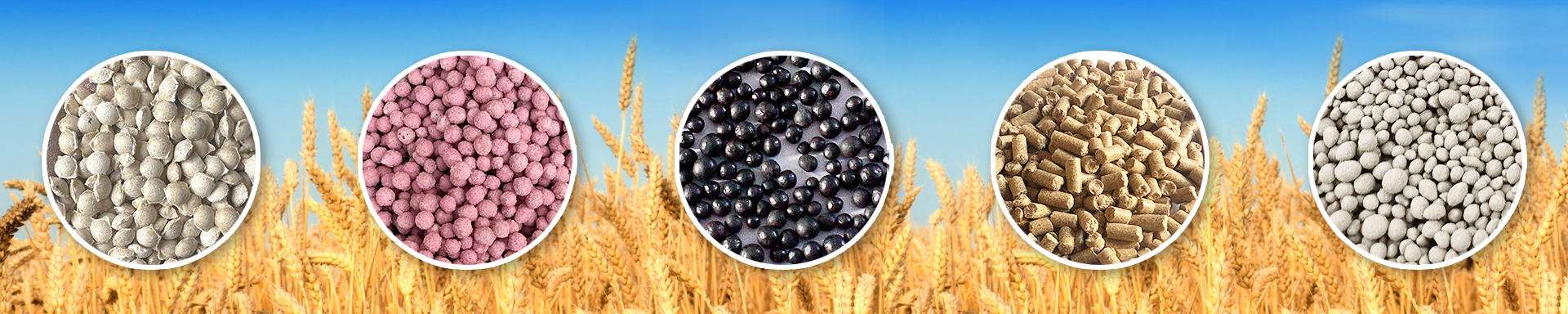
Cost Effective Inorganic Fertilizer Production Line for Industrial Use
Published on: 2026-04-25In the industrialization of modern agriculture, inorganic fertilizer plays an irreplaceable role in improving crop yield, supplementing soil nutrients, and ensuring food security. For industrial users such as chemical plants, agricultural product processing enterprises, and large-scale fertilizer manufacturers, a cost effective inorganic fertilizer production line for industrial use is the key to reducing production costs, improving production efficiency, and enhancing market competitiveness. Unlike ordinary production lines, the industrial-grade cost-effective inorganic fertilizer production line integrates advanced technology, stable equipment, and energy-saving processes, which can realize large-scale, standardized, and low-cost production of inorganic fertilizer. This article will detail the core characteristics, equipment configuration, production process, advantages, and selection criteria of the cost effective inorganic fertilizer production line for industrial use, providing a comprehensive and practical guide for industrial users looking for high-quality and affordable inorganic fertilizer making solutions.
Key Characteristics of Cost Effective Inorganic Fertilizer Production Line for Industrial Use
The cost effective inorganic fertilizer production line for industrial use is not only "affordable" but also "high-performance". It breaks the traditional misunderstanding that "low cost means low quality", and achieves a perfect balance between cost control and production efficiency, product quality, and industrial adaptability. Its core characteristics are mainly reflected in the following four aspects, which also meet the core needs of industrial users for production lines.
1. Cost Optimization: Low Investment and Low Operation Cost
Cost control is the core advantage of this type of production line. For industrial users, whether it is initial equipment investment or long-term operation cost, it has obvious advantages. In terms of equipment investment, the production line adopts a modular design, which can be flexibly configured according to the user's annual output (ranging from 10,000 tons to 600,000 tons), avoiding the waste of redundant equipment investment. At the same time, the core equipment adopts mature and cost-effective components, which reduces the initial investment cost by 20%-30% compared with high-end customized production lines. In terms of operation cost, the production line adopts energy-saving technology and equipment, such as frequency conversion motors, heat recovery systems, and low-consumption granulation technology, which can reduce energy consumption by 30%-40% per ton of products; the intelligent control system reduces manual intervention, saving 50%-60% of labor costs; the stable operation of equipment reduces maintenance frequency and maintenance costs, further reducing the overall operation burden of industrial users.
2. Industrial-Grade Stability: Adapt to Continuous High-Load Operation
Industrial production requires continuous and stable operation of equipment, and the cost effective inorganic fertilizer production line for industrial use is designed for high-load operation. The key equipment (such as crusher, granulator, dryer, etc.) adopts high-strength materials and advanced structural design, with strong wear resistance and corrosion resistance, which can adapt to 24-hour continuous operation, and the annual operation time can reach more than 300 days. The failure rate of the whole line is controlled below 5%, which effectively avoids production losses caused by equipment failure. At the same time, the production line has strong adaptability to industrial-grade raw materials, such as industrial by-products (phosphogypsum, ammonium sulfate by-products), chemical raw materials (urea, potassium chloride, phosphate rock), etc., which can process various raw materials stably, reducing the restriction of raw material supply on production.
3. High Efficiency and High Output: Meet Industrial Scale Production Needs
Industrial users have high requirements for production efficiency and output, and the cost effective inorganic fertilizer production line for industrial use can fully meet this demand. The production line adopts a continuous operation mode, integrating all processes from raw material pretreatment to finished product packaging, with a daily output of 50-200 tons, and the production efficiency is 25% higher than that of ordinary production lines. The granulation rate of the core granulation equipment is more than 90%, the drying speed is fast, and the finished product qualification rate is as high as 98%, which can realize large-scale production efficiently. In addition, the production line can be upgraded according to the user's development needs, and the output can be expanded without large-scale replacement of equipment, which has strong scalability and meets the long-term development needs of industrial users.
4. Compliance with Industrial Standards: High Product Quality and Environmental Protection
Cost-effectiveness does not mean sacrificing product quality and environmental protection. The cost effective inorganic fertilizer production line for industrial use strictly complies with national and international industrial standards. The finished inorganic fertilizer has stable nutrient content, uniform particle size, and good water solubility. The content of nitrogen, phosphorus, potassium and other nutrients can be adjusted according to industrial needs, which can meet the needs of different crops and soil types. In terms of environmental protection, the production line adopts closed production design, equipped with dust removal, deodorization, and wastewater treatment equipment, which can effectively control dust, exhaust gas, and wastewater emissions, meeting the industrial environmental protection emission standards. At the same time, the production process realizes the recycling of raw materials and waste, reducing environmental pollution and resource waste, which is in line with the development concept of industrial green production.
Core Equipment Configuration of Cost Effective Inorganic Fertilizer Production Line for Industrial Use
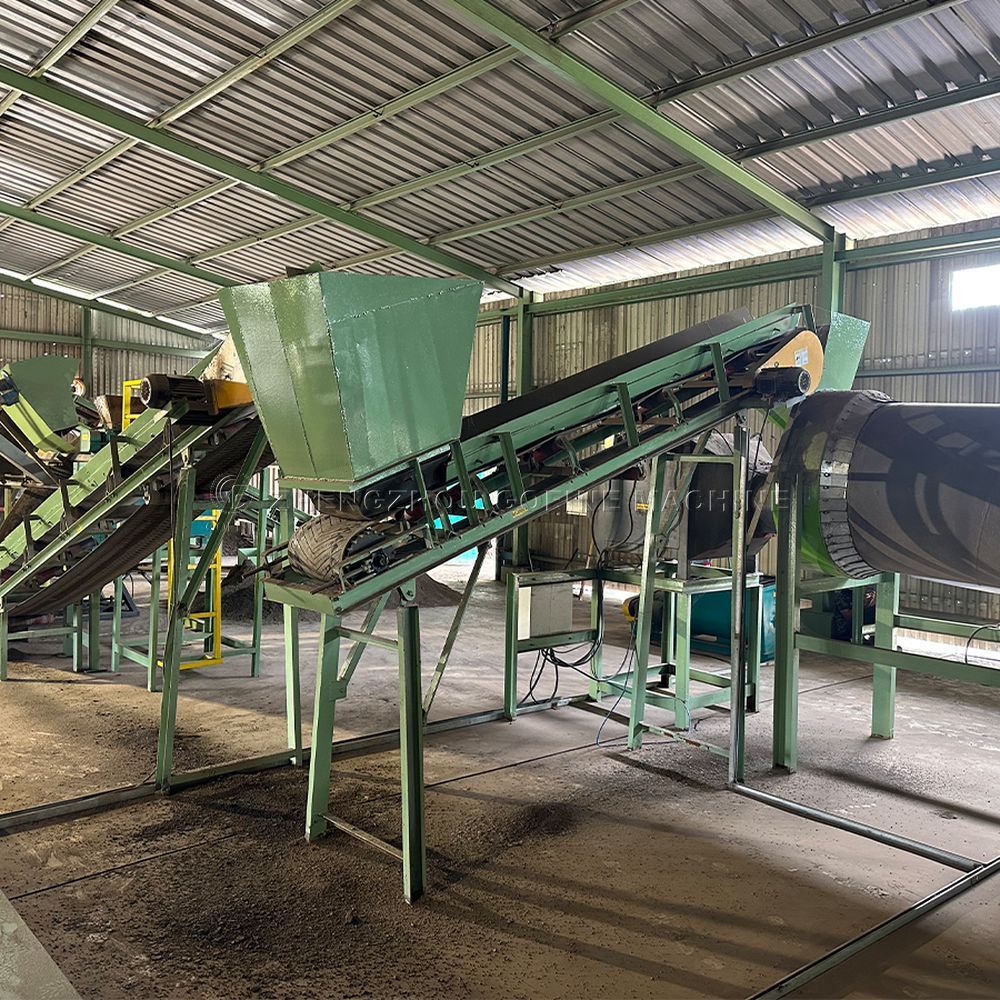
A complete cost effective inorganic fertilizer production line for industrial use is composed of multiple functional equipment modules. Each module undertakes a key link in the production process, and the reasonable matching of equipment directly affects the production efficiency, product quality, and cost control. According to the industrial production process, the core equipment configuration is mainly divided into six parts, which are reasonably matched to ensure the high efficiency and stability of the whole line, while controlling the equipment cost.
1. Raw Material Pretreatment System
The raw material pretreatment is the foundation of industrial inorganic fertilizer production, which directly affects the subsequent production efficiency and product quality. The core equipment of this system includes a crusher, screening machine, and mixer, all of which adopt cost-effective and high-efficiency models to reduce investment while ensuring performance. The crusher is used to crush large-particle raw materials (such as phosphate rock, potassium chloride, and industrial by-products) into particles with a diameter of 2-5mm, which is convenient for subsequent mixing and granulation. The screening machine is used to remove impurities such as stones and metals in the raw materials, ensuring the purity of the raw materials and avoiding damage to subsequent equipment. The mixer can fully mix different raw materials (such as nitrogen, phosphorus, potassium raw materials and additives) according to the formula ratio, ensuring the uniformity of nutrient distribution. The pretreatment system adopts a continuous feeding and discharging mode, which is compatible with the industrial continuous production rhythm.
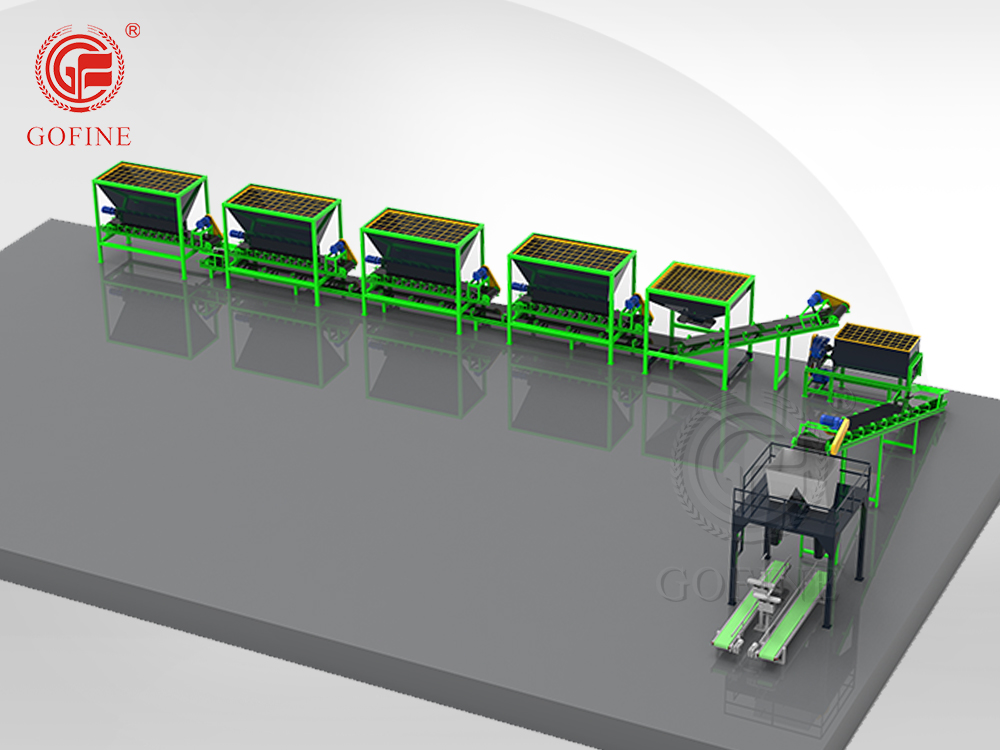
2. Batching and Mixing System
The batching and mixing link is the key to ensuring the uniform nutrient content of inorganic fertilizer. The cost effective production line adopts a semi-automatic or automatic batching system, which not only reduces manual error but also controls equipment cost. The core equipment includes a quantitative feeder and a high-efficiency mixer. The quantitative feeder can accurately control the feeding amount of each raw material according to the preset formula, with a batching accuracy of ±0.3%, ensuring the stability of product nutrient content. The mixer adopts a double-helix or horizontal mixing structure, with a mixing time of 5-8 minutes and a mixing uniformity of more than 95%, which can fully mix various raw materials and additives, avoiding local nutrient imbalance. For industrial users with large output demand, the system can be equipped with multiple mixers in parallel to improve mixing efficiency.
3. Granulation System
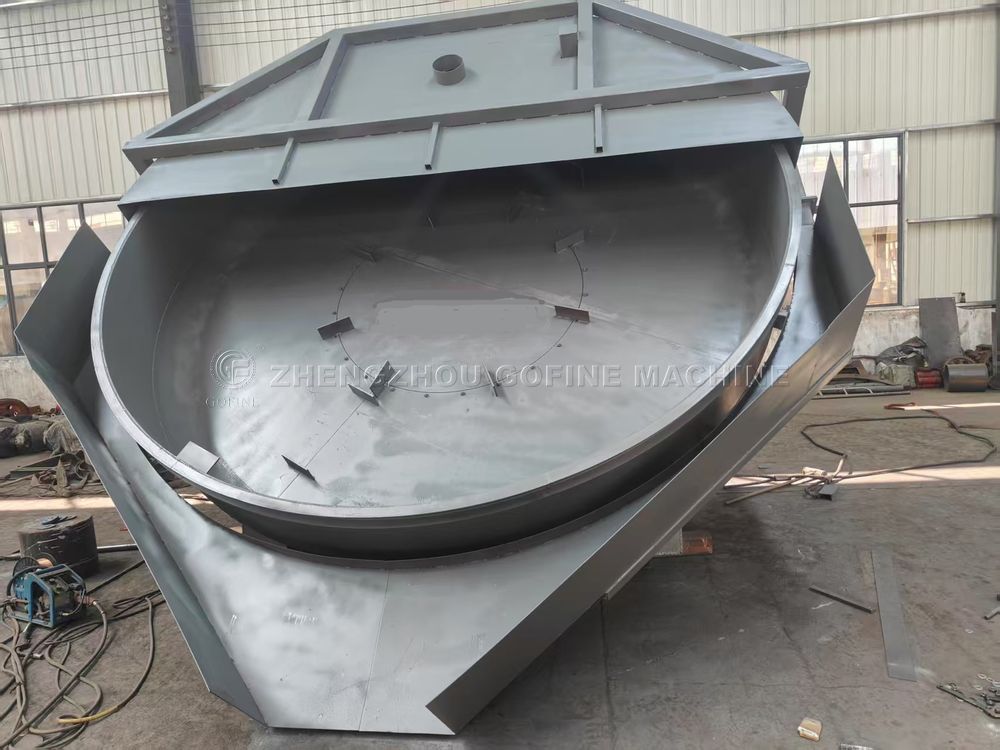
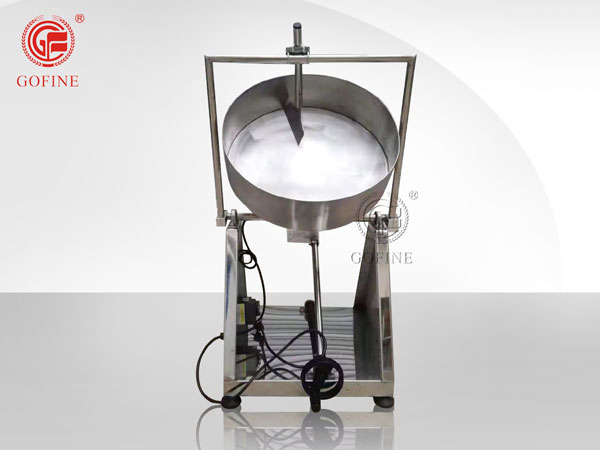
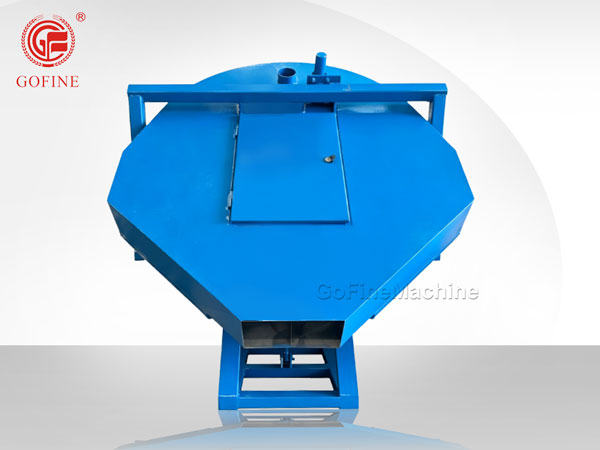
Granulation is the core link of inorganic fertilizer production, which directly determines the appearance, strength, and storage performance of finished products. The cost effective production line adopts mature and low-cost granulation equipment, mainly including disc granulator and roller granulator, which can be selected according to the user's product needs. The disc granulator has the advantages of simple structure, low cost, easy operation, and high granulation rate (more than 90%), which is suitable for small and medium-sized industrial users; the roller granulator has high production efficiency, strong particle strength, and no need for drying in some cases, which is suitable for large-scale industrial production. The granulation system is equipped with a return device, which can crush unqualified particles and re-granulate them, improving the utilization rate of raw materials and reducing waste.
4. Drying and Cooling System
After granulation, the inorganic fertilizer particles have high water content (about 20%-30%) and temperature, which need to be dried and cooled to meet the storage requirements. The cost effective production line adopts energy-saving drying and cooling equipment to reduce energy consumption while ensuring the drying effect. The dryer adopts a drum-type drying structure, which uses waste heat or low-cost heat sources (such as industrial waste heat) to dry the particles, reducing energy consumption by 30% compared with traditional dryers. The cooler adopts natural wind or forced cooling technology, which can quickly cool the dried particles to room temperature, avoiding moisture regain and结块 during storage. The drying and cooling system is connected with the dust removal equipment to collect the dust generated during the process, ensuring clean production.
5. Screening and Packaging System
The screening and packaging link is the last step of industrial production, which ensures the uniformity of finished products and facilitates storage and transportation. The core equipment includes a grading screen and an automatic packaging machine. The grading screen adopts a double-layer screen structure, which can separate unqualified particles (too large or too small) and return them to the granulation system for reprocessing, ensuring that the particle size of the finished product is uniform (2-4.75mm). The automatic packaging machine can realize automatic weighing, bagging, sealing, and conveying, with a packaging accuracy of ±0.1% and a packaging speed of 800-2000 bags per hour, which greatly improves packaging efficiency and reduces labor costs. Industrial users can choose different packaging specifications (25kg, 50kg, etc.) according to market needs, and the packaging machine can be flexibly adjusted.
6. Environmental Protection Supporting System
In line with the industrial environmental protection requirements, the cost effective production line is equipped with a simple and efficient environmental protection supporting system, which achieves environmental protection compliance at a low cost. The system includes a bag-type dust remover, cyclone dust remover, and wastewater collection and treatment device. The dust remover can collect more than 95% of the dust generated during production, preventing dust pollution; the wastewater collection and treatment device can treat the wastewater generated during the production process (such as cleaning water) and reuse it for irrigation or equipment cleaning, realizing zero wastewater discharge. The environmental protection system has low investment and operation costs, which can help industrial users avoid environmental protection risks such as fines and shutdowns.
Industrial Production Process of Cost Effective Inorganic Fertilizer
The cost effective inorganic fertilizer production line for industrial use adopts a streamlined and efficient production process, which not only reduces the number of process links and operation costs but also ensures the stability of product quality. The whole production process is continuous, automatic, and in line with the industrial production rhythm, which can be divided into six key steps, from raw material input to finished product delivery, forming a complete production closed loop.
Step 1: Raw Material Collection and Sorting
Collect industrial-grade raw materials such as chemical raw materials (urea, potassium chloride, phosphate rock), industrial by-products (phosphogypsum, ammonium sulfate by-products), and additives (binders, anti-caking agents). Sort the raw materials to remove large impurities such as stones, metals, and plastics, so as to avoid affecting the operation of equipment and the quality of finished products. Classify the raw materials according to their types and properties, which is convenient for subsequent batching and mixing. For industrial users, raw material collection can be combined with their own industrial by-products, which further reduces raw material costs.
Step 2: Pretreatment and Batching
Crush the sorted raw materials into small particles through a crusher, and screen them through a screening machine to obtain qualified raw materials. Then, transport the qualified raw materials to the batching system, and the quantitative feeder accurately feeds each raw material according to the preset formula (such as nitrogen-phosphorus-potassium ratio). The batching process is controlled by an intelligent system, which can adjust the formula flexibly according to the needs of different products, ensuring the diversity of products. This step lays a foundation for the uniform nutrient content of the finished product and meets the personalized needs of industrial production.
Step 3: Mixing and Granulation
Transport the batched raw materials to the mixer for full mixing, so that the nutrients and additives are evenly distributed. Then, transport the mixed raw materials to the granulator, and add an appropriate amount of water or binder to make the raw materials form uniform particles under the action of the granulator. The granulation process can be adjusted according to the type of granulator: the disc granulator forms particles through the rotation of the disc, and the roller granulator forms particles through high-pressure extrusion. The return system crushes the unqualified particles and sends them back to the granulator for re-granulation, improving the utilization rate of raw materials and reducing waste, which is in line with the cost control concept of industrial production.
Step 4: Drying and Cooling
Transport the granulated particles to the dryer, and use low-cost heat sources (such as industrial waste heat) to dry the particles, reducing the water content of the particles to below 15% (the standard storage water content). During the drying process, the temperature is strictly controlled to avoid nutrient loss caused by high temperature. After drying, the particles are transported to the cooler to cool to room temperature, which avoids moisture regain and结块 during storage and improves the storage stability of the finished product. The drying and cooling process adopts energy-saving technology, which further reduces the operation cost of industrial users.
Step 5: Screening and Quality Inspection
The dried and cooled particles are transported to the grading screen for screening, and the unqualified particles (too large or too small) are separated and returned to the granulation system for reprocessing. The qualified particles enter the quality inspection link, and the key indicators such as nutrient content, particle size, and water content are detected. Only the products that meet the industrial standards can enter the packaging link. The quality inspection link ensures the stability and qualification rate of the finished product, helping industrial users establish a good brand image and enhance market competitiveness.
Step 6: Automatic Packaging and Storage
The qualified particles after quality inspection are transported to the automatic packaging machine, which automatically weighs, bags, and seals them according to the preset packaging specifications. The packaged finished products are transported to the warehouse through a conveyor for storage. The warehouse should be kept dry, ventilated, and moisture-proof to avoid the finished products being affected by moisture and结块. For large-scale industrial users, the storage link can be equipped with an intelligent warehouse management system to realize real-time monitoring of inventory and improve storage efficiency. This step completes the whole industrial production process of inorganic fertilizer, which is efficient, standardized, and low-cost.
Why Industrial Users Choose Cost Effective Inorganic Fertilizer Production Line
For industrial users, the choice of production line is closely related to investment return, production efficiency, and market competitiveness. Compared with high-end customized production lines and ordinary low-cost production lines, the cost effective inorganic fertilizer production line for industrial use has obvious comprehensive advantages, which can bring more long-term benefits to industrial users and become the first choice for most industrial users.
1. Low Investment Risk and Quick Return on Investment
Industrial investment has high requirements for risk control and return on investment. The cost effective inorganic fertilizer production line has low initial investment, which can reduce the investment pressure of industrial users. At the same time, the production line has high production efficiency, stable product quality, and low operation cost, which can help industrial users quickly recover the investment cost. Generally speaking, the investment can be recovered within 1-2 years, which is much shorter than the return cycle of high-end production lines (3-5 years). For small and medium-sized industrial users with limited funds, it can effectively reduce investment risks and realize rapid profit.
2. Adapt to Diversified Industrial Production Needs
Industrial users have diversified needs for inorganic fertilizer products, such as different nutrient ratios, particle sizes, and packaging specifications. The cost effective inorganic fertilizer production line has strong flexibility, which can adjust the formula, granulation mode, and packaging specifications according to the user's needs, producing specialized inorganic fertilizer suitable for different crops, soil types, and market demands. For example, it can produce high-nitrogen fertilizer for food crops, high-phosphorus fertilizer for economic crops, and granular fertilizer for large-scale mechanical sowing, which can meet the diversified production needs of industrial users and expand the market scope. In addition, the production line can process various industrial by-products as raw materials, realizing the recycling of resources and further reducing production costs.
3. Reduce Operation Burden and Improve Production Efficiency
The cost effective production line adopts intelligent control and continuous operation mode, which greatly reduces manual intervention. The whole production process can be completed with only a few operators, saving a lot of labor costs. The stable operation of equipment reduces the frequency of maintenance and the cost of maintenance personnel, further reducing the operation burden of industrial users. At the same time, the high production efficiency and high finished product qualification rate of the production line can ensure the continuous supply of products, avoid the loss of orders caused by insufficient output, and improve the market competitiveness of industrial users. The energy-saving technology adopted by the production line also reduces the energy consumption cost, which is an important way for industrial users to reduce costs and increase efficiency.
4. Comply with Industrial Policies and Avoid Policy Risks
Nowadays, countries around the world pay more and more attention to industrial green production and environmental protection, and have put forward strict requirements for the production of inorganic fertilizer. The cost effective inorganic fertilizer production line for industrial use is equipped with a complete environmental protection system, which can meet the industrial environmental protection emission standards and avoid policy risks such as fines and shutdowns caused by environmental pollution. At the same time, the production line conforms to the national policy of promoting the recycling of industrial waste and the development of green agriculture, and can enjoy relevant policy support and subsidies, further reducing the production and operation costs of industrial users. This is crucial for industrial users to achieve long-term stable development.
How to Select a Cost Effective Inorganic Fertilizer Production Line for Industrial Use
There are many types of inorganic fertilizer production lines on the market, and the quality, performance, and price vary greatly. For industrial users, selecting a cost effective production line that is suitable for their own needs is the key to ensuring production efficiency and reducing costs. When selecting, we need to comprehensively consider the following five factors, avoid being misled by low prices, and choose products with high cost performance.
1. Clarify Own Production Needs and Scale
First of all, industrial users need to clarify their own annual output, product types (such as compound fertilizer, single-element fertilizer), and raw material types, so as to select a production line with matching configuration. For example, if the annual output is 100,000 tons, a medium-sized production line should be selected; if the main raw material is industrial by-products with high humidity, a production line with a high-efficiency drying system should be selected. Clarifying the production needs can avoid over-investment or insufficient production capacity, ensuring that the production line can meet its own production needs and achieve the best cost performance. At the same time, it is necessary to consider the future expansion needs and select a production line with strong scalability.
2. Evaluate Equipment Quality and Technical Maturity
The quality of equipment is the key to the stable operation of the production line. When selecting, we should focus on the quality of key equipment (such as granulator, dryer, quantitative feeder) and the maturity of technology. Priority should be given to equipment with mature technology, high wear resistance, and low failure rate, which can reduce maintenance costs and production losses. At the same time, understand the service life of the equipment and the supply of spare parts, to ensure that the equipment can operate stably for a long time. For industrial users, the stability of equipment is more important than the price, because frequent equipment failures will bring huge economic losses.
3. Pay Attention to Cost Control and Return on Investment
Cost-effectiveness is the core demand of industrial users. When selecting a production line, we should not only pay attention to the initial investment cost but also comprehensively consider the long-term operation cost (energy cost, labor cost, maintenance cost). Some production lines have low initial investment but high operation cost, which is not cost-effective in the long run. It is recommended to calculate the comprehensive cost per ton of products, and select a production line with low comprehensive cost and quick return on investment. At the same time, we can compare the quotes of multiple manufacturers, and choose products with reasonable prices and reliable quality. For industrial users with limited funds, we can also choose a modular production line, which can be added step by step according to the production needs, reducing the initial investment pressure.
4. Check Manufacturer's Qualifications and After-Sales Service
The manufacturer's qualifications and after-sales service directly affect the use effect of the production line. Priority should be given to manufacturers with formal qualifications, such as ISO9001 quality system certification, industrial production license, and relevant environmental protection certifications. At the same time, understand the manufacturer's production scale, R&D strength, and successful cases, especially the cases of industrial users with the same production scale and raw material types, which can more intuitively reflect the quality and performance of the production line. In addition, pay attention to the after-sales service system of the manufacturer, such as whether there is a 24-hour after-sales service hotline, whether there is a professional after-sales team, and the response time of after-sales service, to ensure that equipment failures can be solved in time, reducing production losses.
5. Consider Environmental Protection Performance and Policy Compliance
In the context of increasingly strict environmental protection policies, the environmental protection performance of the production line is an important factor that cannot be ignored. When selecting, we should check whether the production line is equipped with a complete environmental protection system, whether it can meet the industrial environmental protection emission standards, and avoid policy risks. At the same time, we can choose a production line that can use industrial waste heat and process industrial by-products, which not only conforms to the policy direction but also can further reduce production costs. For industrial users, environmental protection compliance is the premise of long-term stable production, and it is necessary to pay enough attention.
Conclusion
The cost effective inorganic fertilizer production line for industrial use is a perfect combination of cost control, production efficiency, product quality, and environmental protection, which is specially designed for industrial users. It can help industrial users reduce investment risks, lower production costs, improve production efficiency, and achieve sustainable development in the fierce market competition. With the continuous development of industrial agriculture and the increasing emphasis on green production, the demand for cost effective inorganic fertilizer production lines will continue to grow.
For industrial users such as chemical plants, agricultural product processing enterprises, and large-scale fertilizer manufacturers, choosing a suitable cost effective inorganic fertilizer production line is the key to realizing low-cost, large-scale, and standardized production of inorganic fertilizer. By clarifying their own production needs, evaluating equipment quality and cost performance, and selecting reliable manufacturers, industrial users can obtain a production line that meets their own needs, convert raw materials into high-value inorganic fertilizer, and achieve win-win economic and social benefits.
Related Content
Latest News
- Crawler Compost Turner: Remote Control & Cab Models | Factory Direct
- Stainless Steel Disc Granulator for Bentonite Cat Litter Production Line
- Heavy-Duty Pan Granulator: Unique Rotary Scraper Design for Maximum Disc Area Utilization
- Mobile Lab Mini Briquette Press: 5mm Explosion-Proof Roll Compactor for Chemical & Fertilizer R&
- Custom Bar-Type Double Roller Extrusion Granulator: High-Yield Production of Irregular Strip Granule
- Custom Double Roller Extrusion Granulator | Dust-Free Roller Compactor
- High-Capacity Rotary Drum Granulator: The Core Solution for NPK & Compound Fertilizer Production
- Compound Fertilizer Cage Crusher with Screw Feeder | Non-Clogging Crusher