


Disc Granulator vs. Roller Granulator: Selection Guide
Published on: 2026-07-29Choosing between a disc granulator and a double roller granulator dictates your facility’s layout, energy consumption, and equipment budget. While both convert powder into fertilizer, they rely on fundamentally different mechanisms: wet centrifugal agglomeration versus dry mechanical compaction.
Core Process & Material Suitability
Disc Granulator (Wet Agglomeration)
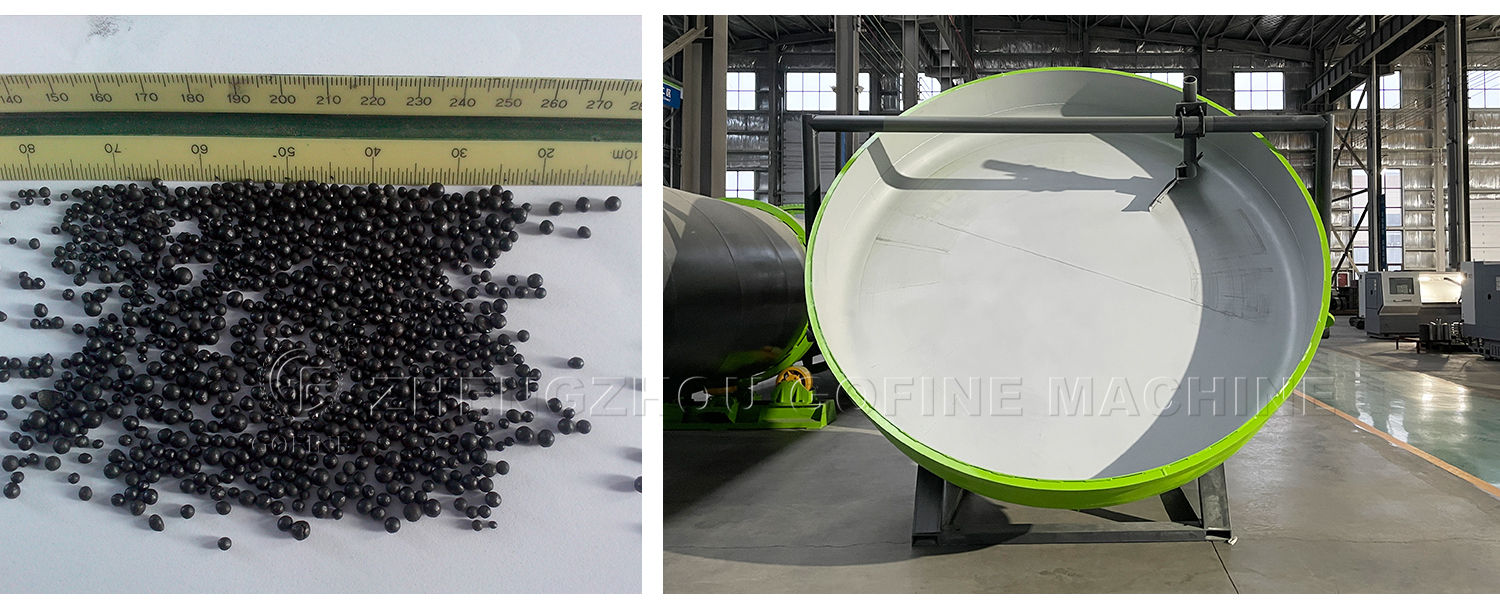
Mechanism: Spraying liquid mist onto rotating powder beds to roll fine particles into spherical pellets.
Line Requirement: Requires a rotary dryer and cooling drum to remove moisture and achieve final hardness.
Best For: Composted poultry/cow manure, bio-organic blends, humic acids, and sticky organic masses.
Double Roller Granulator (Dry Compaction)
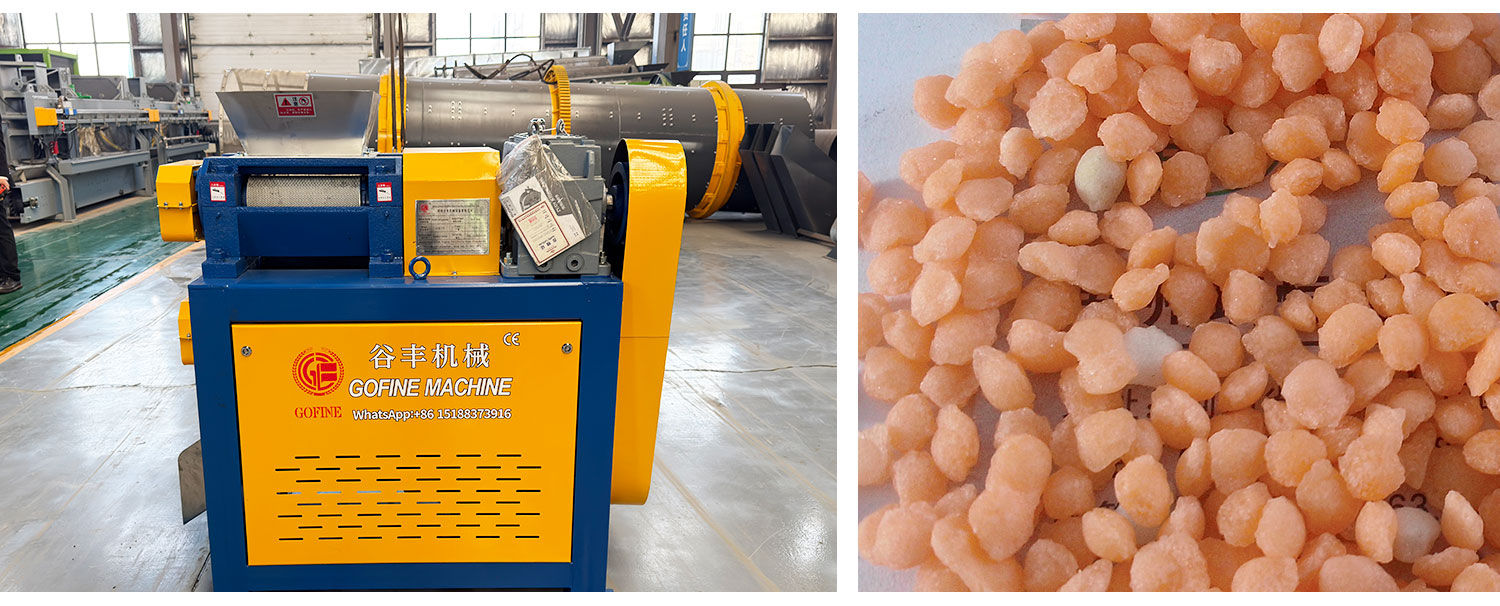
Mechanism: High-pressure rollers compress dry powder into hard sheets, which are immediately crushed into pellets.
Line Requirement: Requires zero added water, zero binders, and no thermal drying.
Best For: Heat-sensitive chemicals (ammonium nitrate, urea), NPK formulations, potassium chloride, and mineral powders (bentonite, gypsum).
Production Line & Operational Cost Comparison
Equipment Layout:
Disc Line: Mixer ➔ Disc Granulator ➔ Rotary Dryer ➔ Rotary Cooler ➔ Sizing Screen ➔ Packaging.
Roller Line: Mixer ➔ Elevator ➔ Double Roller Granulator (with Crusher) ➔ Sizing Screen ➔ Packaging.
CAPEX & OPEX:
Double roller lines eliminate rotary dryers and fuel burners, saving 40%–50% in operational energy costs and lowering initial workshop height requirements.
Pellet Appearance:
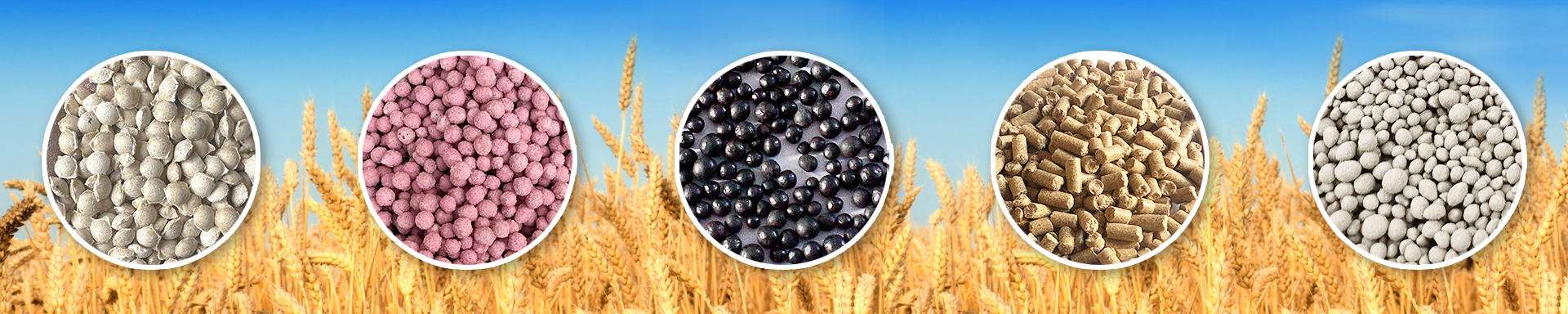
Disc granulators yield smooth, spherical granules ideal for premium retail packaging. Double roller units produce high-density oblate or pillow-shaped pellets for bulk agricultural spreading.
Frequently Asked Questions
Q: Is a double roller granulator cheaper to operate than a disc granulator line?
A: Yes. By eliminating fuel-burning dryers and cooling drums, a double roller press reduces daily operational energy consumption by 40% to 50%.
Q: Can I use a disc granulator for dry chemical fertilizer powders?
A: It is not recommended. Soluble or heat-sensitive chemical salts clump or degrade when sprayed with liquid mist on a disc. They are better suited for dry extrusion compaction.
Q: Which granulator produces rounder granules?
A: Disc granulators produce perfectly spherical granules. Double roller granulators form pillow-shaped or oblate pellets with high crush strength.
Q: What is the optimal moisture level for double roller compaction?
A: Input material moisture should be strictly maintained between 3% and 10% to prevent sticking.
Request Your Custom Blueprint
Need help matching your raw material formula with the right granulator? Contact Gofine technical team for material testing, process drawings, and direct factory quotes!
Related Content
Latest News
- Custom Bar-Type Double Roller Extrusion Granulator: High-Yield Production of Irregular Strip Granule
- Custom Double Roller Extrusion Granulator | Dust-Free Roller Compactor
- High-Capacity Rotary Drum Granulator: The Core Solution for NPK & Compound Fertilizer Production
- Compound Fertilizer Cage Crusher with Screw Feeder | Non-Clogging Crusher
- Fertilizer Granulator Machines: Transforming Compost Powder into Premium Pelleted Fertilizer
- Diesel Semi-Wet Material Crusher: Heavy-Duty Solution for High-Moisture Waste Grinding
- Heavy-Duty 2.5m Disc Granulator for Mineral Fertilizer
- Towed Compost Turner: Heavy-Duty Solution for High-Volume Organic Fertilizer Production