


Compost Turner Machine Maintenance Guide: Preventive Steps & Equipment Care
Published on: 2026-07-29To maintain maximum uptime and extend the operational lifespan of commercial organic fertilizer machinery, regular maintenance is essential. Daily exposure to highly corrosive livestock manure, high ambient humidity, and continuous mechanical torque can cause premature wear if equipment is neglected.
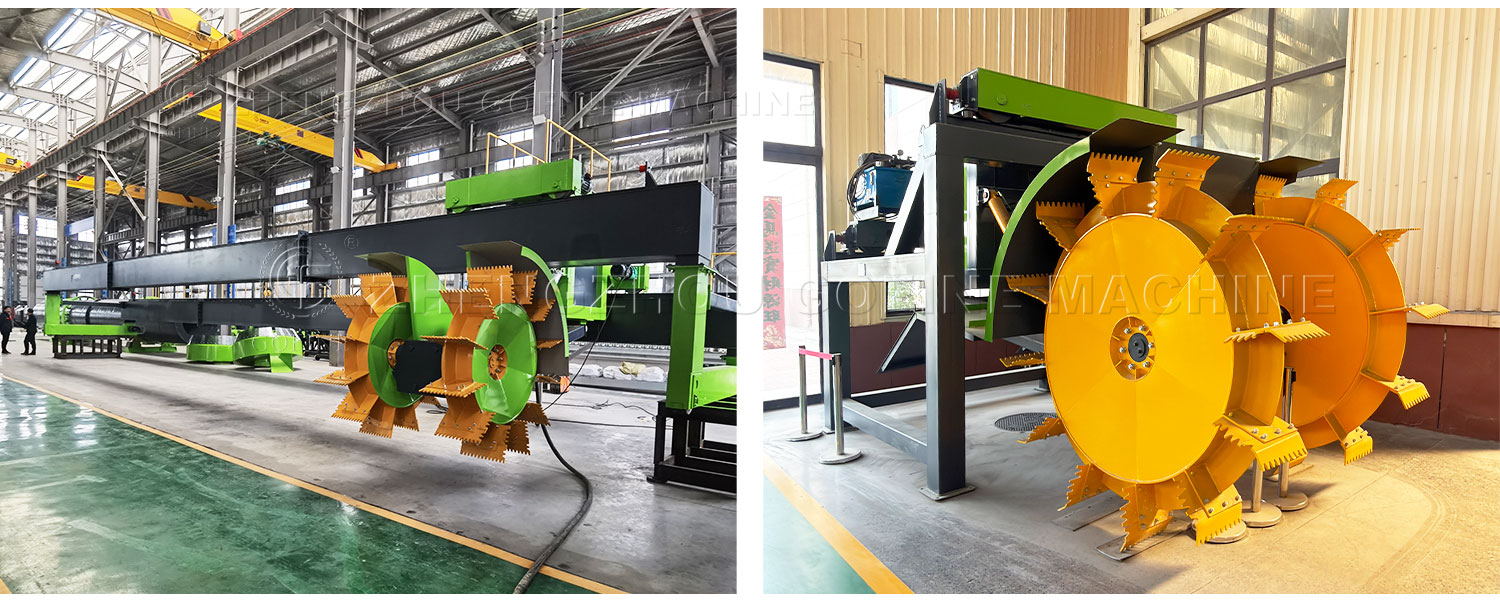
This practical preventive maintenance guide outlines the daily, weekly, and seasonal care protocols for Gofine compost turners (including self-propelled windrow turners and hydraulic groove-type turners).
Section 1: Daily Inspection Protocols (Before & After Operation)
Performing quick visual checks before starting each turning cycle prevents minor wear issues from escalating into costly equipment downtime.
-
Pre-Start Inspection Checklist
Hydraulic Fluid Levels: Check the sight glass on the hydraulic tank to ensure fluid is at the optimal operating level. Low hydraulic oil causes pump cavitation and overheating.
Engine Oil & Coolant: Inspect diesel engine oil levels, air filter indicators, and coolant levels. Clean high-dust pre-filters before daily operation.
Turning Drum & Blades: Inspect the rotor shaft for tangled wires, ropes, or long agricultural fibers. Check for loose, cracked, or missing alloy turning blades.
Fasteners & Bolts: Check heavy-vibration zones—especially blade mounting bolts, bearing houses, and frame couplers—and tighten any loosened hardware.
-
Post-Operation Cleaning Protocol
Material Washdown: Animal manure contains aggressive organic acids. Wash down the turning drum, lower chassis, and track/wheel assemblies after work shifts to prevent corrosion.
Air Intake Clearing: Blow compressed air through radiator fins and engine air intakes to clear fine organic compost dust.
Section 2: Weekly & Monthly Lubrication & Mechanical Care
Consistent lubrication and component alignment are critical to protecting heavy-duty drive components from abrasive dust contamination.
1. Bearing & Shaft Lubrication
Grease Points: Apply high-temperature, water-resistant lithium grease to all main rotor bearings, hydraulic cylinder pivot pins, and transfer cart wheel axles every 40–50 operating hours.
Seal Inspection: Ensure grease seals are intact. Pushing fresh grease into fittings helps flush out fine grit and compost dust.
2. Drive Chain & Belt Tensioning
V-Belts & Roller Chains: Inspect belt tension between the engine/motor and the turning drum gearbox. Adjust eccentric tensioners if slop or slippage occurs during heavy load engagement.
Chain Lubrication: For chain-driven or groove-rail systems, inspect drive chain links for stretch, apply heavy-duty chain lube, and remove built-up organic debris from guide tracks.
3. Hydraulic System Maintenance
Hose & Fitting Check: Inspect high-pressure hydraulic lines for swelling, chafing, or pinhole leaks near cylinder joints.
Filter Replacements: Change hydraulic return filters after the initial 100-hour break-in period, and every 500 operating hours thereafter.
Section 3: Wear Component Replacement Guidelines
Replacing consumable wear parts on schedule maintains machine balance and thermal composting performance.
Alloy Turning Blades: As blade tips wear down, turning efficiency drops and strain on the engine or drive motor increases. Replace worn blades in balanced pairs or sets to prevent rotor vibration and shaft damage.
Rubber Tires / Steel Crawler Tracks: Check tire pressure on wheel-type turners weekly. For crawler-type machines, monitor track tension and roller wear to prevent track derailment on uneven compost pads.
Gearbox Oil Service: Drain and replace industrial gear oil in primary drive gearboxes according to manufacturer service intervals (typically every 1,000 operating hours or seasonally).
Section 4: Seasonal Storage & Anti-Corrosion Protection
If your organic fertilizer plant operates seasonally or shuts down during harsh winter conditions, proper mothballing protects equipment integrity:
Thorough Decontamination: Pressure-wash all manure residues from the frame, turning chamber, and hydraulic cylinders.
Anti-Rust Coating: Apply protective grease or rust-inhibitor spray to unpainted steel surfaces, exposed hydraulic cylinder rams, and turning blade edges.
Battery & Fluid Care: Disconnect or trickle-charge engine batteries, top off fuel tanks with stabilizer, and store the machine under shelter or a weather-proof cover.
Order Genuine Replacement Parts & Blueprints
Need replacement alloy turning blades, hydraulic seal kits, or a customized maintenance manual for your Gofine compost turner? Our technical service team stocks direct-factory spare parts to keep your bio-organic fertilizer processing line running smoothly.
Related Content
Latest News
- Custom Bar-Type Double Roller Extrusion Granulator: High-Yield Production of Irregular Strip Granule
- Custom Double Roller Extrusion Granulator | Dust-Free Roller Compactor
- High-Capacity Rotary Drum Granulator: The Core Solution for NPK & Compound Fertilizer Production
- Compound Fertilizer Cage Crusher with Screw Feeder | Non-Clogging Crusher
- Fertilizer Granulator Machines: Transforming Compost Powder into Premium Pelleted Fertilizer
- Diesel Semi-Wet Material Crusher: Heavy-Duty Solution for High-Moisture Waste Grinding
- Heavy-Duty 2.5m Disc Granulator for Mineral Fertilizer
- Towed Compost Turner: Heavy-Duty Solution for High-Volume Organic Fertilizer Production