


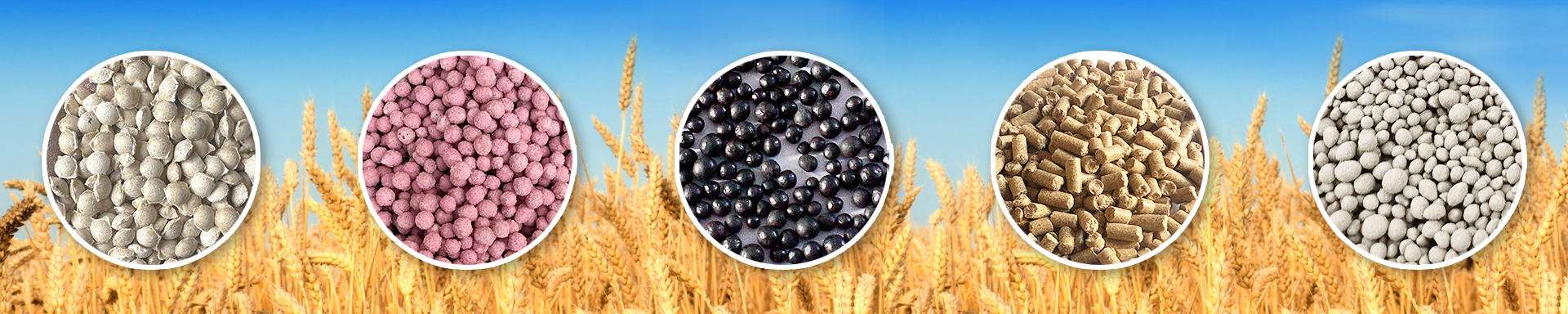
Potash Fertilizer Granulation Solution: Compound Fertilizer Granulator Guide
Published on: 2026-07-31Converting potassium salts into commercial fertilizer pellets requires specialized handling. Potash materials—such as MOP (Potassium Chloride) and SOP (Potassium Sulfate)—are hygroscopic, non-sticky, and heat-sensitive.
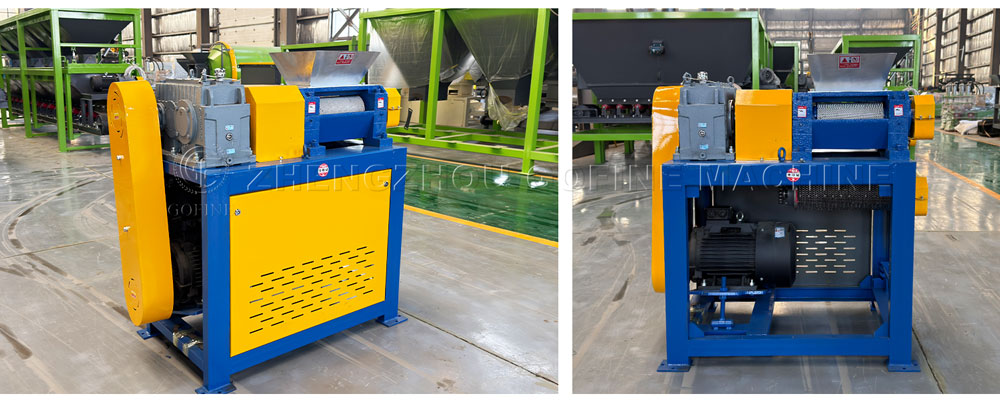
The ideal processing solution is a dry extrusion compound fertilizer granulator. Utilizing high-pressure mechanical compaction, a double roller potash granulator converts fine powder into dense granules at ambient temperature with zero added water and zero thermal drying.
Why Dry Compaction Outperforms Wet Granulation
Traditional wet granulation requires liquid binders and energy-intensive rotary dryers. Wet potash also forms corrosive slurries that clog machinery and cause thermal degradation.
A Gofine double roller compound fertilizer granulator solves these challenges through dry mechanical press compaction:
Zero Moisture & Heat: Squeezes dry powder between counter-rotating rollers at ambient temperature.
40%+ OPEX Savings: Eliminates fuel-burning rotary dryers and cooling drums.
Corrosion Free: Dry operation prevents material caking and equipment rust.
Frequently Asked Questions
Q: Why is a double roller press preferred for potash granulation?
A: MOP and SOP are water-soluble and heat-sensitive. Dry roller compaction eliminates liquid binders and expensive thermal drying, cutting energy costs by over 40% while preserving nutrient stability.
Q: What is the optimal moisture level for potash compaction?
A: Feedstock moisture must be strictly maintained between 3% and 8% to ensure high pellet density and prevent roller sticking.
Q: What granule shape does a double roller compound fertilizer granulator produce?
A: It produces oblate, pillow-shaped granules with excellent crush strength and high bulk density, ideal for mechanical spreading.
Process Workflow & Equipment Setup
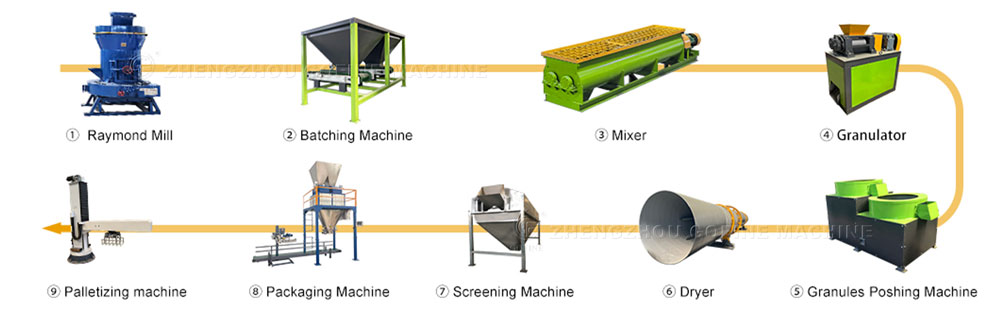
Batching & Mixing: MOP/SOP and dry additives are blended in a twin-shaft mixer (moisture kept at 3%–8%).
Roller Press Compaction: Dry powder feeds into the potash granulator, where hydraulic alloy rollers compress it into hard flakes.
Crushing & Screening: Integrated breaker shafts crush flakes into irregular, high-strength granules, while a rotary screen separates qualified 2–5 mm pellets.
Recycling & Bagging: Fine tailings automatically recycle back to the hopper, while qualified granules pass to automated bagging scales.
Key Equipment: Automated Dosing System ➔ Twin-Shaft Mixer ➔ Bucket Elevator ➔ Double Roller Granulator (with Crusher) ➔ Sizing Screen ➔ Coating Machine ➔ Bagging Scale.
Choosing the Right Potash Granulator for Your Plant
Selecting an industrial-grade compound fertilizer granulator tailored for potassium chloride (MOP) or potassium sulfate (SOP) is the key to minimizing energy overhead and preventing fertilizer caking. By deploying a heavy-duty double roller potash granulator, manufacturers achieve continuous, binder-free dry compaction that protects chemical nutrient integrity while cutting drying fuel costs.
Whether you are designing a high-capacity potash granulator line or upgrading an existing NPK dry blending facility, engineered compaction technology guarantees maximum output with minimal daily operating expense.
Get Your Dry Potash Granulation Blueprint
Ready to optimize your potassium processing efficiency? Our engineering department delivers custom compound fertilizer granulator line layouts, material pressure test reports, and direct factory quotes.
Inquire today for direct factory pricing on our Potash Granulator series!
Related Content
Latest News
- Heavy-Duty Pan Granulator: Unique Rotary Scraper Design for Maximum Disc Area Utilization
- Mobile Lab Mini Briquette Press: 5mm Explosion-Proof Roll Compactor for Chemical & Fertilizer R&
- Custom Bar-Type Double Roller Extrusion Granulator: High-Yield Production of Irregular Strip Granule
- Custom Double Roller Extrusion Granulator | Dust-Free Roller Compactor
- High-Capacity Rotary Drum Granulator: The Core Solution for NPK & Compound Fertilizer Production
- Compound Fertilizer Cage Crusher with Screw Feeder | Non-Clogging Crusher
- Fertilizer Granulator Machines: Transforming Compost Powder into Premium Pelleted Fertilizer
- Diesel Semi-Wet Material Crusher: Heavy-Duty Solution for High-Moisture Waste Grinding