


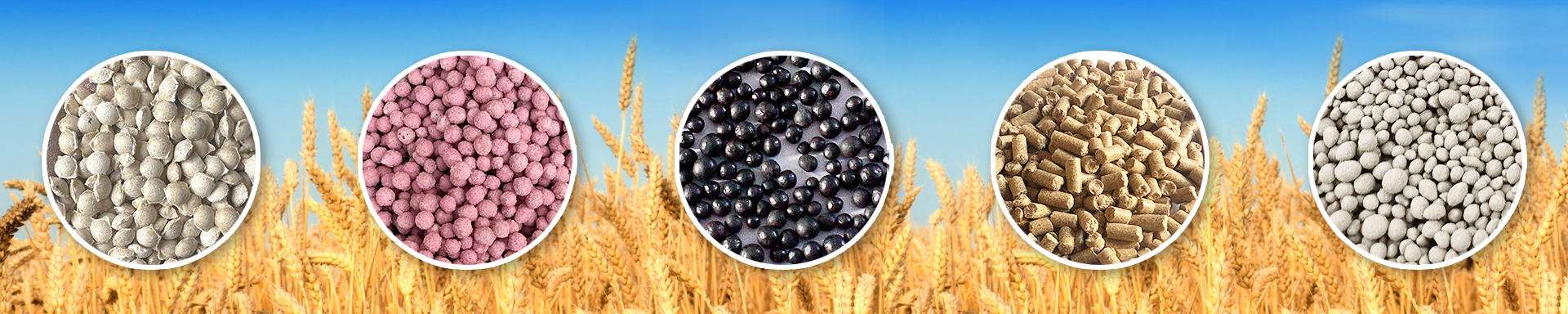
Cage Crusher vs. Urea Crusher: Industrial Powder Crusher Comparison
Published on: 2026-08-03Selecting the right crushing system for fertilizer raw materials directly impacts particle fineness, machinery footprint, and anti-caking performance. While both cage crushers and urea crushers excel at breaking down consolidated fertilizer lumps, their internal crushing mechanisms, particle output size, and dust management requirements differ significantly.
Understanding the operational trade-offs between a high-fineness cage crusher and a specialized urea crusher ensures your fertilizer processing line maintains maximum throughput without downstream caking.
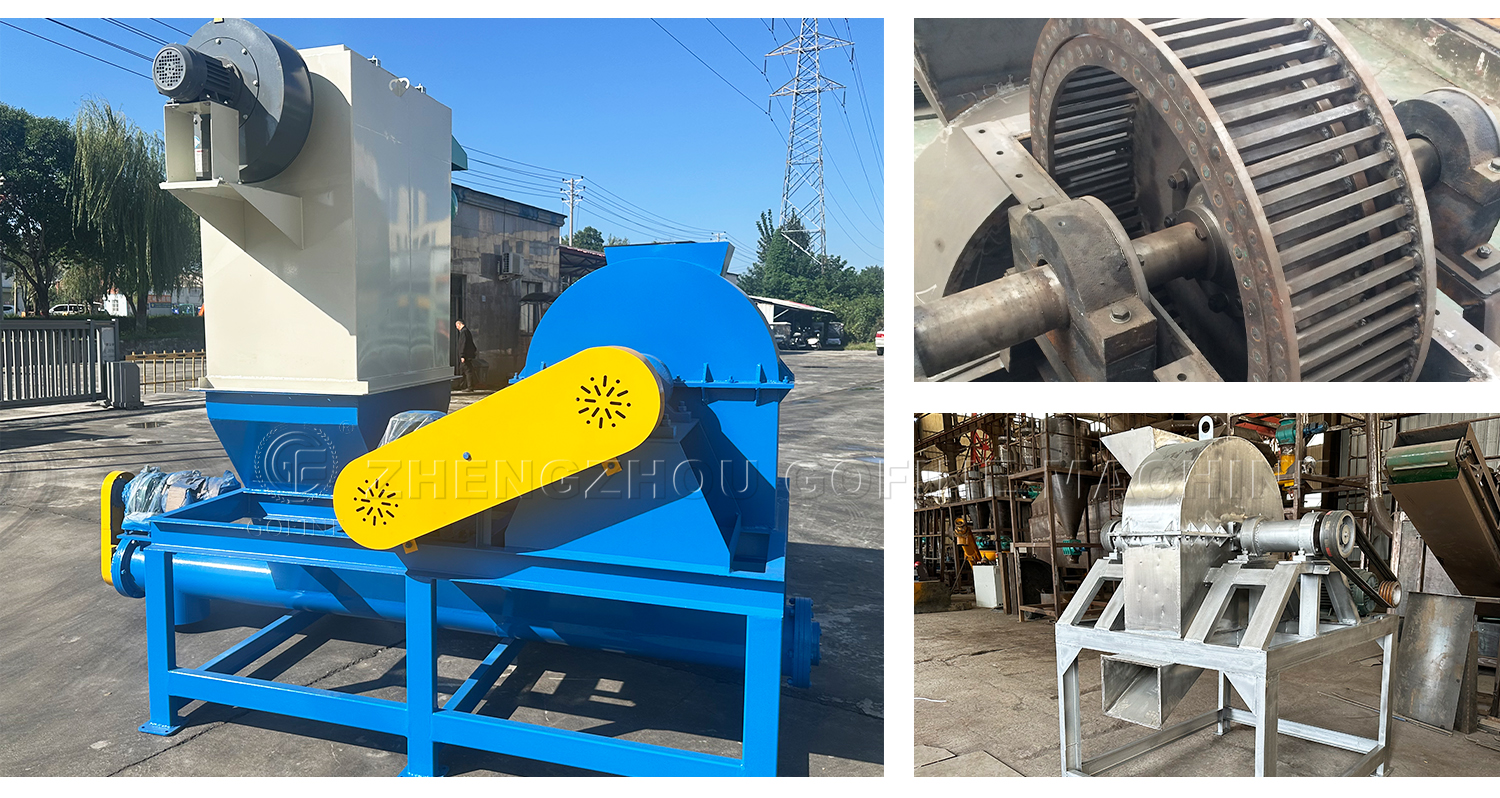
Cage Crusher: Ultra-Fine Grinding for Complex Materials
A cage crusher utilizes counter-rotating multi-stage cages to shatter hard mineral salts and organic compounds through high-impact mechanical force.
Ultra-Fine Particle Output: Achieves an extremely fine output range of 80 to 300 microns, making it ideal for high-precision bio-organic and compound fertilizer formulas.
Infrastructure & Motor Capacity: Requires a larger floor footprint and high-horsepower driving motors to spin heavy cage assemblies.
Dust Control Requirements: Generates substantial dust during high-speed grinding. Operating a cage crusher strictly requires an integrated dust collection system or pulse bag dust collector to maintain workshop air quality.
Urea Crusher: Specialized Processing with Anti-Caking Benefits
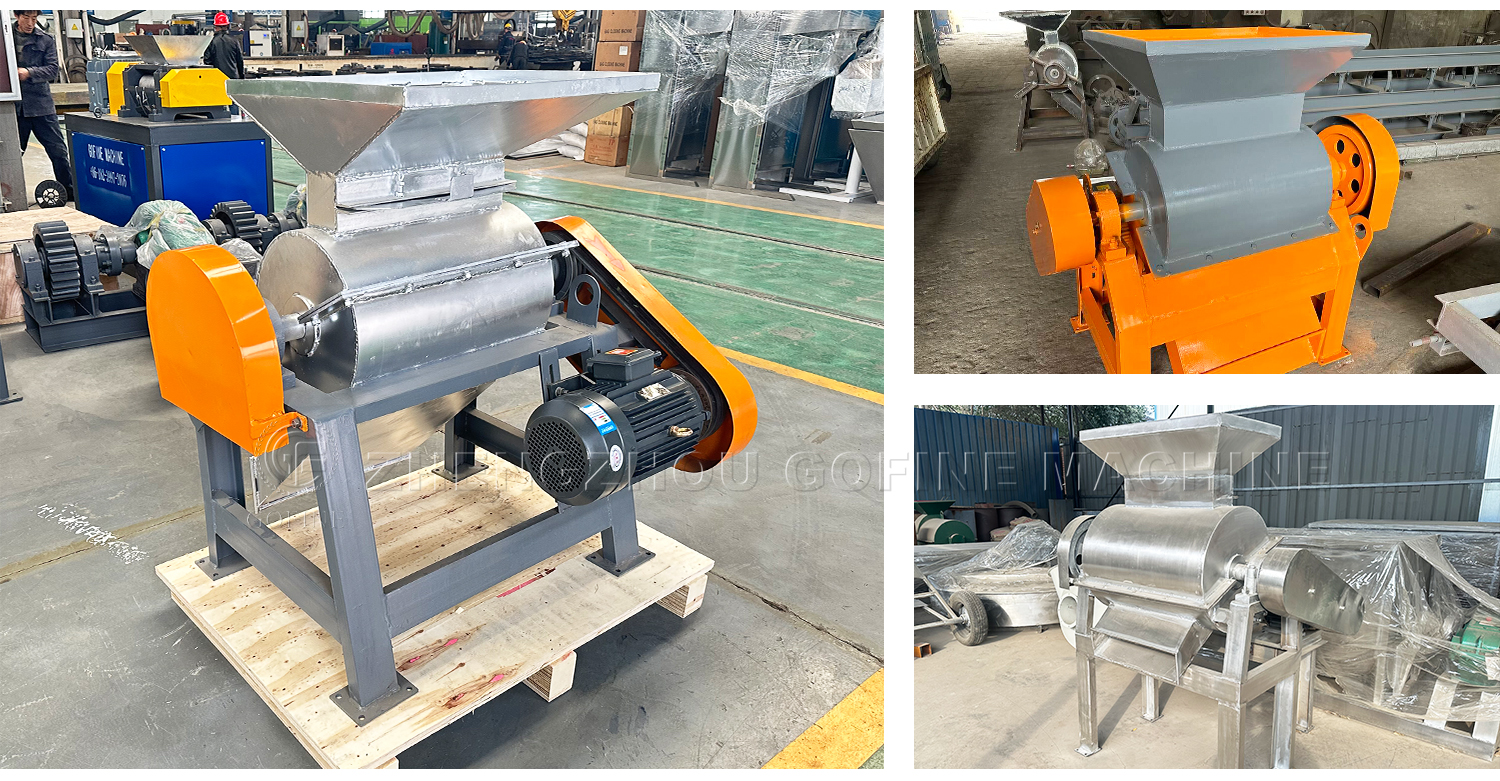
A specialized urea crusher is engineered specifically to process prilled urea and moisture-sensitive nitrogen materials without triggering downstream storage issues.
Anti-Caking Performance: Unlike cage crushers, urea crushers produce slightly coarser particles. Because ultra-fine urea dust rapidly absorbs atmospheric moisture and forms severe rock-like lumps, the deliberate particle size of a urea crusher effectively prevents urea re-caking.
Footprint & Capital Savings: Features a compact footprint, minimal dust generation, lower motor power requirements, and a lower purchase price than heavy-duty cage crushers.
High Output Capacity: Designed for single-material dedicated lines, offering large hourly throughput with minimal operational maintenance.
Technical Comparison Matrix
Feature / MetricIndustrial | Cage CrusherSpecialized | Urea Crusher |
| Primary Material Suitability | Multi-component NPK & Organic Blends | Prilled Urea & Nitrogen Materials |
| Particle Size Range | 80–300 microns (Ultra-fine) | Medium-fine (Optimized for anti-caking) |
| Equipment Footprint | Larger floor space requirement | Compact, low-profile layout |
| Dust & Filtration Needs | High dust; requires bag dust collector | Low dust emission |
| Anti-Caking Efficiency | Lower (Ultra-fine urea easily cakes) | High (Prevents post-crushing caking) |
| Equipment Cost & Capacity | Higher initial cost; high energy | Lower capital cost; high hourly capacity |
Frequently Asked Questions
Q: Why does ultra-fine urea powder cause severe fertilizer caking?
A: Urea is highly hygroscopic. Grinding urea down to 80–300 microns drastically increases its surface area, causing fine particles to absorb moisture from the air and bridge together into hard solid blocks during storage.
Q: Do I need a pulse bag dust collector for a urea crusher line?
A: Generally, no. A dedicated urea crusher produces far less airborne dust than a cage crusher, making a basic collection hopper sufficient and lowering overall system auxiliary costs.
Q: Can a cage crusher handle high-moisture organic fertilizer materials?
A: Yes, provided the feed moisture is kept below critical levels. However, for dedicated nitrogen lines processing dry urea prills, a urea crusher is more economical and efficient.
Selecting the Optimal Cage Crusher or Urea Crusher System
Choosing between a heavy-duty cage crusher and a high-capacity urea crusher comes down to your raw material formula and particle size needs. If your facility requires ultra-fine 80–300 micron grinding for complex multi-ingredient formulas, deploying a cage crusher with an engineered dust collection system ensures maximum material homogeneity. Conversely, for dedicated nitrogen blending lines, installing a compact urea crusher delivers higher hourly capacity, lower machinery cost, and critical anti-caking protection for stored fertilizer.
Get Your Custom Crusher Equipment Quote
Need help selecting between a cage crusher or a specialized urea crusher for your fertilizer line? Contact the Gofine technical team for customized layout drawings, dust control integration, and factory-direct equipment quotes.
Related Content
Latest News
- Crawler Compost Turner: Remote Control & Cab Models | Factory Direct
- Stainless Steel Disc Granulator for Bentonite Cat Litter Production Line
- Heavy-Duty Pan Granulator: Unique Rotary Scraper Design for Maximum Disc Area Utilization
- Mobile Lab Mini Briquette Press: 5mm Explosion-Proof Roll Compactor for Chemical & Fertilizer R&
- Custom Bar-Type Double Roller Extrusion Granulator: High-Yield Production of Irregular Strip Granule
- Custom Double Roller Extrusion Granulator | Dust-Free Roller Compactor
- High-Capacity Rotary Drum Granulator: The Core Solution for NPK & Compound Fertilizer Production
- Compound Fertilizer Cage Crusher with Screw Feeder | Non-Clogging Crusher