


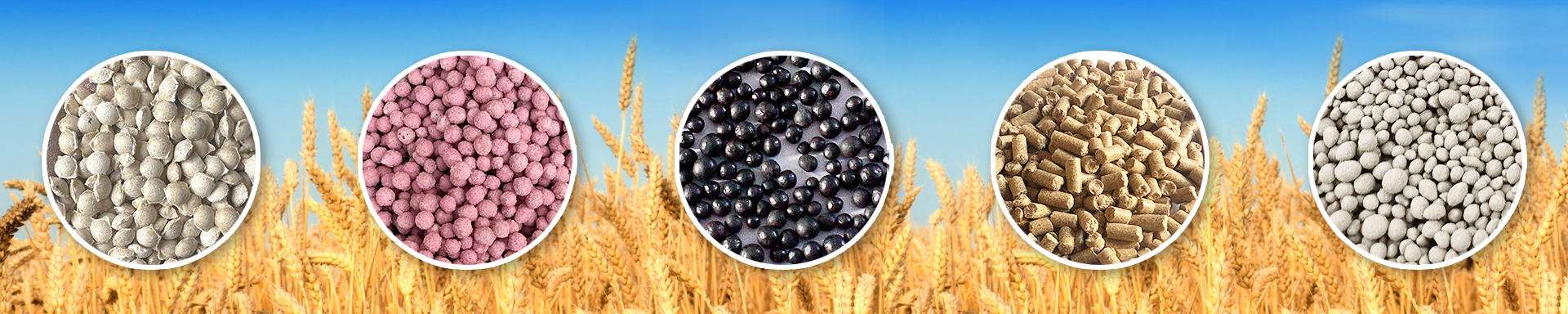
Fertilizer Pellet Mill for Organic Waste: Flat Die Pelletizer Guide
Published on: 2026-08-04Processing livestock manure, crop straw, and agricultural residues into bio-organic fertilizer requires robust pelleting equipment. Organic waste materials often feature high crude fiber content, irregular particle sizes, and variable moisture levels, which can easily overload light-duty machinery.
Deploying a heavy-duty fertilizer pellet mill for organic waste—specifically an industrial flat die pellet mill—delivers the mechanical torque and extrusion force necessary to convert bulky biomass waste into dense, high-grade fertilizer pellets.
Why a Flat Die Pellet Mill Excels at Organic Waste Processing
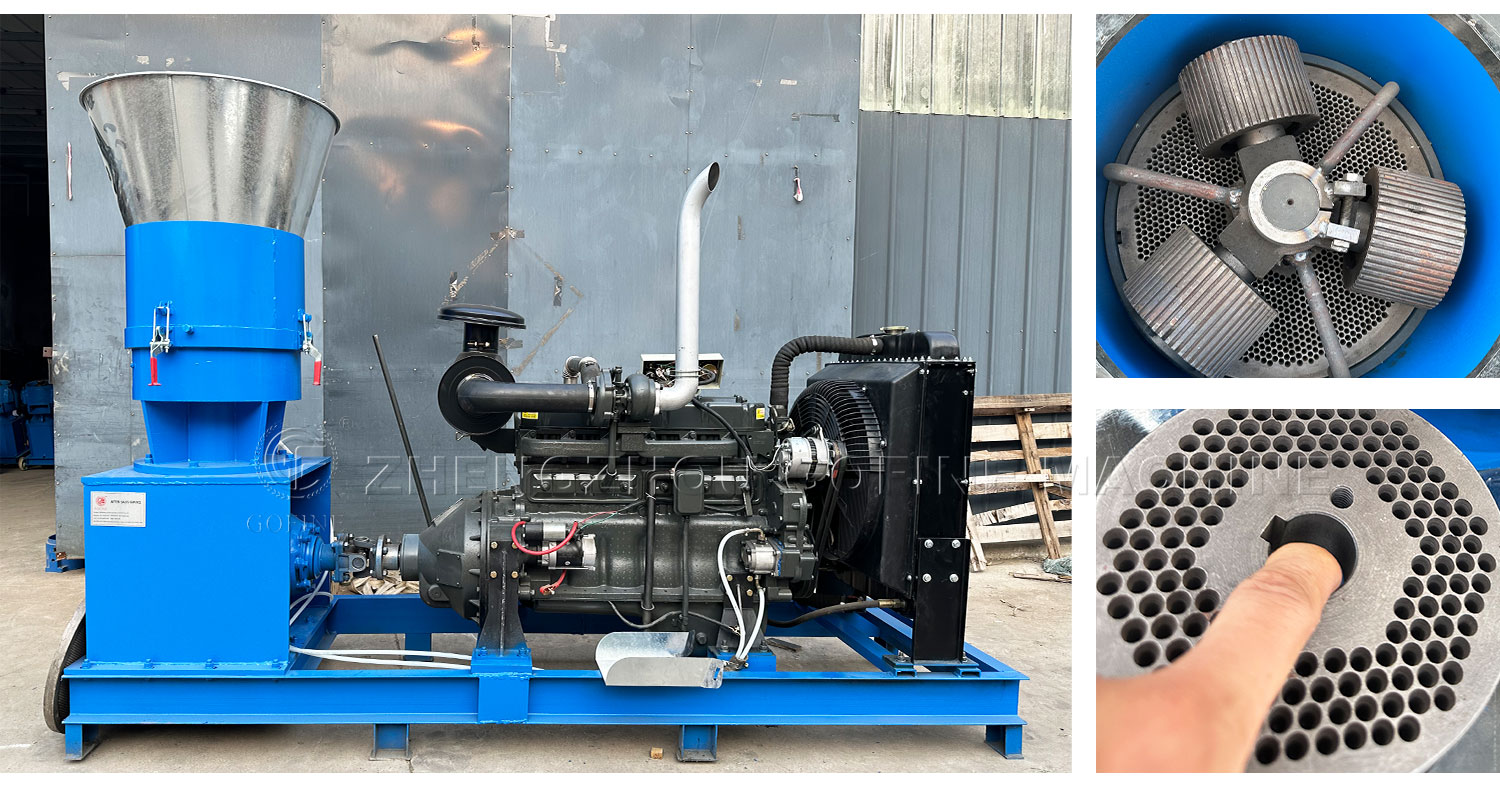
Unlike conventional granulators designed purely for chemical powders, a flat die fertilizer pellet mill for organic waste uses heavy roller pressure to force fibrous organic matter through vertical die holes.
Superior Fiber Extrusion Force: The horizontal flat die layout paired with large-diameter press rollers generates intense mechanical compaction. This easily processes high-fiber inputs like poultry manure mixed with sawdust or straw.
Wide Moisture Tolerance: While wet granulators require strict liquid control, a flat die pellet mill effectively handles organic waste feedstocks with moisture levels between 20% and 30%, reducing pre-drying energy costs.
Adjustable Pellet Density & Size: Operators can easily adjust die hole diameters (typically 2 mm to 8 mm) and cutter blades to produce uniform cylindrical pellets with high structural density.
Simple Mechanics & Easy Maintenance: The flat die design features fewer wear parts and an open working chamber, making roller clearance adjustments and die plate replacements fast and economical.
Raw Material Suitability for Flat Die Fertilizer Pelleting
An industrial flat die fertilizer pellet mill for organic waste easily handles diverse agricultural and municipal organic waste streams:
Composted Livestock Waste: Cattle manure, poultry litter, pig manure, and sheep dung compost.
Crop & Forestry Biomass: Rice husks, crop straw, sawdust, palm oil residue (EFB), and sugarcane bagasse.
Industrial & Municipal Organic Residues: Mushroom growth substrates, bio-gas digestate cake, olive pomace, and bio-sludge.
Process Layout: Flat Die Organic Fertilizer Pelleting Line
Integrating a flat die pellet press into a continuous organic waste processing line follows a compact, four-stage workflow:
Composting & Crushing: Raw organic waste undergoes aerobic fermentation, followed by a high-moisture crusher to break down fiber clumps.
Moisture Conditioning: A twin-shaft paddle mixer homogenizes the compost powder and balances moisture to roughly 20%–25%.
Flat Die Pelleting: The conditioned powder feeds into the fertilizer pellet mill for organic waste, where roller extrusion forms dense cylindrical pellets.
Cooling & Packaging: A counterflow cooler lowers pellet temperature and hardens the structure before automated bagging.
Frequently Asked Questions
Q: What makes a flat die pellet mill better for organic waste than a ring die mill?
A: Flat die pellet mills feature larger roller diameters and an open feeding structure, preventing high-fiber organic waste from bridging or clogging the feed inlet. They are also lower in cost and easier to maintain for small-to-medium organic fertilizer plants.
Q: What is the ideal feedstock moisture for a fertilizer pellet mill for organic waste?
A: The optimal moisture content for flat die organic waste pelleting ranges from 20% to 25%. This provides enough natural lubrication for pellet formation without requiring extensive pre-drying.
Q: Can a flat die pellet mill produce round spherical granules?
A: A flat die mill natively produces cylindrical pellets. If perfectly spherical organic granules are required, a rounding machine (polishing machine) can be installed directly after the pellet mill.
Deploying the Right Fertilizer Pellet Mill for Organic Waste
Investing in a heavy-duty flat die fertilizer pellet mill for organic waste allows organic fertilizer manufacturers and livestock farms to turn bulky manure and agricultural biomass into high-value commercial bio-pellets. With its high extrusion torque, low maintenance overhead, and tolerance for fibrous inputs, a flat die pelletizer maximizes production efficiency while keeping plant operational costs low.
Get Your Flat Die Pelleting Solution
Looking for a custom flat die fertilizer pellet mill for organic waste or a complete bio-organic pelleting line layout? Contact the Gofine technical engineering team for raw material testing, line drawings, and factory-direct equipment quotes. [Your Website/WhatsApp/Email]
Related Content
Latest News
- Crawler Compost Turner: Remote Control & Cab Models | Factory Direct
- Stainless Steel Disc Granulator for Bentonite Cat Litter Production Line
- Heavy-Duty Pan Granulator: Unique Rotary Scraper Design for Maximum Disc Area Utilization
- Mobile Lab Mini Briquette Press: 5mm Explosion-Proof Roll Compactor for Chemical & Fertilizer R&
- Custom Bar-Type Double Roller Extrusion Granulator: High-Yield Production of Irregular Strip Granule
- Custom Double Roller Extrusion Granulator | Dust-Free Roller Compactor
- High-Capacity Rotary Drum Granulator: The Core Solution for NPK & Compound Fertilizer Production
- Compound Fertilizer Cage Crusher with Screw Feeder | Non-Clogging Crusher