


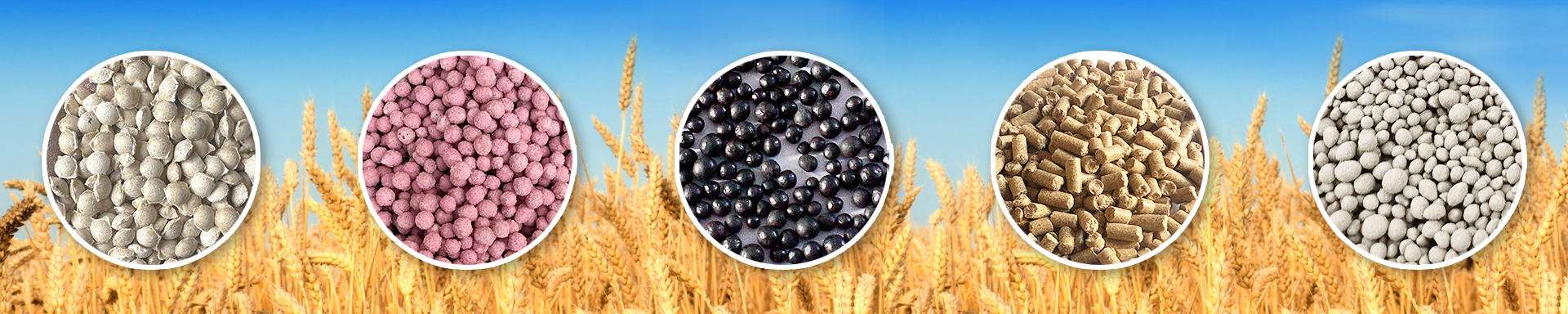
Turnkey Organic Fertilizer Plant Solution: Complete Engineering & Machinery Guide
Published on: 2026-08-05Establishing a commercial bio-organic fertilizer manufacturing facility requires a synchronized material processing workflow. Managing multiple equipment vendors often results in mismatched throughput, installation delays, and operational bottlenecks.
A single-source turnkey organic fertilizer plant solution eliminates project friction by integrating civil engineering design, automated processing machinery, on-site installation, and operational commissioning under one unified engineering framework.
What is Included in a Turnkey Organic Fertilizer Plant Solution?
A complete turnkey project delivers a fully operational bio-organic fertilizer manufacturing line, taking raw farm waste through to packaged commercial granules.
Custom Engineering & Site Layout Design: Tailored plant blueprints, equipment spacing schematics, and utility topology (three-phase electricity, water lines, and burner exhaust systems).
Full-Line Equipment Supply & Integration: Synchronized machinery matching raw material input rates with target hourly output.
On-Site Installation & Systems Commissioning: Lead engineers direct mechanical assembly, wiring integration, and live-material performance testing.
Operator Training & Lifetime Spare Parts Support: Hands-on staff training for machine operation, daily preventive care, and factory-direct wear parts replacement.
Core Processing Phases & Machinery Configuration
An engineered turnkey organic line covers four key processing stages, deploying specialized heavy-duty machinery tailored for high-moisture waste streams:
[Raw Waste Input] ➔ Dewatering ➔ Aerobic Composting ➔ Crushing & Mixing ➔ Granulation ➔ Drying/Cooling ➔ Bagging
1. Dewatering & Aerobic Composting Phase
Solid-Liquid Separator: Heavy-duty screw press separators extract free liquid from raw chicken manure, cow dung, or pig slurry to reduce moisture to 45%–55%.
Compost Turner Machine: Self-propelled windrow turners or hydraulic groove-type compost turners aerate long composting piles, driving internal temperatures to 55°C–65°C to kill pathogens, weed seeds, and larvae in 12 to 15 days.
2. Refining, Crushing & Batching Phase
High-Moisture Vertical Crusher: Breaks down consolidated composted cake and fiber bundles into fine powder without clogging.
Twin-Shaft Horizontal Mixer: Uniformly blends composted powder with humic acid, NPK dry minerals, or functional bio-agents.
3. Granulation & Thermal Processing Phase
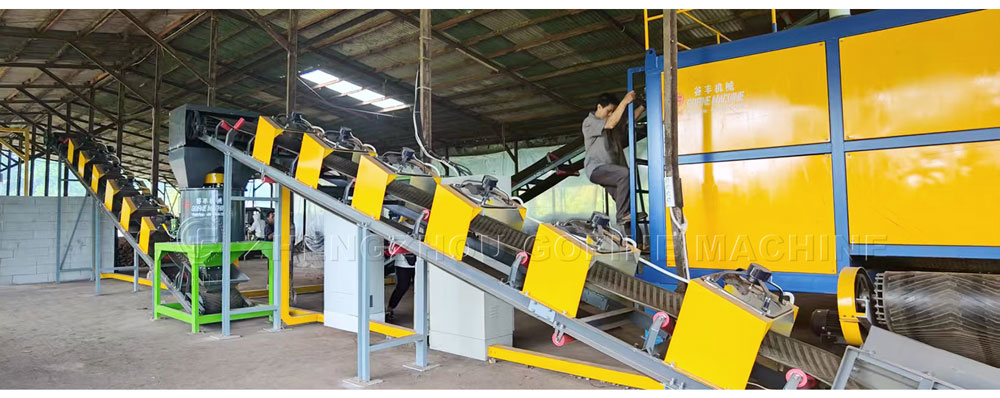
Fertilizer Granulator Options: Depending on pellet specifications, the line integrates a wet-type stirring granulator, disc granulator, flat die pellet mill, or double roller press granulator.
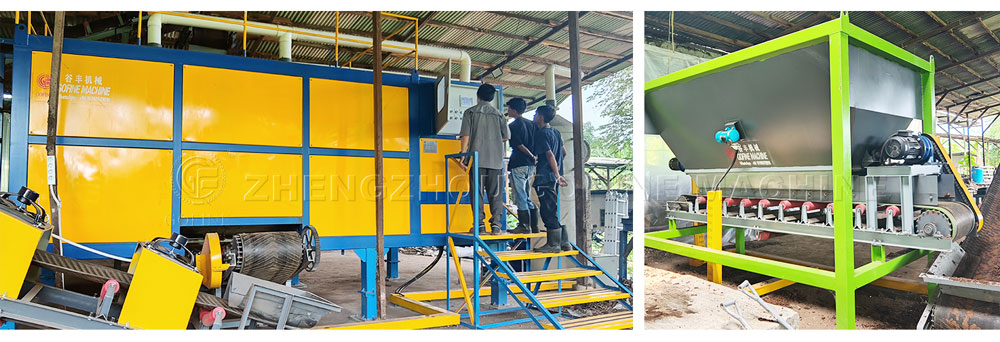
Rotary Drying & Cooling Drums: Heavy-duty thermal dryers extract internal granule moisture below 15%, followed by rotary cooling drums to solidify structural hardness and prevent caking.
4. Screening & Automated Packaging Phase
Rotary Sizing Screen: Isolates qualified 2–5 mm granules, continuously returning undersized fines and crushed oversized particles back to the granulator.
Automated Bagging Scale: Pneumatic filling systems weigh and seal 25–50 kg retail sacks or 1-ton bulk bags.
Plant Capacity Matrix: Powder Line vs. Granular Setup
| Plant Configuration | Target Output | Key Equipment Included | Best For |
| Small-Scale Powder Line | 1–2 Tons/Hour | Dewatering Separator, Windrow Turner, Vertical Crusher, Screen, Bagging Scale | Small livestock farms, low initial CAPEX projects |
| Commercial Granular Line | 3–5 Tons/Hour | Full Compost Line, Wet Granulator, Rotary Dryer/Cooler, Sizing Screen, Coating Machine | Regional commercial organic fertilizer brands |
| Industrial Automated Line | 10+ Tons/Hour | Grooved Compost Line, Disc/Roller Granulators, Centralized PLC Control, Dual Bagging Lines | Large agricultural enterprises & municipal waste facilities |
Frequently Asked Questions
Q: What is the typical installation timeline for a turnkey organic fertilizer plant?
A: From initial layout approval and equipment fabrication to on-site installation and final commissioning, a standard turnkey project typically takes 60 to 90 days.
Q: Can a turnkey organic fertilizer plant process different raw waste inputs?
A: Yes. By adjusting the pre-treatment dewatering ratio and composting formula, a single turnkey processing line can flexibly process poultry litter, cattle manure, crop straw, mushroom substrate, or digestate cake.
Q: What site infrastructure must be prepared before equipment delivery?
A: Buyers need to provide a level concrete foundation (or fermentation trenches), three-phase industrial power supply, clean water access, and fuel connections (natural gas, diesel, or biomass) for drying systems.
Partnering with a Turnkey Organic Fertilizer Plant Solution Provider
Investing in an engineered turnkey organic fertilizer plant solution allows livestock producers, municipal recyclers, and fertilizer manufacturers to build high-capacity bio-organic production facilities with minimal project risk. Partnering with a single-source equipment manufacturer ensures matched machine capacities, seamless utility integration, and maximum operational profitability.
Request Your Custom Plant Blueprint
Ready to design your bio-organic fertilizer processing plant? Contact the Gofine technical team for customized layout drawings, utility calculation reports, and factory-direct equipment pricing.
Inquire today to receive direct manufacturer pricing on our turnkey organic fertilizer plant solution line!
Related Content
Latest News
- Crawler Compost Turner: Remote Control & Cab Models | Factory Direct
- Stainless Steel Disc Granulator for Bentonite Cat Litter Production Line
- Heavy-Duty Pan Granulator: Unique Rotary Scraper Design for Maximum Disc Area Utilization
- Mobile Lab Mini Briquette Press: 5mm Explosion-Proof Roll Compactor for Chemical & Fertilizer R&
- Custom Bar-Type Double Roller Extrusion Granulator: High-Yield Production of Irregular Strip Granule
- Custom Double Roller Extrusion Granulator | Dust-Free Roller Compactor
- High-Capacity Rotary Drum Granulator: The Core Solution for NPK & Compound Fertilizer Production
- Compound Fertilizer Cage Crusher with Screw Feeder | Non-Clogging Crusher