


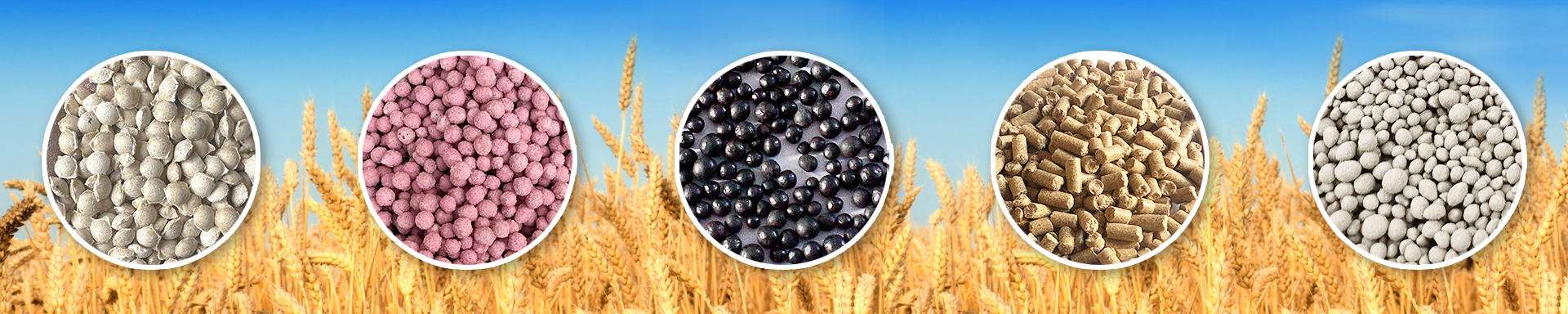
Automated Inorganic Fertilizer Production Line High Output and Stable Performance
Published on: 2026-04-24In the era of modern intensive agriculture, inorganic fertilizer, as an essential nutrient source for high crop yields, relies heavily on efficient and standardized production equipment to meet the massive market demand. An automated inorganic fertilizer production line with high output and stable performance has become the core choice for fertilizer enterprises, integrating intelligence, efficiency, and reliability to realize large-scale, low-cost, and high-quality production of inorganic fertilizer. This article will comprehensively elaborate on the core characteristics, equipment configuration, production process, advantages, and selection criteria of automated inorganic fertilizer production lines, providing a professional guide for investors, fertilizer manufacturers, and agricultural practitioners who pursue high-efficiency production solutions.
Core Characteristics of Automated Inorganic Fertilizer Production Line High Output and Stable Performance
An excellent automated inorganic fertilizer production line is not just a simple combination of equipment, but a systematic solution that integrates automation control, high-efficiency production, and stable operation. Different from traditional semi-automatic production lines, it has obvious advantages in output, stability, intelligence, and environmental protection, which can perfectly meet the high standards of modern inorganic fertilizer production and help enterprises gain a competitive edge in the market. Its core characteristics are mainly reflected in the following four aspects:
1. High Output Efficiency, Meeting Large-Scale Production Needs
High output is the core highlight of top automated inorganic fertilizer production lines. Adopting a continuous operation mode, the production line integrates all processes from raw material pretreatment to finished product packaging, realizing uninterrupted production 24 hours a day. The hourly output of a single production line can reach 5-50 tons, and the annual output can be customized from 10,000 tons to 800,000 tons according to actual needs, which is 50% higher than that of traditional semi-automatic production lines. Whether it is a small and medium-sized fertilizer factory or a large-scale industrial enterprise, it can be flexibly adapted. The key equipment adopts high-power drive systems and optimized structural design, which effectively improves production efficiency while ensuring product quality, helping enterprises reduce unit production costs and expand market supply capacity.
2. Stable Operation, Ensuring Consistent Product Quality
Stable performance is the foundation of automated inorganic fertilizer production lines. The whole line adopts high-quality core components, such as imported motors, precision reducers, and corrosion-resistant wear parts, which have the advantages of low failure rate, long service life, and stable operation. The failure rate of the whole line is controlled below 2% per month, and the continuous operation time can reach more than 720 hours, which greatly reduces the loss caused by equipment shutdown. At the same time, the automated control system realizes real-time monitoring and precise adjustment of each production link, ensuring that the nutrient content, particle size, and moisture content of the finished inorganic fertilizer are consistent, and the qualification rate of finished products is as high as 99% or more, which meets national and international quality standards.
3. Full Automation, Reducing Manual Intervention
Automation is the core feature of modern inorganic fertilizer production lines. The whole line is equipped with an intelligent PLC central control system, which can realize automatic control of the entire production process from raw material feeding, batching, mixing, granulation, drying, cooling, screening to packaging. The touch screen operation interface is simple and easy to learn, and only 2-3 operators are needed to complete the operation of the whole line, which reduces labor costs by 60% compared with traditional production lines. The system can store more than 100 sets of production formulas, support fast switching of formulas, and can flexibly produce inorganic fertilizers with different nutrient ratios to meet the needs of different crops and soil conditions.
4. Environmental Protection and Energy Saving, Complying with Policy Requirements
With the increasing emphasis on environmental protection, modern automated inorganic fertilizer production lines strictly comply with national environmental protection standards and adopt a series of environmental protection technologies to achieve clean production. The whole production process adopts a closed design to avoid dust leakage and waste gas emission. The three-stage dust removal system (cyclone separator + baffle + water curtain) can remove more than 98% of the dust generated in the production process, and the waste gas treatment system can effectively purify harmful gases such as sulfur dioxide and nitrogen oxides, ensuring that the emission meets the standard. At the same time, the production line adopts energy-saving equipment and technology, such as heat recovery and utilization systems, which can reduce energy consumption by 30%-45% compared with traditional production lines, conforming to the concept of green development and helping enterprises avoid policy risks such as fines and shutdowns.
Core Equipment Configuration of Automated Inorganic Fertilizer Production Line
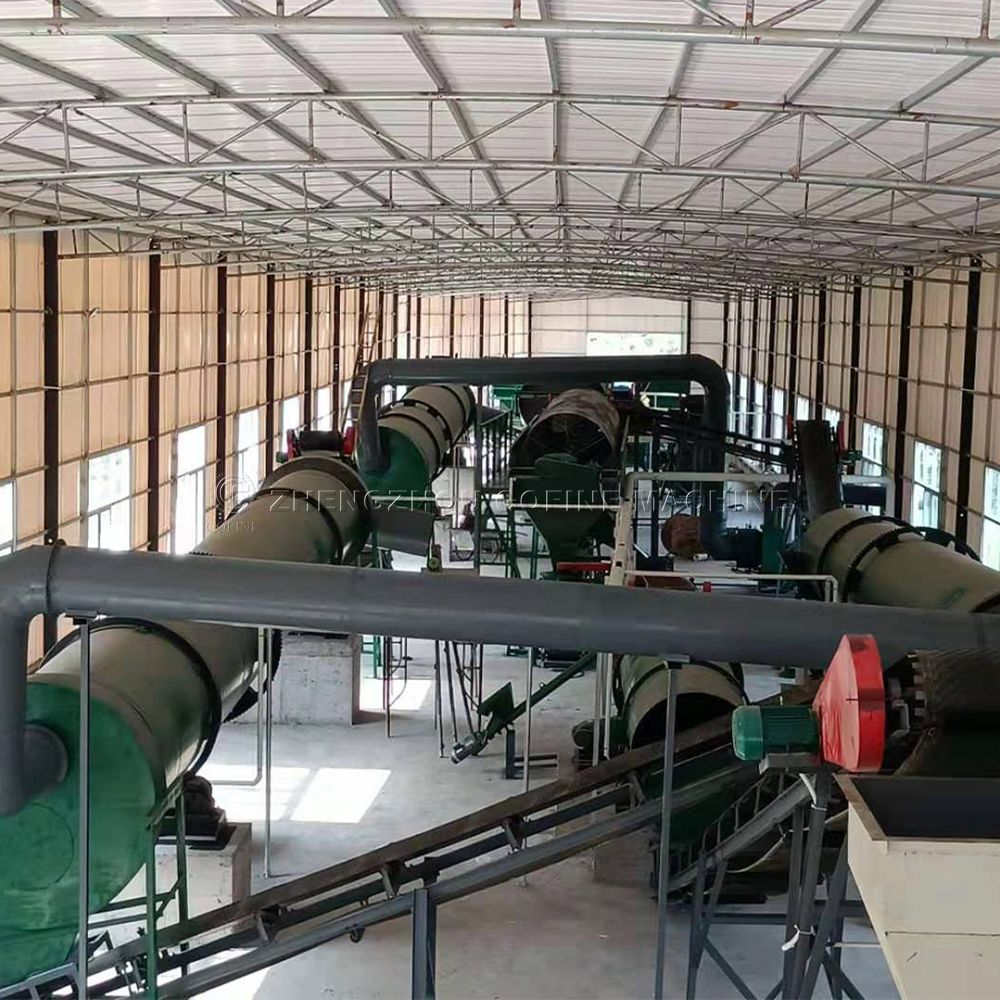
A complete automated inorganic fertilizer production line is composed of multiple functional equipment modules, each of which undertakes a key link in the production process. The coordination and quality of equipment directly determine the output, stability, and product quality of the production line. The core configuration is mainly divided into six parts: raw material pretreatment system, automatic batching and mixing system, granulation system, drying and cooling system, screening and grading system, and finished product packaging system. Each system is equipped with high-quality automated equipment to ensure the efficient and stable operation of the whole line.
1. Raw Material Pretreatment System
Raw material pretreatment is the first link of inorganic fertilizer production, which directly affects the subsequent production effect and product quality. The core equipment of this system includes a crusher, vibrating screen, and magnetic separator. The crusher is used to crush large-particle raw materials such as urea, ammonium phosphate, and potassium chloride into 80-100 mesh fine powder, which is convenient for uniform mixing and granulation. The vibrating screen is used to remove impurities such as stones, metals, and uncrushed large particles in the raw materials, ensuring the purity of the raw materials. The magnetic separator can effectively remove iron impurities in the raw materials, avoid damaging the subsequent equipment, and ensure production safety. Top automated production lines usually adopt high-efficiency crushers and precision vibrating screens, with uniform crushing effect and high impurity removal rate, laying a solid foundation for subsequent production.
2. Automatic Batching and Mixing System
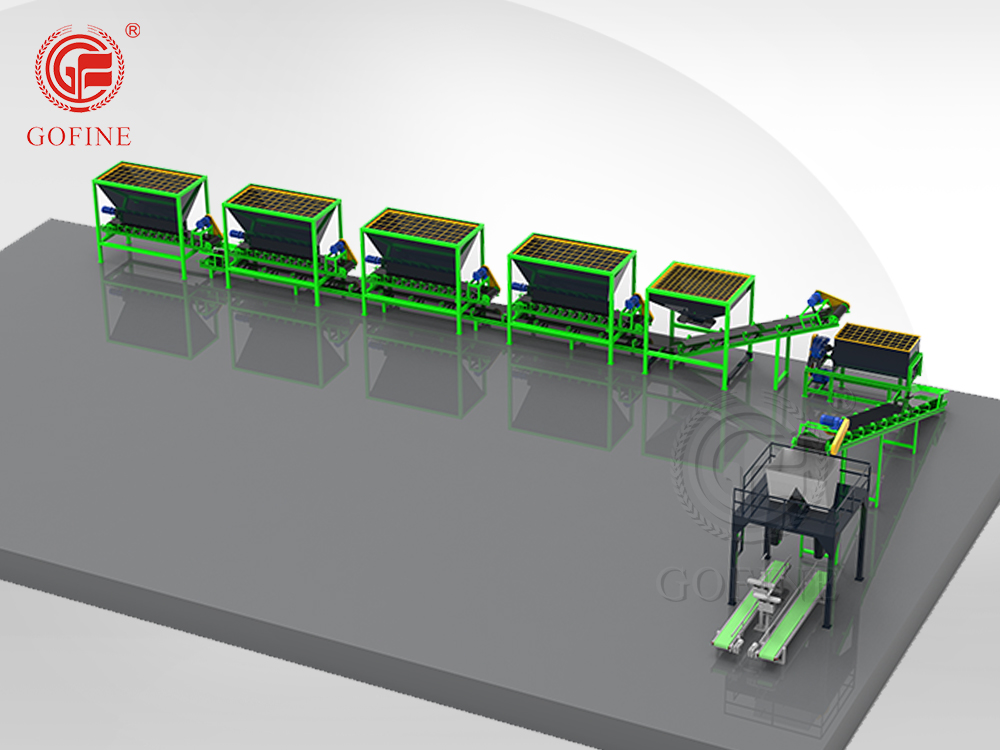
Automatic batching and mixing are the core links to ensure the uniform nutrient content of inorganic fertilizer. The core equipment of this system includes an automatic batching machine, screw conveyor, and high-efficiency mixer. The automatic batching machine is equipped with a precision weighing system, with a weighing error of ≤±0.1%, which can accurately proportion different raw materials (nitrogen, phosphorus, potassium, and trace elements) according to the preset formula. The screw conveyor adopts a closed design, which realizes the automatic transportation of raw materials, avoids dust leakage and material loss, and the conveying speed can be adjusted according to the production rhythm. The high-efficiency mixer (such as double-shaft mixer or no-gravity mixer) can fully mix the proportioned raw materials in 5-8 minutes, with a mixing uniformity of more than 98%, ensuring that the nutrients of the mixed materials are evenly distributed, which is the key to ensuring the quality of finished products.
3. Granulation System
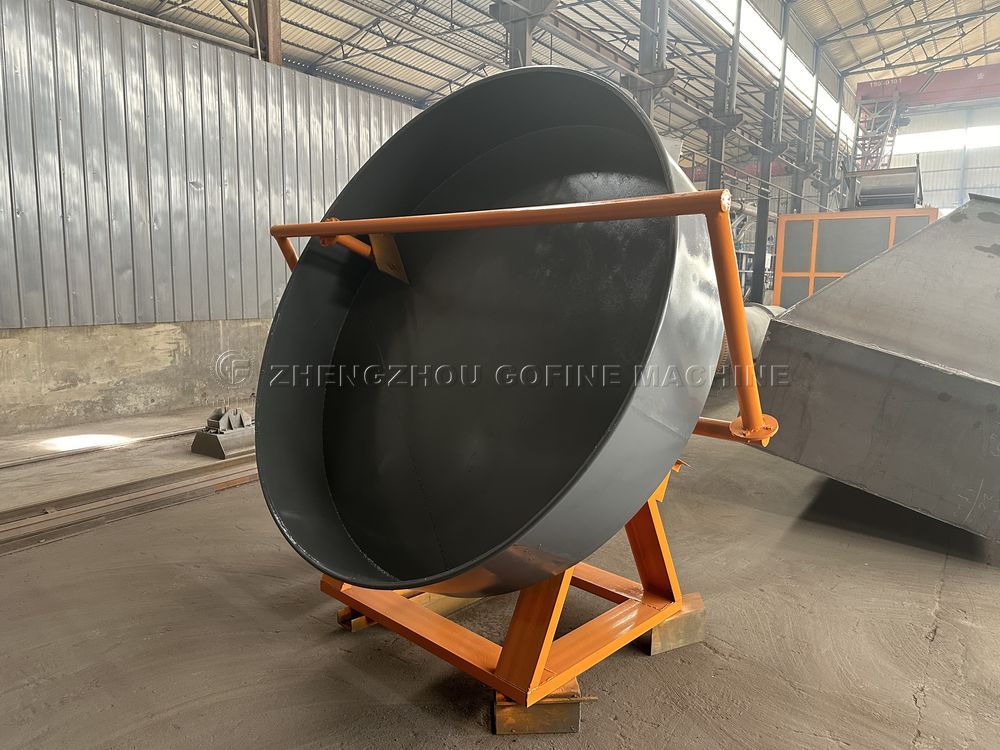
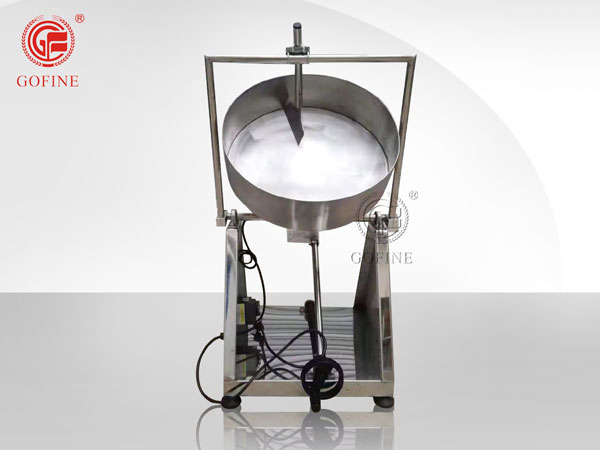
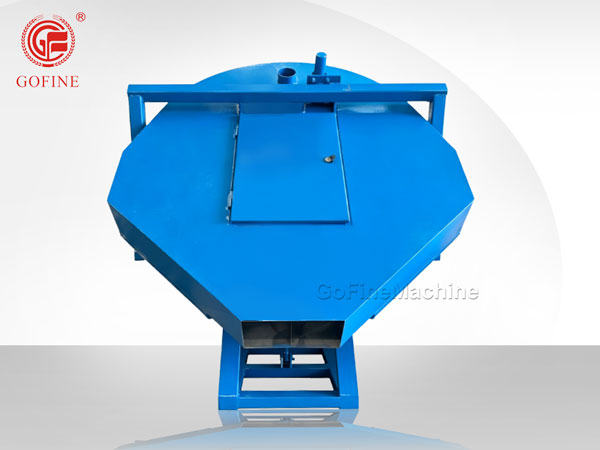
Granulation is to process the mixed powder raw materials into uniform particles, which is convenient for storage, transportation, and application. The core equipment of this system includes a granulator (rotary drum granulator, disc granulator, or extrusion granulator) and a granulation aid adding device. The rotary drum granulator is suitable for large-scale production, with high output and stable operation. The particle formation rate is more than 92%, and the particles are round and uniform, which is the most widely used granulation equipment in automated inorganic fertilizer production lines. The disc granulator is suitable for small and medium-sized production lines, with simple structure and low energy consumption. The extrusion granulator adopts high-pressure extrusion molding, no need for drying, which is energy-saving and environmentally friendly, suitable for raw materials that are not easy to agglomerate. The granulation aid adding device can add an appropriate amount of granulation aid according to the characteristics of raw materials, improving the granulation effect and particle strength.
4. Drying and Cooling System
After granulation, the inorganic fertilizer particles have high water content (about 20%-30%) and high temperature, which need to be dried and cooled to meet the storage requirements. The core equipment of this system includes a rotary dryer, cooler, and heat recovery system. The rotary dryer adopts high-temperature hot air drying technology, which can quickly reduce the water content of particles to below 2% (the standard storage water content) while ensuring that the nutrients of inorganic fertilizer are not lost. The dryer is equipped with a temperature control system, which can adjust the drying temperature according to the characteristics of raw materials, avoiding over-drying or under-drying. The cooler uses forced ventilation cooling technology to cool the dried particles to room temperature, avoiding moisture regain and caking of particles during storage. The heat recovery system can recycle the waste heat generated by the dryer, reduce energy consumption, and improve energy utilization efficiency.
5. Screening and Grading System
Screening and grading are to ensure the uniformity of particle size of finished inorganic fertilizer. The core equipment of this system includes a vibrating screening machine and a return conveyor. The vibrating screening machine is equipped with double-layer screens, which can separate the particles into three grades: qualified particles (2-4.75mm), unqualified large particles, and unqualified fine powder. The qualified particles enter the next packaging link, the unqualified large particles are crushed again and returned to the granulation system for re-granulation, and the unqualified fine powder is directly returned to the mixing system for reprocessing, realizing the recycling of materials and reducing waste. The screening efficiency of the vibrating screening machine is high, and the qualified rate of particles after screening is more than 95%, ensuring the commercial quality of finished products.
6. Finished Product Packaging System
The finished product packaging system is the last link of production, which is used to package the qualified inorganic fertilizer particles into standard specifications for storage and transportation. The core equipment of this system includes an automatic weighing machine, automatic packaging machine, conveyor, and automatic palletizer. The automatic weighing machine has high weighing accuracy (error ≤±0.5kg), which can accurately weigh the particles according to the preset packaging specifications (25kg, 50kg, etc.). The automatic packaging machine can realize automatic bagging, sealing, and labeling, with a packaging speed of 800-2000 bags per hour, which greatly improves packaging efficiency. The conveyor and automatic palletizer realize the automatic transportation and stacking of packaged products, reducing manual labor and improving the efficiency of warehousing and transportation. The whole packaging system is connected with the central control system, realizing full automation and reducing the error caused by manual operation.
Automated Production Process of Inorganic Fertilizer: Efficient and Standardized Operation
The automated inorganic fertilizer production line adheres to the concept of "standardization, efficiency, and intelligence" and realizes the whole-process automated operation through a scientific and reasonable production process, which not only improves production efficiency but also ensures product quality. The specific production process is closely connected, and each link is accurately controlled by the intelligent system to ensure the smooth progress of production. The detailed process is as follows:
Step 1: Raw Material Collection and Inspection
Collect raw materials such as nitrogen fertilizer (urea, ammonium nitrate), phosphorus fertilizer (monoammonium phosphate, diammonium phosphate), potassium fertilizer (potassium chloride, potassium sulfate), and trace elements (boron, zinc, magnesium), and conduct strict quality inspection on the raw materials to detect indicators such as nutrient content, impurity content, and moisture content. Only the raw materials that meet the standard can enter the production link, which is the premise to ensure the quality of finished products. At the same time, the raw materials are classified and stored in closed silos to avoid moisture absorption, caking, and pollution.
Step 2: Raw Material Pretreatment
Transport the qualified raw materials to the crusher for crushing, crush them into fine powder of 80-100 mesh, then transport them to the vibrating screen for screening, remove impurities such as stones and metals, and then transport them to the magnetic separator to remove iron impurities. The pretreated raw materials are transported to the raw material silo through the screw conveyor for standby. This link ensures that the raw materials are uniform, pure, and free of impurities, laying a foundation for accurate batching and uniform mixing.
Step 3: Automatic Batching and Mixing
Set the production formula in the central control system (according to the needs of different crops and soil, set different nitrogen, phosphorus, potassium ratios), and the automatic batching machine will accurately weigh the raw materials from each raw material silo according to the formula, and transport them to the high-efficiency mixer through the screw conveyor. The mixer fully mixes the raw materials for 5-8 minutes to ensure that the nutrients are evenly distributed. The mixing process is monitored in real time by the system, and the mixing time and speed can be adjusted according to the mixing effect to ensure the mixing quality
Related Content
Latest News
- Crawler Compost Turner: Remote Control & Cab Models | Factory Direct
- Stainless Steel Disc Granulator for Bentonite Cat Litter Production Line
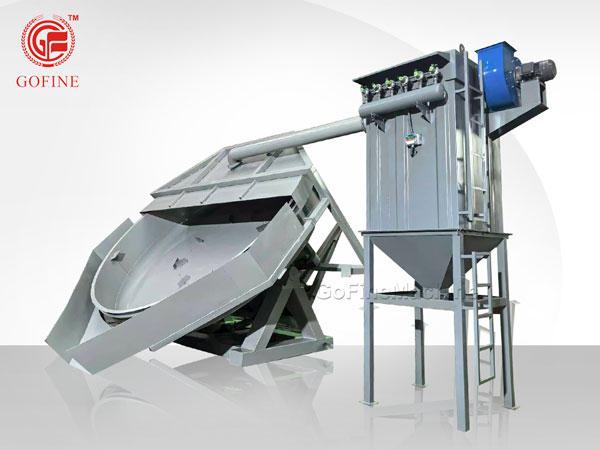
- Heavy-Duty Pan Granulator: Unique Rotary Scraper Design for Maximum Disc Area Utilization
- Mobile Lab Mini Briquette Press: 5mm Explosion-Proof Roll Compactor for Chemical & Fertilizer R&
- Custom Bar-Type Double Roller Extrusion Granulator: High-Yield Production of Irregular Strip Granule
- Custom Double Roller Extrusion Granulator | Dust-Free Roller Compactor
- High-Capacity Rotary Drum Granulator: The Core Solution for NPK & Compound Fertilizer Production
- Compound Fertilizer Cage Crusher with Screw Feeder | Non-Clogging Crusher