


Gofine Compost Turner Price Guide: Models, Factors & ROI
Published on: 2026-07-25When investing in a commercial manure fermentation project, total equipment cost depends on daily throughput, drive systems, and facility layout. This quick guide breaks down Gofine compost turner models, pricing drivers, and long-term return on investment (ROI).
Section 1: Price Breakdown by Machinery Model
Self-Propelled Windrow Compost Turner: Best for outdoor flat pads. Moves on tires or crawler tracks over triangular windrows. Price depends on diesel engine horsepower (e.g., Weichai/Cummins) and drive configuration.
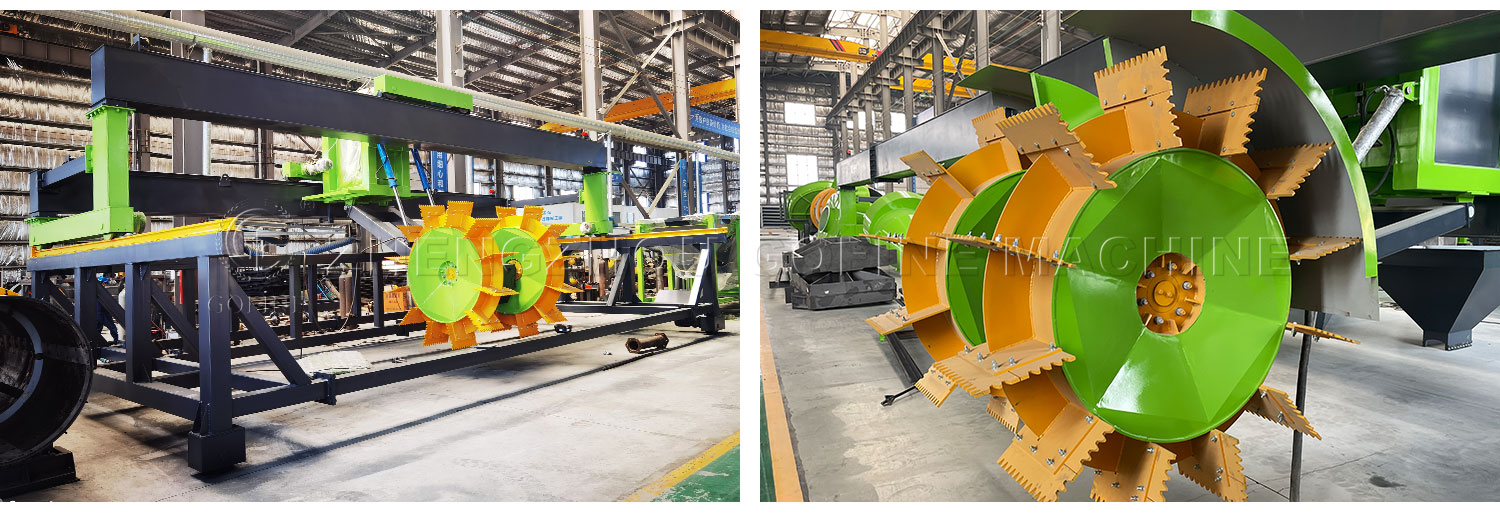
Hydraulic Groove/Trough Type Turner: Best for space-saving indoor plants. Operates on concrete trench rails. Price scales with trench span width (3m to 9m+) and hydraulic lift capacity.
Chain Plate Compost Turner: Engineered for deep-trench fermentation (up to 2m deep). Price is driven by chain alloy strength and high-torque gearbox quality.
Section 2: Key Engineering Cost Factors
Hydraulic vs. Mechanical Drive: Full hydraulic systems cost slightly more upfront but offer auto-overload protection, smoother operation, and lower long-term maintenance.
Anti-Corrosive Alloy Components: Upgrading to acid-resistant alloy turning blades increases initial durability against harsh livestock manure.
Smart PLC Controls: Adding wireless remote or automated controls adds moderate technical cost while cutting daily labor.
Section 3: Infrastructure vs. Long-Term Payback
Windrow Turner: Moderate machinery cost | Low civil costs (flat concrete pad) | High outdoor mobility.
Groove Hydraulic Turner: Moderate to high machinery cost | High civil costs (concrete trench walls & rails) | Saves indoor floor space.
Chain Plate Turner: High machinery cost | High civil costs (deep concrete trenches) | Maximum deep-trench volume.
The Payback: Replacing front-loaders with a Gofine turner cuts labor overhead by up to 60% and shortens fermentation cycles from 45 days down to 12–15 days.
Section 4: Get a Factory-Direct Quote
To get an accurate price quote, share your daily waste volume (TPD), raw material type/moisture, and available facility dimensions with our team.
Contact Gofine technical department for layout drawings and a direct equipment quote!
Related Content
Latest News
- Compound Fertilizer Cage Crusher with Screw Feeder | Non-Clogging Crusher
- Fertilizer Granulator Machines: Transforming Compost Powder into Premium Pelleted Fertilizer
- Diesel Semi-Wet Material Crusher: Heavy-Duty Solution for High-Moisture Waste Grinding
- Heavy-Duty 2.5m Disc Granulator for Mineral Fertilizer
- Towed Compost Turner: Heavy-Duty Solution for High-Volume Organic Fertilizer Production
- Stainless Steel Cow Bedding Recovery System: Convert Dairy Manure into Premium Bedding
- Turn Limestone Powder into Premium Mineral Fertilizer: Complete Granulation Production Lines
- How to Make Organo-Mineral Fertilizer from Poultry Manure & Rock Phosphate