


Organic Fertilizer Production Line Cost Analysis: Equipment, Operational & ROI Breakdown
Published on: 2026-07-27Setting up a commercial bio-organic fertilizer processing plant is a highly lucrative venture as global agricultural demand shifts toward sustainable soil health. However, project managers and investors frequently face a critical question: "What is the actual total investment required to build an organic fertilizer production line?"
Calculating your capital expenditure requires evaluating more than just the base price of machinery. A complete cost analysis encompasses equipment configuration (powder vs. granular), civil engineering requirements, daily utility consumption, and long-term operating costs. This guide breaks down the financial components of establishing a commercial organic fertilizer plant to help you budget accurately and maximize your return on investment (ROI).
Section 1: Initial Equipment Capital Expenditure (CapEx) by Line Configuration
Equipment cost is primary dictated by your target end product (powdered vs. granulated fertilizer) and your hourly production capacity.
1. Powdered vs. Granulated Production Lines
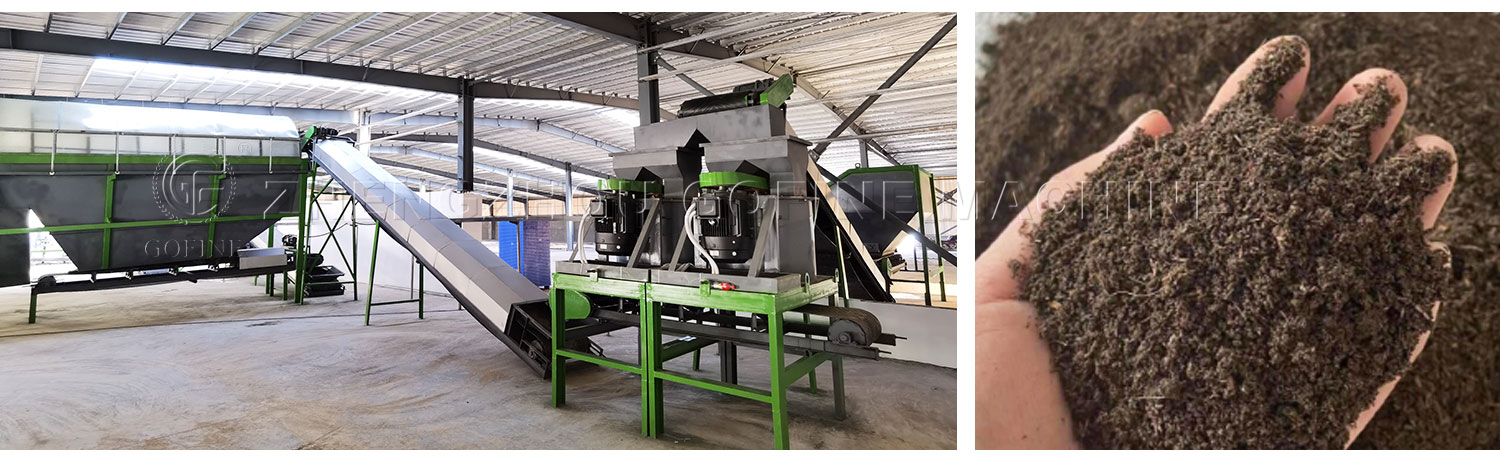
Powdered Organic Fertilizer Line (Entry-Level CapEx): Processing raw manure into a stabilized organic powder requires a streamlined equipment stack: a compost turner, a high-moisture material crusher, a horizontal mixer, a screening machine, and a bagging station. Because it bypasses thermal drying and pelletizing, a powder line requires significantly lower upfront capital and offers a faster setup timeline.
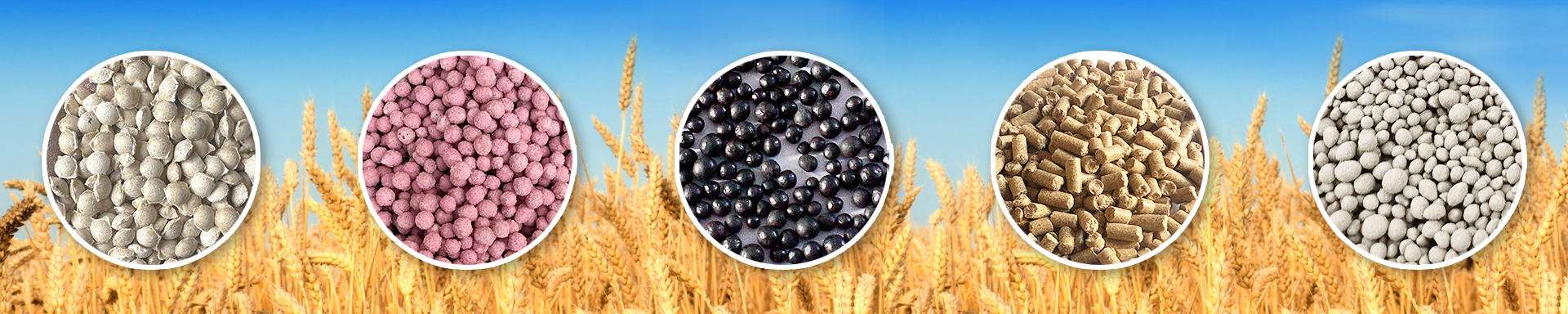
Granulated Organic Fertilizer Line (Commercial CapEx): Transforming composted powder into commercial 2–5 mm pellets requires adding specialized granulation machinery, rotary drying/cooling drums, a coating machine, and screening loops. While initial machinery costs are higher, granulated fertilizer commands a premium wholesale market price, offers longer shelf life, and opens up automated broadcast farming markets.
2. Capacity-Based Investment Tiers
Small-Scal (1–2 TPH): Ideal for livestock farm waste management or localized regional distribution.
Medium-Scale (3–5 TPH): The most popular commercial configuration for regional fertilizer producers, balancing reasonable capital outlay with high throughput.
Industrial-Scale (10+ TPH): Designed for large-scale municipal organic waste processing or multi-farm agricultural operations requiring continuous, high-efficiency output.
Section 2: Core Equipment Components and Price Drivers
The total machinery quote depends heavily on the technical specifications and build quality of each processing module:
Fermentation & Composting System: Self-propelled windrow turners carry lower civil pad setup costs, whereas indoor hydraulic groove-type turners require concrete trenching but optimize indoor floor space.
Crushing & Mixing Units: Processing abrasive organic waste requires high-chrome alloy hammers and wear-resistant liners in the crusher to prevent rapid component degradation.
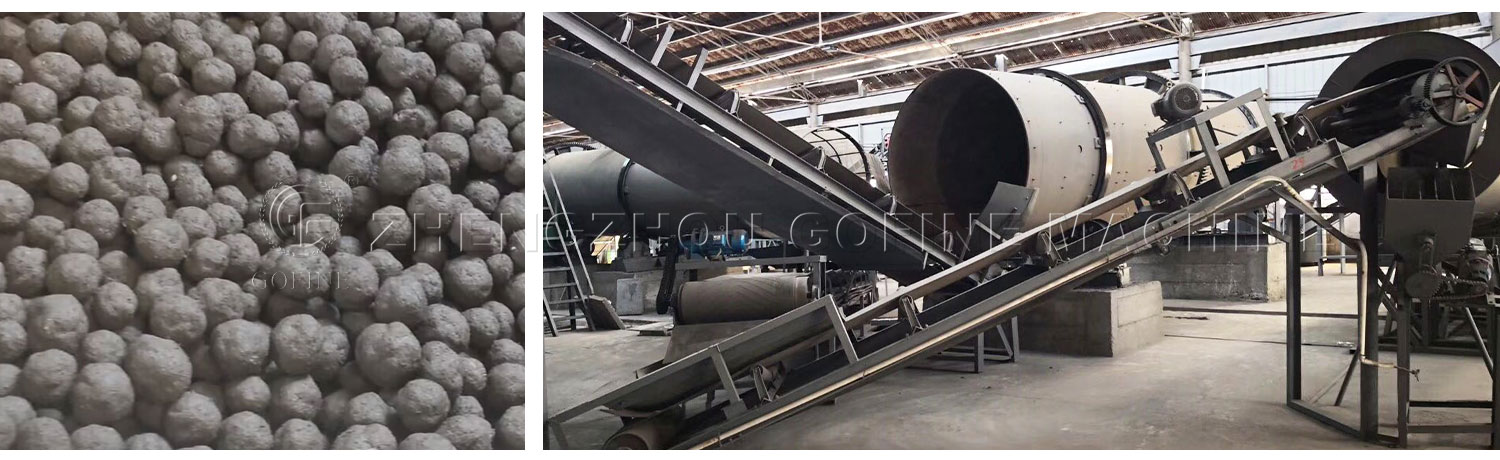
Granulation Machinery: Choosing between disc/pan granulators (low cost, simple operation), new-type wet granulators (high balling rate for organic matter), or dry double roller extruders (zero thermal drying costs) significantly impacts total capital outlay.
Drying, Cooling & Screening: For wet granulation lines, the burner type (diesel, natural gas, or biomass) and rotary drum thickness directly influence equipment longevity and thermal efficiency.
Section 3: Operational Expenditure (OpEx) & Hidden Costs
Building an accurate budget requires factoring in ongoing operational expenses alongside your initial machinery purchase:
Raw Material Sourcing & Pre-Treatment: Sourcing raw cattle dung, poultry litter, or agro-waste involves freight logistics. If raw slurry moisture exceeds 70%, integrating a solid-liquid separator upfront is necessary to reduce moisture before aerobic fermentation.
Energy & Fuel Consumption: Thermal drying drums on wet granulation lines consume natural gas, diesel, or coal. Opting for energy-efficient drives and proper heat insulation reduces monthly utility bills.
Labor Overhead vs. Automation: Integrating automated batching systems and central PLC control panels increases initial machinery cost slightly but replaces multiple manual laborers, drastically cutting long-term payroll overhead.
Site Civil Engineering & Shipping: Factoring in concrete pad preparation, reinforced fermentation trenching, workshop roofing, and ocean container freight avoids unexpected budget overruns.
Section 4: Return on Investment (ROI) and Payback Period
A commercial organic fertilizer production line offers strong profitability when properly managed:
Average Payback Timeline: Most commercial 3–5 TPH organic fertilizer plants achieve a full break-even point within 12 to 24 months of continuous operation, driven by growing retail demand for organic-certified inputs.
Phased Expansion Strategy: Investors with limited starting capital can begin with a dedicated powder processing setup. Once local distribution channels and cash flows stabilize, the facility can be upgraded by integrating a granulation, drying, and screening section to produce higher-margin pellets.
Section 5: Get Your Custom Factory Cost Estimation
Every organic waste project has unique raw material moisture profiles, throughput targets, and factory space constraints. To receive a detailed cost analysis, civil engineering layout blueprint, and direct equipment quotation tailored to your project, prepare the following details for our technical team:
Target Output: Preferred capacity in tons per hour (TPH) or daily waste volume (TPD).
Raw Material Profile: Waste type (cow manure, chicken litter, crop straw) and starting moisture content.
End Product Form: Organic powder or spherical/extruded granules.
Contact our engineering department today for custom project layout drawings and a factory-direct equipment quotation!
Related Content
Latest News
- High-Capacity Rotary Drum Granulator: The Core Solution for NPK & Compound Fertilizer Production
- Compound Fertilizer Cage Crusher with Screw Feeder | Non-Clogging Crusher
- Fertilizer Granulator Machines: Transforming Compost Powder into Premium Pelleted Fertilizer
- Diesel Semi-Wet Material Crusher: Heavy-Duty Solution for High-Moisture Waste Grinding
- Heavy-Duty 2.5m Disc Granulator for Mineral Fertilizer
- Towed Compost Turner: Heavy-Duty Solution for High-Volume Organic Fertilizer Production
- Stainless Steel Cow Bedding Recovery System: Convert Dairy Manure into Premium Bedding
- Turn Limestone Powder into Premium Mineral Fertilizer: Complete Granulation Production Lines