


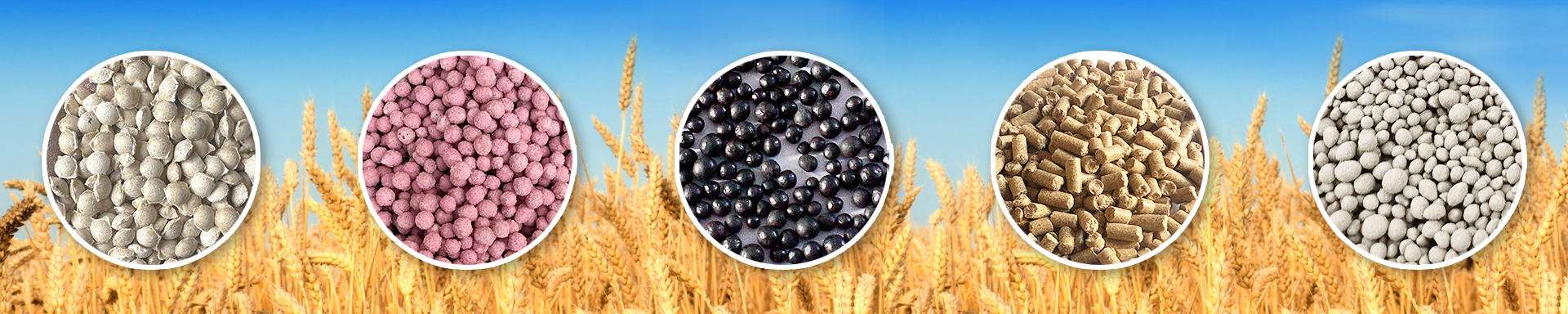
Top Rated Organic Fertilizer Production Line Eco Friendly Fertilizer Making Solution
Published on: 2026-04-24In the wave of global green agricultural transformation, organic fertilizer has become a core pillar supporting sustainable agriculture, thanks to its ability to improve soil quality, reduce environmental pollution, and enhance crop quality. A top rated organic fertilizer production line is the key to realizing large-scale, standardized, and eco-friendly organic fertilizer production, helping enterprises convert agricultural waste into high-value nutrients efficiently. This article will detail the core configuration, production process, eco-friendly features, and selection criteria of top rated organic fertilizer production lines, providing a comprehensive guide for investors, agricultural enterprises, and environmental protection practitioners looking for eco friendly fertilizer making solutions.
What Makes a Top Rated Organic Fertilizer Production Line Stand Out
A top rated organic fertilizer production line is not just a simple combination of equipment, but a systematic solution integrating efficiency, environmental protection, intelligence, and stability. Unlike ordinary production lines, it has obvious advantages in technology, equipment, and environmental protection, which can meet the high standards of modern organic fertilizer production and gain recognition from the market and industry. The core characteristics of top rated products are reflected in the following aspects:
1. High Efficiency and Stable Production Capacity
Top rated organic fertilizer production lines adopt continuous operation mode, integrating all processes from raw material pretreatment to finished product packaging, which greatly improves production efficiency. The daily output of a single production line can reach 50-200 tons, and the annual output can be customized from 10000 tons to 600000 tons according to actual needs, meeting the production needs of small and medium-sized farms and large-scale organic fertilizer factories alike. The key equipment is equipped with advanced drive systems and precision components, with stable operation, low failure rate, and the production efficiency is 30% higher than that of ordinary production lines, effectively reducing production costs and improving market competitiveness.
2. Strict Eco-Friendly Standards Compliance
Eco-friendliness is the core label of top rated organic fertilizer production lines. The whole production process adopts closed design to avoid exhaust gas, wastewater, and solid waste leakage. The biofilter deodorization system can remove more than 95% of harmful gases such as ammonia and hydrogen sulfide, ensuring that the exhaust gas meets international emission standards. The solid-liquid separation technology realizes waste recycling: the treated liquid can be used for irrigation, and the solid residue can be reused as raw material, realizing a "zero waste" production mode and effectively controlling agricultural non-point source pollution. At the same time, the production line adopts low-energy consumption equipment and energy-saving technology, which can reduce energy consumption by 30%-40% compared with traditional production lines, conforming to the concept of green development.
3. Intelligent Control and Easy Operation
With the development of digital technology, top rated organic fertilizer production lines are all equipped with intelligent central control systems, which can realize real-time monitoring and automatic adjustment of the whole production process. The PLC control system and touch screen operation interface make the operation simple and easy to learn, and only a few operators are needed to complete the whole production process. The intelligent monitoring system can collect 12-20 key parameters such as fermentation temperature, humidity, granulation strength, and raw material flow in real time, and adjust the process parameters remotely through the cloud platform or mobile APP, which not only ensures the stability of product quality but also reduces manual intervention and labor costs. Some advanced production lines also have AI fault early warning function, which can predict equipment faults 72 hours in advance and reduce shutdown losses by more than 30%.
4. High Product Quality and Strong Adaptability
Top rated organic fertilizer production lines are equipped with online testing equipment to monitor fermentation effect, nutrient content, and heavy metal content in real time, ensuring that the finished organic fertilizer meets international and national standards. The organic matter content of the finished product is not less than 40%, the effective viable bacteria count is not less than 200 million cfu per gram, and the heavy metal content is far lower than the standard limit, which can effectively improve soil fertility and crop quality. In addition, the production line has strong adaptability and can process a variety of organic raw materials, including livestock and poultry manure, crop straw, municipal sludge, mushroom residue, kitchen waste, etc., and can adjust process parameters according to different raw materials and product requirements to produce specialized organic fertilizer suitable for different crops such as fruits, vegetables, and grains.
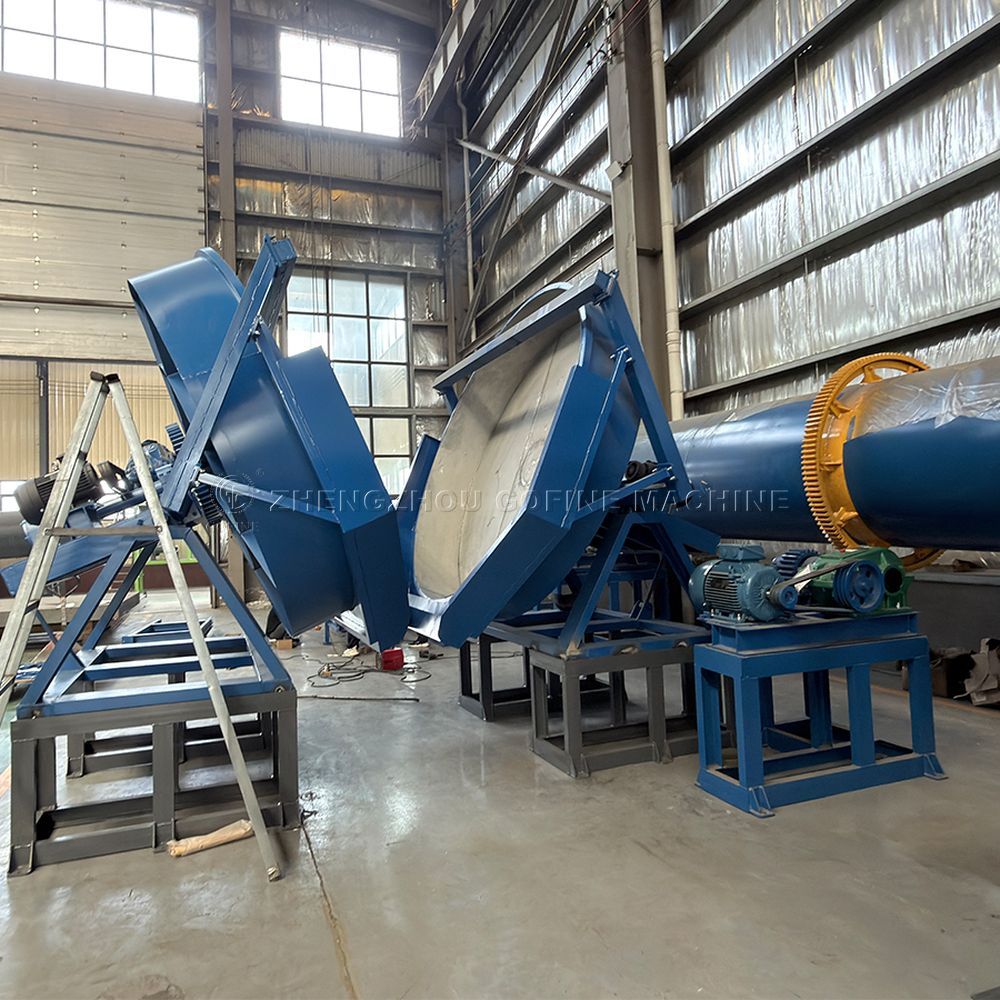
Core Configuration of Top Rated Organic Fertilizer Production Line
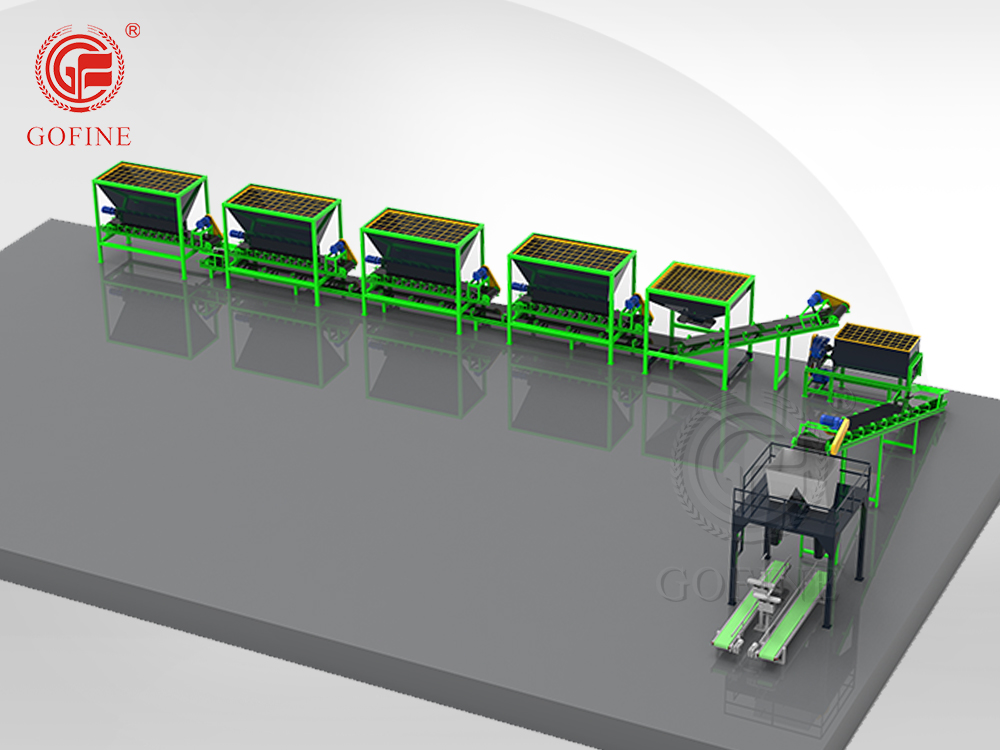
A complete top rated organic fertilizer production line is composed of multiple functional equipment, each of which undertakes a key link in the production process, and the coordination between equipment directly affects the production efficiency and product quality. The core configuration is mainly divided into five parts: raw material pretreatment system, fermentation system, granulation system, drying and cooling system, and finished product packaging system. Each part is equipped with high-quality equipment to ensure the stability and efficiency of the whole production line.
1. Raw Material Pretreatment System
The raw material pretreatment is the first link of organic fertilizer production, which directly affects the fermentation effect. The core equipment of this system includes a crusher, mixer, and screening machine. The crusher is used to crush large-particle raw materials such as crop straw and livestock and poultry manure into 2-5cm particles, which is convenient for microbial decomposition. The mixer can fully mix different raw materials according to the ratio of carbon to nitrogen (25-30:1 is the best), and add microbial agents, regulators, etc., to ensure the uniformity of raw materials. The screening machine is used to remove impurities such as stones and plastics in the raw materials, ensuring the purity of the raw materials. Top rated production lines usually adopt high-efficiency crushers and precision mixers, with uniform crushing and mixing effect, which lays a solid foundation for subsequent fermentation.
2. Fermentation System
Fermentation is the core link of organic fertilizer production, which is to convert organic waste into stable organic matter through the decomposition of microorganisms. The core equipment of this system includes a fermentation tank (or compost turner) and a temperature control system. Top rated production lines usually adopt intelligent horizontal fermentation tanks or high-efficiency compost turners. The horizontal fermentation tank adopts a sandwich water ring temperature control system, with a temperature control accuracy of ±1℃, which can shorten the fermentation cycle of high-humidity raw materials (water content 65%) to 7-10 days, 20% shorter than the industry average. The compost turner adopts frequency conversion speed regulation and hydraulic lifting structure, with a turning depth of 0.8-1.2 meters and a uniformity of more than 95%, solving the problem of incomplete local fermentation in traditional fermentation equipment. The temperature control system can real-time monitor and adjust the fermentation temperature, keep the temperature at 55-70℃ for a certain time, effectively kill pathogenic bacteria, insect eggs, and weed seeds in the raw materials, and ensure the safety of the finished product.
3. Granulation System
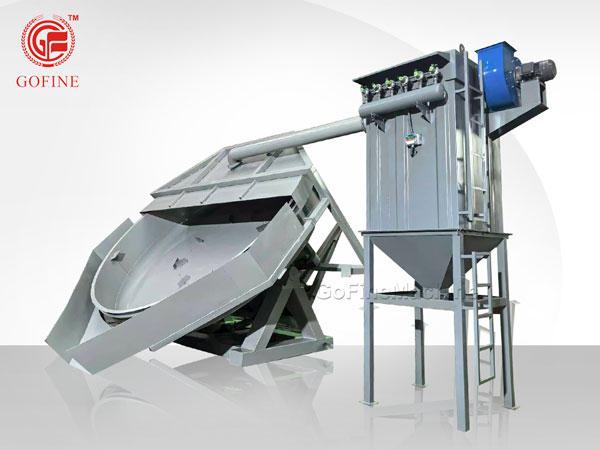
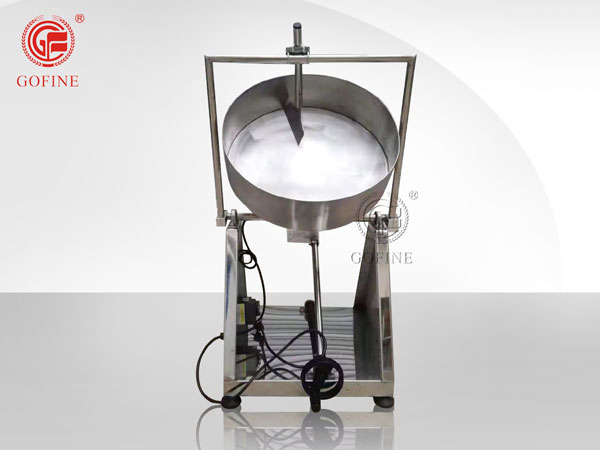
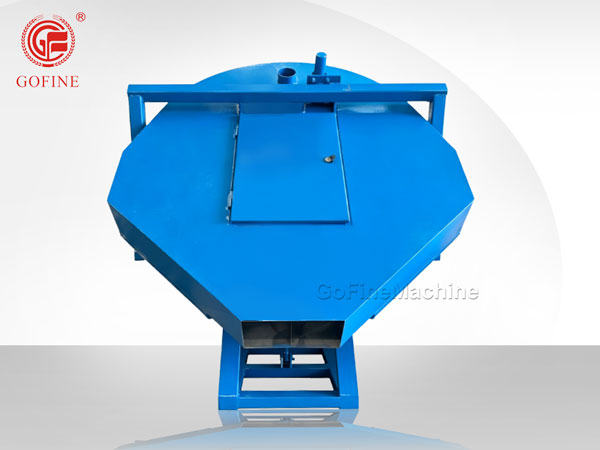
Granulation is to process the fermented organic matter into uniform particles, which is convenient for storage, transportation, and application. The core equipment of this system includes granulators (disc granulator, roller granulator, etc.) and a pelletizing aid adding device. Top rated production lines adopt high-efficiency granulators with advanced structural design, which can ensure that the particle formation rate is more than 92% (the industry average is 85%), and the particle strength is up to 25N (the national standard is 15N), reducing the return rate to less than 5%. Some production lines also adopt non-drying granulation technology, which can reduce energy consumption by 40% compared with traditional drying granulation, and is more energy-saving and environmentally friendly. The pelletizing aid adding device can add appropriate pelletizing aids according to the characteristics of raw materials, improving the granulation effect and particle quality.
4. Drying and Cooling System
After granulation, the organic fertilizer particles have high water content and temperature, which need to be dried and cooled to meet the storage requirements. The core equipment of this system includes a dryer, cooler, and dust removal equipment. The dryer adopts low-energy consumption drum drying technology, which can quickly reduce the water content of particles to below 15% (the standard storage water content) while ensuring that the nutrients of organic fertilizer are not lost. The cooler uses natural wind or forced cooling technology to cool the dried particles to room temperature, avoiding moisture regain of particles during storage. The dust removal equipment (bag type dust remover, cyclone dust remover, etc.) can collect the dust generated during the drying and cooling process, prevent dust pollution, and realize clean production.
5. Finished Product Packaging System
The finished product packaging system is the last link of production, which is used to package the qualified organic fertilizer particles into standard specifications for storage and transportation. The core equipment of this system includes an automatic weighing machine, packaging machine, and conveyor. Top rated production lines adopt fully automatic packaging equipment, which can realize automatic weighing, bagging, sealing, and conveying, with high packaging accuracy (error ≤±0.1%) and fast packaging speed, which can greatly improve packaging efficiency and reduce labor costs. The packaging machine can be adjusted according to different packaging specifications (25kg, 50kg, etc.) to meet the different needs of the market. At the same time, the system is equipped with a quality inspection link to screen out unqualified particles and ensure the quality of finished products leaving the factory.
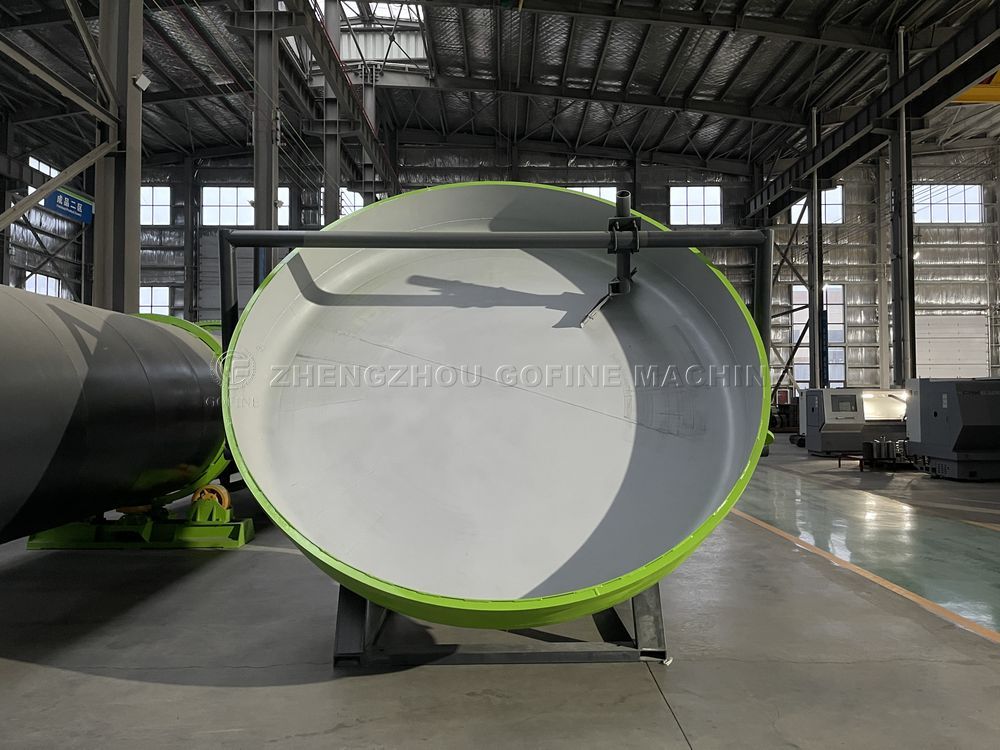
Eco Friendly Fertilizer Making Process: From Waste to Treasure
The top rated organic fertilizer production line adheres to the concept of "circular economy" and realizes the recycling of organic waste through a scientific and standardized production process, turning "waste" into "black gold" that nourishes the soil. The whole production process is green and environmentally friendly, without secondary pollution, and fully conforms to the requirements of sustainable agricultural development. The specific production process is as follows:
Step 1: Raw Material Collection and Sorting
Collect organic raw materials such as livestock and poultry manure, crop straw, municipal sludge, and kitchen waste, and sort them to remove large impurities such as stones, plastics, and metals, so as to avoid affecting the operation of equipment and the quality of finished products. At the same time, classify the raw materials according to their types and properties, which is convenient for subsequent ratio adjustment.
Step 2: Pretreatment and Ratio Adjustment
Crush the sorted raw materials into small particles through a crusher, then transport them to a mixer, and mix them with microbial agents, straw powder, and other regulators according to a certain ratio to adjust the carbon-nitrogen ratio and water content of the raw materials (the water content is controlled at 50%-60%, which is suitable for microbial growth and reproduction). The pretreatment process can improve the contact area between raw materials and microorganisms, accelerate the fermentation speed.
Step 3: High-Temperature Aerobic Fermentation
Transport the pretreated raw materials to the fermentation tank or fermentation site, and start the compost turner for regular turning to provide sufficient oxygen for microbial growth. Under the action of aerobic microorganisms, the raw materials undergo high-temperature fermentation, and the temperature gradually rises to 55-70℃, which can effectively kill pathogenic bacteria, insect eggs, and weed seeds in the raw materials. The fermentation cycle is 7-15 days, and the raw materials are turned over 2-3 times a day during the fermentation process to ensure uniform fermentation. After fermentation, the raw materials become dark brown, loose, and have no peculiar smell, forming semi-finished organic fertilizer with stable properties.
Step 4: Granulation and Shaping
Transport the fermented semi-finished products to the granulator, and add an appropriate amount of pelletizing aids to make the semi-finished products form uniform particles under the action of the granulator. The type of granulator can be selected according to the needs of product particles (round, cylindrical, etc.). The granulation process not only improves the convenience of storage and transportation but also reduces the loss of nutrients during use.
Step 5: Drying, Cooling and Screening
The granulated particles are transported to the dryer to reduce the water content to below 15%, then transported to the cooler to cool to room temperature, and finally screened by the screening machine to remove unqualified particles (too large or too small). The unqualified particles are crushed again and re-granulated, realizing the recycling of materials and reducing waste.
Step 6: Quality Inspection and Packaging
The qualified particles after screening are sent to the quality inspection link to detect indicators such as organic matter content, effective viable bacteria count, and heavy metal content. Only the products that meet the national and international standards can enter the packaging link. The packaging machine automatically weighs and packages the qualified products, and pastes labels (indicating product name, nutrient content, production date, shelf life, etc.), then transports them to the warehouse for storage and sale.
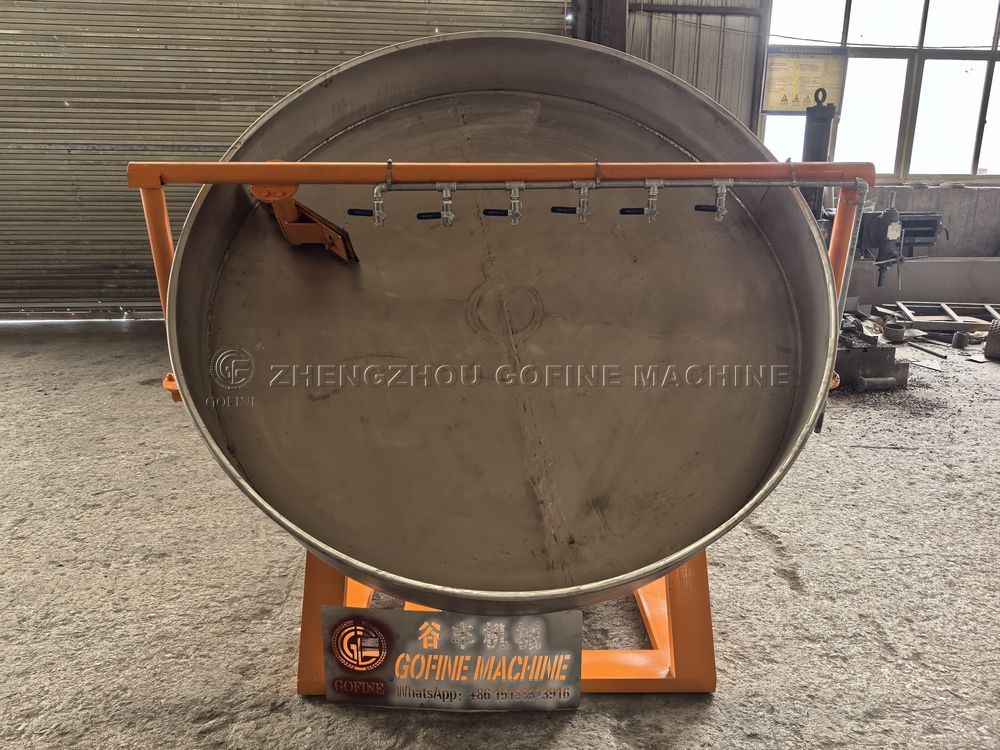
Why Choose a Top Rated Organic Fertilizer Production Line
With the increasing emphasis on green agriculture and environmental protection, the demand for organic fertilizer is growing day by day, and the choice of a high-quality production line is crucial for enterprises to gain a foothold in the market. Compared with ordinary organic fertilizer production lines, top rated products have obvious advantages in cost, efficiency, quality, and environmental protection, bringing more benefits to enterprises and society.
1. Reduce Production Costs and Improve Profit Margins
Top rated organic fertilizer production lines have high production efficiency, low failure rate, and low energy consumption, which can effectively reduce labor costs, energy costs, and maintenance costs. At the same time, the production line can realize the recycling of organic waste, reduce the cost of raw materials, and improve the profit margin of products. For example, the non-drying granulation technology adopted by some top rated production lines can reduce energy consumption by 40%, and the intelligent control system can reduce manual intervention by 60%, greatly reducing production costs.
2. Ensure Product Quality and Enhance Market Competitiveness
The top rated production line adopts advanced technology and equipment, and has strict quality control links in the whole production process, ensuring that the finished organic fertilizer meets the high standards of the market. High-quality organic fertilizer is more popular among farmers and agricultural enterprises, which can help enterprises establish a good brand image and enhance market competitiveness. At the same time, the production line can produce customized products according to the needs of different regions and crops, expanding the market scope.
3. Comply with Environmental Protection Policies and Avoid Policy Risks
Nowadays, countries around the world have put forward strict requirements for environmental protection, and the production of organic fertilizer must comply with environmental protection standards. Top rated organic fertilizer production lines adopt closed production, waste recycling, and other environmental protection technologies, which can meet the emission standards of exhaust gas, wastewater, and solid waste, and avoid policy risks such as fines and shutdowns caused by environmental pollution. At the same time, the production line conforms to the national policy of promoting agricultural waste recycling and can enjoy relevant policy support and subsidies.
4. Promote Circular Economy and Achieve Sustainable Development
The top rated organic fertilizer production line converts agricultural waste, municipal sludge, and other wastes into high-value organic fertilizer, realizing the recycling of resources, reducing environmental pollution, and promoting the development of circular economy. This not only brings economic benefits to enterprises but also brings social and environmental benefits, helping to achieve the goal of sustainable agricultural development and win social recognition and support.
How to Select a Top Rated Organic Fertilizer Production Line
There are many organic fertilizer production line manufacturers on the market, and the quality and performance of products vary greatly. To select a top rated organic fertilizer production line, we need to comprehensively consider multiple factors, avoid being misled by low prices, and choose a product that is suitable for our own needs and has reliable quality. The specific selection criteria are as follows:
1. Check the Manufacturer's Qualifications and Strength
Priority should be given to manufacturers with high qualifications, such as high-tech enterprises, ISO9001 quality system certification, and CE certification (for export products). At the same time, understand the manufacturer's production scale, R&D strength, and number of patents, and choose manufacturers with independent R&D capabilities and mature production technology. For example, some well-known manufacturers have their own R&D teams and production bases, with a high self-made rate of key equipment (≥95%), which can ensure the stability and reliability of the production line.
2. Evaluate the Equipment Quality and Technical Level
The quality of equipment is the key to the stable operation of the production line. When selecting, we should check the quality of key components (such as motors, reducers, and bearings) and the advanced nature of the technology. For example, whether the fermentation system has an intelligent temperature control function, whether the granulation system has a high particle formation rate, and whether the control system is intelligent and easy to operate. At the same time, understand the service life of the equipment and the frequency of maintenance, and choose equipment with long service life and low maintenance cost.
3. Consider the Adaptability to Raw Materials and Production Needs
Different regions have different types and quantities of organic raw materials, and different enterprises have different production scales and product requirements. When selecting a production line, we should consider whether it can adapt to the local organic raw materials (such as livestock and poultry manure, crop straw, etc.) and whether it can meet the production scale and product specifications. For example, if the main raw material is high-humidity straw, we should choose a production line with a professional horizontal fermentation tank to ensure the fermentation effect; if we need large-scale production, we should choose a production line with high capacity and stable operation.
4. Pay Attention to After-Sales Service and Case Experience
The after-sales service of the production line is very important, which is related to the normal operation of the production line and the solution of faults in time. When selecting, we should understand the after-sales service system of the manufacturer, such as whether there is a 24-hour after-sales service hotline, whether there is a professional after-sales team, and the response time of after-sales service (preferably ≤3 hours). At the same time, check the manufacturer's successful cases, especially the cases of the same raw materials and production scale, to understand the actual operation effect of the production line and the user's evaluation, which can more intuitively reflect the quality and performance of the product.
5. Balance Cost and Performance
Price is an important factor in selecting a production line, but we should not only pursue low prices and ignore quality. We should balance cost and performance, choose products with high cost performance. Generally speaking, the price of top rated organic fertilizer production lines is slightly higher than that of ordinary production lines, but their production efficiency, product quality, and service life are better, which can bring more long-term benefits to enterprises. It is recommended to conduct on-site inspections of multiple manufacturers, compare the quality, technology, and price of products, and make a reasonable choice.
Conclusion
A top rated organic fertilizer production line is the core driving force for the development of the organic fertilizer industry, which integrates efficiency, environmental protection, intelligence, and stability, and can help enterprises realize large-scale, standardized, and green production of organic fertilizer. With the continuous development of green agriculture, the demand for top rated organic fertilizer production lines will continue to grow. By understanding the core configuration, production process, advantages, and selection criteria of the production line, enterprises can choose a suitable eco friendly fertilizer making solution, convert organic waste into high-value resources, and achieve win-win economic, social, and environmental benefits.
Whether you are an investor who wants to enter the organic fertilizer industry, an agricultural enterprise that needs to upgrade its production equipment, or an environmental protection enterprise that engages in organic waste treatment, choosing a top rated organic fertilizer production line is a wise choice to realize sustainable development.
Related Content
Latest News
- Crawler Compost Turner: Remote Control & Cab Models | Factory Direct
- Stainless Steel Disc Granulator for Bentonite Cat Litter Production Line
- Heavy-Duty Pan Granulator: Unique Rotary Scraper Design for Maximum Disc Area Utilization
- Mobile Lab Mini Briquette Press: 5mm Explosion-Proof Roll Compactor for Chemical & Fertilizer R&
- Custom Bar-Type Double Roller Extrusion Granulator: High-Yield Production of Irregular Strip Granule
- Custom Double Roller Extrusion Granulator | Dust-Free Roller Compactor
- High-Capacity Rotary Drum Granulator: The Core Solution for NPK & Compound Fertilizer Production
- Compound Fertilizer Cage Crusher with Screw Feeder | Non-Clogging Crusher