


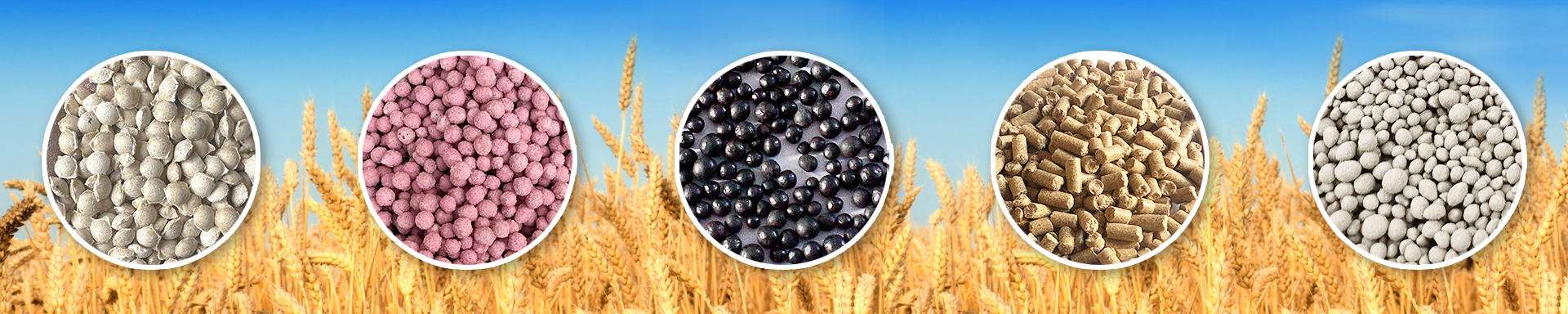
Professional Inorganic Production Line Custom Design and One Stop Service
Published on: 2026-04-25In the global industrial fertilizer market, the demand for high-efficiency, standardized, and tailored inorganic fertilizer production solutions is growing rapidly. Professional inorganic production lines are the core equipment for industrial-grade inorganic fertilizer manufacturing, and custom design combined with one-stop service has become the key to helping enterprises solve production pain points, improve production efficiency, and gain market competitiveness. Unlike ordinary production lines, professional inorganic production lines focus on customization to adapt to different raw materials, output scales, and product requirements, while one-stop service covers the entire process from design, installation, commissioning to after-sales support, eliminating the troubles of multi-party coordination for enterprises. This article will comprehensively elaborate on the core value, custom design highlights, one-stop service process, equipment configuration, and selection tips of professional inorganic production lines, integrating high-frequency Google SEO keywords to provide a comprehensive guide for global fertilizer manufacturers, chemical enterprises, and industrial investors.
Why Choose Professional Inorganic Production Line With Custom Design & One-Stop Service
Inorganic fertilizer production has strict requirements on raw material adaptability, production efficiency, product quality, and environmental compliance. Ordinary standardized production lines often fail to meet the personalized needs of enterprises, leading to problems such as low production efficiency, high waste rate, and difficulty in complying with local environmental standards. Professional inorganic production lines with custom design and one-stop service solve these pain points, and their core advantages are reflected in four aspects, which are also the key reasons for being favored by global industrial users.
1. Custom Design Adapts to Diverse Industrial Needs
Every enterprise has unique production conditions: different raw material types (such as urea, potassium chloride, phosphate rock, industrial by-products), output requirements (from 10,000 tons to 600,000 tons per year), product specifications (NPK compound fertilizer, single-element fertilizer, granular or powdered fertilizer), and local environmental emission standards. Professional inorganic production lines adopt modular custom design, which can be flexibly adjusted according to the enterprise’s actual needs. For example, for enterprises using high-humidity industrial by-products as raw materials, the design will add a high-efficiency drying system; for enterprises with small factory space, a compact layout design will be adopted; for enterprises focusing on high-concentration NPK fertilizer production, the batching system will be upgraded to ensure precise nutrient ratio control (error ≤ 0.1%). This personalized design ensures that the production line perfectly matches the enterprise’s production needs, avoiding the waste of equipment investment and improving production efficiency by 30% compared with standardized production lines.
2. One-Stop Service Saves Time, Effort and Cost
The production of professional inorganic production lines involves multiple links such as design, equipment manufacturing, installation, commissioning, personnel training, and after-sales maintenance. If enterprises coordinate multiple suppliers separately, it will not only take a long time but also easily lead to inconsistencies between equipment and processes, resulting in delays in production and increased costs. The one-stop service of professional inorganic production lines integrates all links, with a professional team responsible for the whole process. From the initial on-site investigation and program design to the final equipment commissioning and personnel training, enterprises only need to cooperate with a single service provider, which shortens the project cycle by 40% and reduces the coordination cost by 50%. At the same time, the one-stop service ensures the consistency of equipment and processes, reducing the failure rate of the production line and ensuring stable operation.
3. High Professionalism Ensures Product Quality and Environmental Compliance
Professional inorganic production lines are designed and manufactured by teams with rich industry experience, strictly complying with international industrial standards (ISO 9001, CE certification) and local environmental protection requirements. The custom design will fully consider the characteristics of inorganic fertilizer production, such as precise batching, efficient granulation, and clean production. The granulation rate of the production line can reach more than 92%, the finished product qualification rate is as high as 98%, and the nutrient content is stable, which can meet the needs of different crops and markets. In terms of environmental protection, the production line is equipped with a complete dust removal, deodorization, and wastewater treatment system, which can reduce dust and exhaust gas emissions by more than 95%, ensuring compliance with environmental emission standards in Europe, America, Southeast Asia, and other regions, helping enterprises avoid policy risks such as fines and shutdowns.
4. Long-Term Cost-Effectiveness and Scalability
Although the initial investment of professional inorganic production lines with custom design is slightly higher than that of ordinary production lines, their long-term cost-effectiveness is more prominent. The custom design avoids redundant equipment investment, and the energy-saving technology adopted (such as frequency conversion motors, waste heat recovery systems) can reduce energy consumption by 30%-40% per ton of products, and the intelligent control system reduces manual intervention, saving 60% of labor costs. In addition, the production line adopts a modular structure, which can be flexibly upgraded according to the enterprise’s development needs. When the output needs to be expanded or the product type needs to be adjusted, there is no need to replace the entire production line, only the corresponding modules need to be added or modified, which greatly reduces the long-term investment cost of enterprises and meets their sustainable development needs.
Core Highlights of Professional Inorganic Production Line Custom Design
Custom design is the core competitiveness of professional inorganic production lines, which is not a simple adjustment of equipment specifications, but a comprehensive optimization based on the enterprise’s actual production conditions, market demand, and policy requirements. The core highlights of custom design are mainly reflected in five aspects, covering the entire production process and ensuring that the production line is efficient, stable, and compliant.
1. Raw Material Adaptability Customization
Inorganic fertilizer raw materials are diverse, including chemical raw materials (urea, ammonium nitrate, monoammonium phosphate, diammonium phosphate, potassium chloride, potassium sulfate) and industrial by-products (phosphogypsum, ammonium sulfate by-products). Different raw materials have different physical and chemical properties (humidity, particle size, corrosion, etc.), which require targeted design of the production line. For example, for corrosive raw materials (such as phosphate rock), the equipment will be made of corrosion-resistant materials (304 stainless steel) to extend the service life of the equipment; for high-humidity raw materials (water content ≥ 60%), a pre-drying module and a horizontal fermentation tank (if mixed with organic raw materials) will be added to ensure the smooth progress of subsequent processes; for raw materials with uneven particle size, a high-efficiency crushing and screening system will be configured to ensure the uniformity of raw materials and lay a foundation for subsequent granulation. This customization ensures that the production line can stably process various raw materials, reducing the restriction of raw material supply on production.
2. Output and Layout Customization
Enterprises of different scales have very different output requirements. Professional inorganic production lines can provide customized design according to the annual output (10,000 tons, 50,000 tons, 100,000 tons, 600,000 tons, etc.). For small and medium-sized enterprises with an annual output of 10,000-50,000 tons, a compact modular production line is designed, which occupies a small area and has low investment, meeting the needs of small-scale production; for large-scale enterprises with an annual output of more than 100,000 tons, a large-scale continuous production line is adopted, with a daily output of up to 200 tons, realizing 24-hour continuous operation and meeting large-scale industrial production needs. At the same time, the layout design will be carried out according to the enterprise’s factory area, terrain, and water and electricity conditions, optimizing the process flow, reducing the transportation distance of materials, and improving production efficiency. For enterprises with limited factory space, a three-dimensional layout can be adopted to maximize the use of space.
3. Product Specification Customization
The market demand for inorganic fertilizer is diverse, and different regions and crops have different requirements for product specifications (nutrient ratio, particle size, shape, etc.). Professional inorganic production lines can realize customized production of various product specifications through process adjustment and equipment configuration. For example, according to the soil nutrient status and crop needs in different regions, the batching system can be adjusted to produce NPK compound fertilizer with different nutrient ratios (such as 15-15-15, 20-10-10); according to the application method (mechanical sowing, manual sowing), the granulation system can be customized to produce granular fertilizer (particle size 2-5mm) or powdered fertilizer; for the export market, the packaging system can be adjusted to meet the packaging specifications of different countries (25kg, 50kg, bulk packaging) and label requirements (multilingual labels, nutrient content indicators). This customization helps enterprises adapt to market changes and expand market share.
4. Automation and Intelligence Customization
With the development of industrial intelligence, more and more enterprises pursue automated and intelligent production to reduce labor costs and improve production stability. Professional inorganic production lines can provide customized automation and intelligence solutions according to the enterprise’s budget and needs. For enterprises with high automation needs, a full-intelligent central control system (PLC/DCS control) is configured, which can realize real-time monitoring and automatic adjustment of the whole production process (raw material feeding, batching, granulation, drying, packaging). The system can collect key parameters (temperature, humidity, flow rate, nutrient content) in real time, and adjust process parameters remotely through the cloud platform or mobile APP, realizing unmanned operation of the production line to a certain extent. For enterprises with limited budget, a semi-automatic system is adopted, which balances automation and cost, reducing manual intervention while ensuring production flexibility.
5. Environmental Protection Customization
Different countries and regions have different environmental protection emission standards, which is an important factor that enterprises must consider when building inorganic fertilizer production lines. Professional inorganic production lines can carry out targeted environmental protection customization according to local environmental protection requirements. For regions with strict dust emission requirements, a multi-stage dust removal system (cyclone dust remover + bag-type dust remover + water curtain dust remover) is configured to ensure that the dust emission concentration is lower than the local standard; for regions with strict exhaust gas treatment requirements, a biofilter deodorization system is added to remove harmful gases such as ammonia and hydrogen sulfide; for regions with strict wastewater discharge requirements, a wastewater collection and treatment system is designed to realize the recycling of wastewater (reused for irrigation or equipment cleaning), achieving zero wastewater discharge. This customization helps enterprises comply with local environmental protection policies and avoid policy risks.
One-Stop Service Process of Professional Inorganic Production Line
The one-stop service of professional inorganic production lines covers the entire life cycle of the production line, from the initial consultation to the long-term after-sales maintenance, providing enterprises with all-round support, eliminating the troubles of multi-party coordination, and ensuring the smooth progress of the project and stable operation of the production line. The specific service process is divided into six stages, each stage is closely linked to ensure high efficiency and high quality.
1. Pre-Sales Consultation and On-Site Investigation
The one-stop service starts with pre-sales consultation. The professional team will communicate with the enterprise in detail to understand the enterprise’s production needs (output, product specifications, raw material types), factory conditions (area, terrain, water and electricity), budget, and local environmental protection standards. After clarifying the needs, the team will send professional engineers to the enterprise’s factory for on-site investigation, collect detailed data (factory size, water and electricity supply, raw material storage conditions, etc.), and provide a preliminary feasibility analysis report for the enterprise, laying a foundation for the subsequent custom design. During this stage, the team will also answer the enterprise’s questions about the production line (equipment performance, production process, investment cost, return cycle, etc.) to help the enterprise make an informed decision.
2. Custom Design and Program Confirmation
Based on the pre-sales consultation and on-site investigation, the professional design team will formulate a personalized production line design plan for the enterprise, including equipment configuration, process flow, layout design, automation level, and environmental protection system configuration. The design plan will fully consider the enterprise’s needs and budget, and optimize the plan from the aspects of production efficiency, cost control, and compliance. After the design plan is completed, the team will communicate with the enterprise in detail, explain the details of the plan (equipment parameters, process advantages, investment budget, project cycle), and modify and improve the plan according to the enterprise’s opinions until the enterprise confirms the final plan. This stage ensures that the design plan is fully in line with the enterprise’s actual needs and expectations.
3. Equipment Manufacturing and Quality Inspection
After the design plan is confirmed, the professional manufacturing team will start the production and manufacturing of the equipment. The equipment is manufactured in strict accordance with the design plan and international industrial standards, using high-quality materials and components (such as 304 stainless steel, frequency conversion motors, precision sensors) to ensure the quality and service life of the equipment. During the manufacturing process, the quality inspection team will conduct strict quality inspection on each link (raw material inspection, processing inspection, assembly inspection) to ensure that the equipment meets the design standards and performance requirements. After the equipment manufacturing is completed, a comprehensive test run will be carried out to test the stability and performance of the equipment, and the unqualified parts will be adjusted and replaced in time to ensure that the equipment can be put into use normally after delivery.
4. On-Site Installation and Commissioning
After the equipment is manufactured and qualified, the professional installation team will transport the equipment to the enterprise’s factory and carry out on-site installation according to the layout design plan. The installation team has rich on-site installation experience, which can ensure the installation accuracy and efficiency, and avoid installation errors leading to equipment failure. After the installation is completed, the team will carry out on-site commissioning, adjust the process parameters (batching ratio, granulation speed, drying temperature, etc.), test the whole production line, and ensure that the production line can operate stably, the product quality meets the requirements, and the environmental emission meets the local standards. During the commissioning process, the team will also solve the problems encountered in time to ensure the smooth commissioning of the production line.
5. Personnel Training and Technical Guidance
To ensure that the enterprise’s staff can operate the production line proficiently, the professional team will provide targeted personnel training services. The training content includes equipment operation, daily maintenance, fault handling, safety precautions, and process parameters adjustment. The training method adopts a combination of theoretical explanation and on-site operation, ensuring that each operator can master the relevant skills. After the training, the team will conduct an assessment to ensure that the operators can operate the production line independently. In addition, the team will provide long-term technical guidance, answer the enterprise’s technical questions at any time, and provide technical support for the stable operation of the production line.
6. After-Sales Maintenance and Follow-Up Support
The one-stop service does not end with the commissioning of the production line. The professional after-sales team will provide long-term after-sales maintenance services to ensure the stable operation of the production line. The after-sales service includes regular on-site inspection (quarterly, semi-annually), equipment maintenance guidance, spare parts supply, and fault emergency handling. The team has a 24-hour after-sales service hotline, and can respond to the enterprise’s fault feedback within 3-6 hours (depending on the region), and send professional engineers to the site to solve the problem if necessary, reducing the production loss caused by equipment failure. In addition, the team will follow up the operation of the production line regularly, understand the enterprise’s new needs, and provide relevant optimization suggestions to help the enterprise improve production efficiency and reduce costs continuously.
Core Equipment Configuration of Professional Inorganic Production Line
The professional inorganic production line is composed of multiple functional equipment modules, and the equipment configuration is customized according to the enterprise’s needs. However, the core equipment modules are basically the same, covering the entire production process from raw material pretreatment to finished product packaging. Each core equipment has high professionalism and stability, ensuring the efficient operation of the production line. The core equipment configuration is mainly divided into six parts.
1. Raw Material Pretreatment Equipment
The raw material pretreatment is the foundation of inorganic fertilizer production, which directly affects the subsequent production efficiency and product quality. The core equipment includes a crusher, screening machine, and pre-dryer. The crusher is used to crush large-particle raw materials (such as phosphate rock, potassium chloride, industrial by-products) into particles with a diameter of 2-5mm, which is convenient for subsequent batching and granulation; the screening machine is used to remove impurities such as stones and metals in the raw materials, ensuring the purity of the raw materials and avoiding damage to subsequent equipment; the pre-dryer is used to reduce the water content of high-humidity raw materials to 50%-60%, ensuring the smooth progress of subsequent batching and granulation. The pretreatment equipment is customized according to the type and properties of raw materials, ensuring high efficiency and stability.
2. Batching and Mixing Equipment
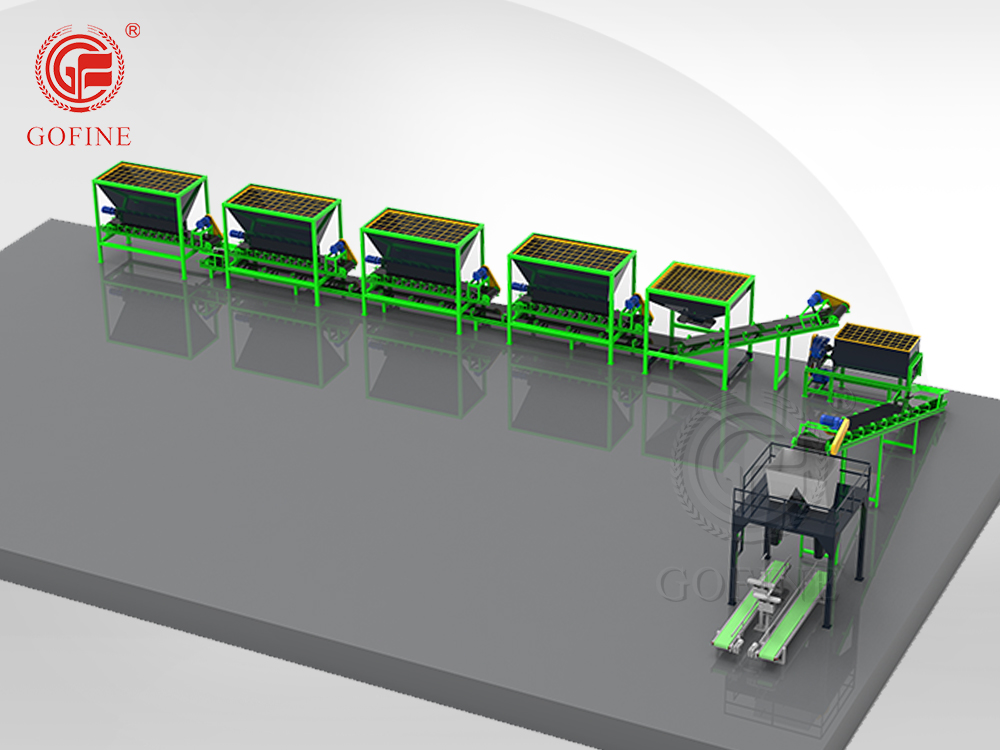
The batching and mixing link is the key to ensuring the uniform nutrient content of inorganic fertilizer. The core equipment includes a quantitative feeder and a high-efficiency mixer. The quantitative feeder can accurately control the feeding amount of each raw material according to the preset formula, with a batching accuracy of ±0.1%, ensuring the stability of product nutrient content; the mixer adopts a double-helix or horizontal mixing structure, with a mixing time of 5-8 minutes and a mixing uniformity of more than 95%, which can fully mix various raw materials and additives (binders, anti-caking agents), avoiding local nutrient imbalance. For enterprises with high automation needs, the batching and mixing system can be connected to the central control system to realize automatic batching and mixing, reducing manual error.
3. Granulation Equipment
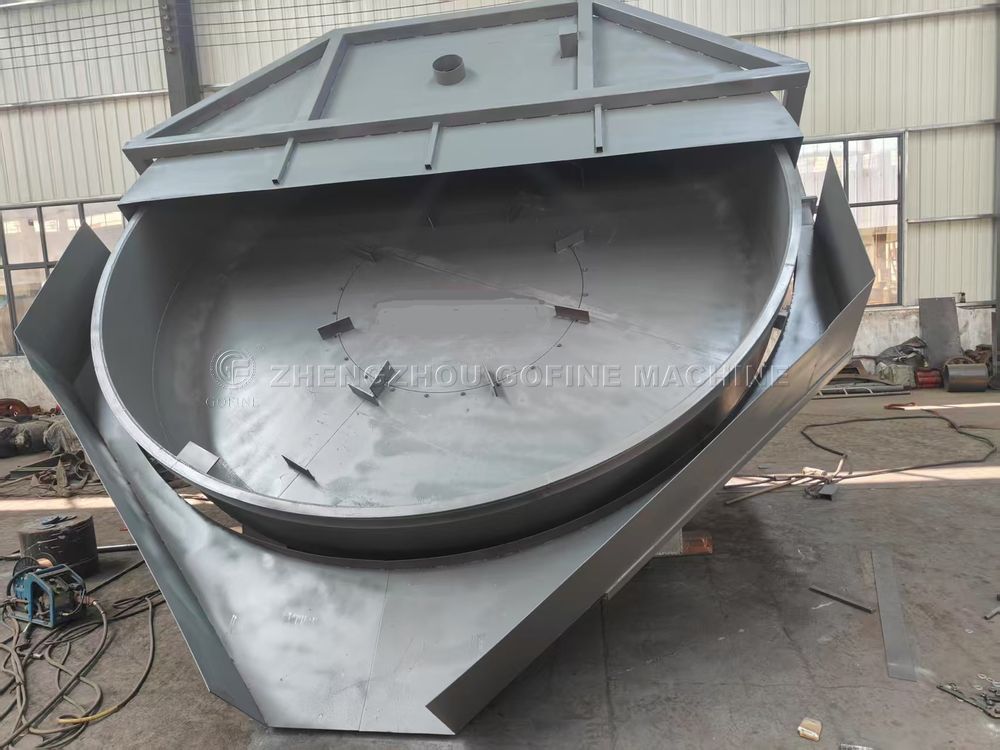
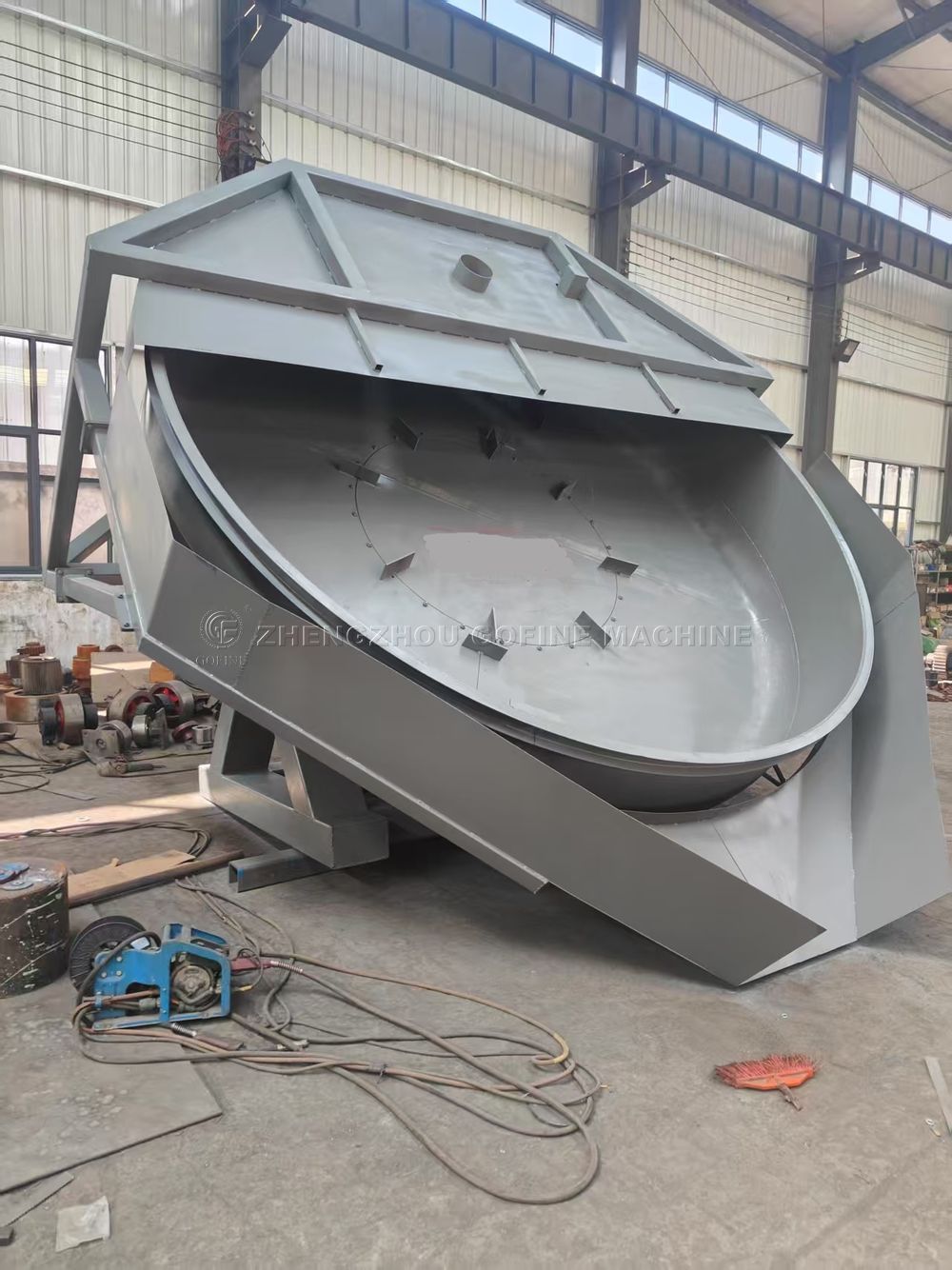
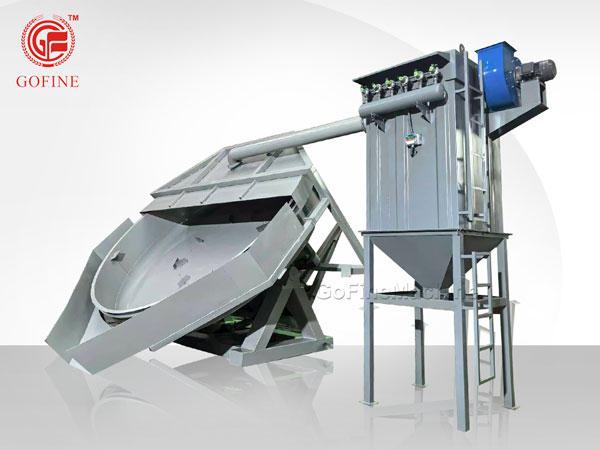
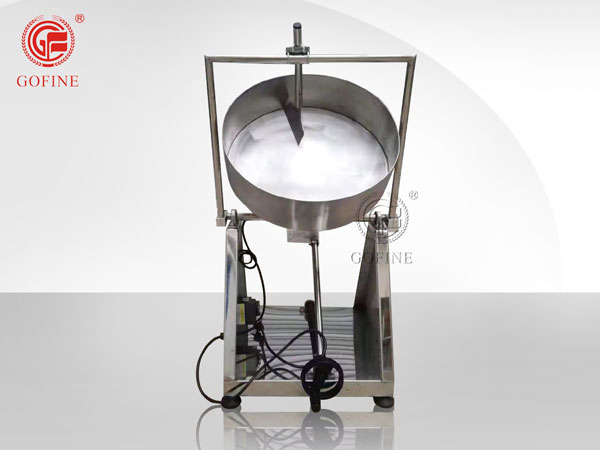
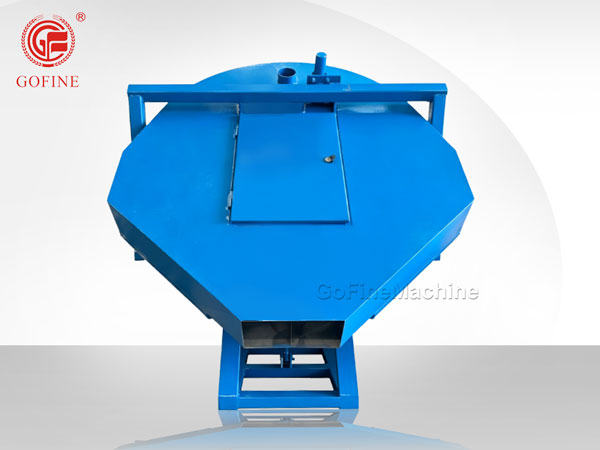
Granulation is the core link of inorganic fertilizer production, which directly determines the appearance, strength, and storage performance of finished products. The core equipment includes a disc granulator, roller granulator, and high-tower granulator, which can be selected according to the enterprise’s product needs and output scale. The disc granulator has the advantages of simple structure, low cost, easy operation, and high granulation rate (more than 90%), which is suitable for small and medium-sized enterprises; the roller granulator has high production efficiency, strong particle strength, and no need for drying in some cases, which is suitable for large-scale industrial production; the high-tower granulator produces high-strength round particles, which are beautiful in appearance and suitable for high-end inorganic fertilizer products. The granulation equipment is equipped with a return device, which can crush unqualified particles and re-granulate them, improving the utilization rate of raw materials and reducing waste.
4. Drying and Cooling Equipment
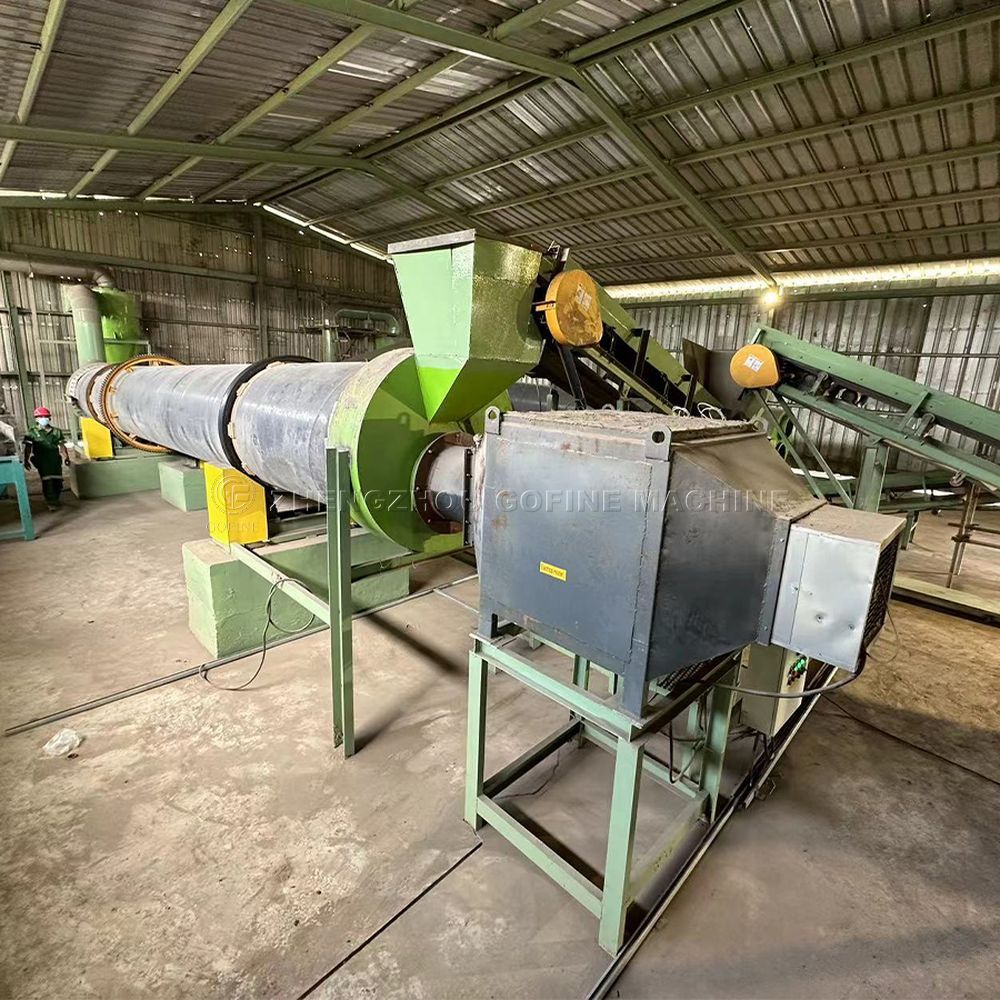
After granulation, the inorganic fertilizer particles have high water content (about 20%-30%) and temperature, which need to be dried and cooled to meet the storage requirements. The core equipment includes a drum dryer and a cooler. The drum dryer adopts energy-saving technology, which can use waste heat or low-cost heat sources (such as industrial waste heat) to dry the particles, reducing the water content of the particles to below 15% (the standard storage water content) while ensuring that the nutrients of the inorganic fertilizer are not lost; the cooler uses natural wind or forced cooling technology to cool the dried particles to room temperature, avoiding moisture regain and caking during storage. The drying and cooling equipment is connected with the dust removal equipment to collect the dust generated during the process, ensuring clean production.
5. Screening and Packaging Equipment
The screening and packaging link is the last step of production, which ensures the uniformity of finished products and facilitates storage and transportation. The core equipment includes a grading screen and an automatic packaging machine. The grading screen adopts a double-layer screen structure, which can separate unqualified particles (too large or too small) and return them to the granulation system for reprocessing, ensuring that the particle size of the finished product is uniform (2-4.75mm); the automatic packaging machine can realize automatic weighing, bagging, sealing, and conveying, with a packaging accuracy of ±0.1% and a packaging speed of 800-2000 bags per hour, which greatly improves packaging efficiency and reduces labor costs. The packaging machine can be flexibly adjusted according to different packaging specifications (25kg, 50kg, bulk packaging) to meet the needs of different markets.
6. Environmental Protection Equipment
The environmental protection equipment is an important part of the professional inorganic production line, which ensures that the production process meets environmental protection standards. The core equipment includes a bag-type dust remover, cyclone dust remover, biofilter deodorization system, and wastewater treatment device. The dust remover can collect more than 95% of the dust generated during production, preventing dust pollution; the biofilter deodorization system can remove harmful gases such as ammonia and hydrogen sulfide, ensuring that the exhaust gas meets the local emission standards; the wastewater treatment device can treat the wastewater generated during the production process and reuse it, realizing zero wastewater discharge. The environmental protection equipment is customized according to local environmental protection requirements, ensuring compliance and environmental friendliness.
How to Select a Professional Inorganic Production Line with Custom Design & One-Stop Service
There are many suppliers of professional inorganic production lines in the global market, and the quality, design level, and service quality vary greatly. For enterprises, selecting a reliable supplier and a suitable production line is the key to ensuring production efficiency and reducing investment risks. When selecting, we need to comprehensively consider the following five factors, combining our own needs and budget to make a reasonable choice.
1. Evaluate the Supplier’s Professional Strength and Experience
Priority should be given to suppliers with rich industry experience, strong R&D and manufacturing capabilities, and formal qualifications (ISO 9001, CE certification). It is necessary to understand the supplier’s years of experience in the inorganic fertilizer production line industry, the number of successful cases (especially cases with the same raw materials, output, and product specifications as the enterprise), and the R&D team’s strength. Suppliers with rich experience can better understand the enterprise’s needs and provide more professional custom design and one-stop service. At the same time, it is necessary to check the supplier’s manufacturing base and production capacity to ensure that the supplier can complete the equipment manufacturing and delivery on time.
2. Focus on the Custom Design Capability
The core of the professional inorganic production line is custom design, so the supplier’s design capability is crucial. It is necessary to understand the supplier’s design team (number of engineers, professional background, design experience) and the design process (whether it can conduct on-site investigation, whether it can fully consider the enterprise’s needs and local policies). It is recommended to ask the supplier to provide a preliminary design plan and case analysis, and evaluate the supplier’s design level and pertinence. A good design team can provide a personalized solution that perfectly matches the enterprise’s needs, avoiding the waste of equipment investment and ensuring production efficiency.
Related Content
Latest News
- Crawler Compost Turner: Remote Control & Cab Models | Factory Direct
- Stainless Steel Disc Granulator for Bentonite Cat Litter Production Line
- Heavy-Duty Pan Granulator: Unique Rotary Scraper Design for Maximum Disc Area Utilization
- Mobile Lab Mini Briquette Press: 5mm Explosion-Proof Roll Compactor for Chemical & Fertilizer R&
- Custom Bar-Type Double Roller Extrusion Granulator: High-Yield Production of Irregular Strip Granule
- Custom Double Roller Extrusion Granulator | Dust-Free Roller Compactor
- High-Capacity Rotary Drum Granulator: The Core Solution for NPK & Compound Fertilizer Production
- Compound Fertilizer Cage Crusher with Screw Feeder | Non-Clogging Crusher