


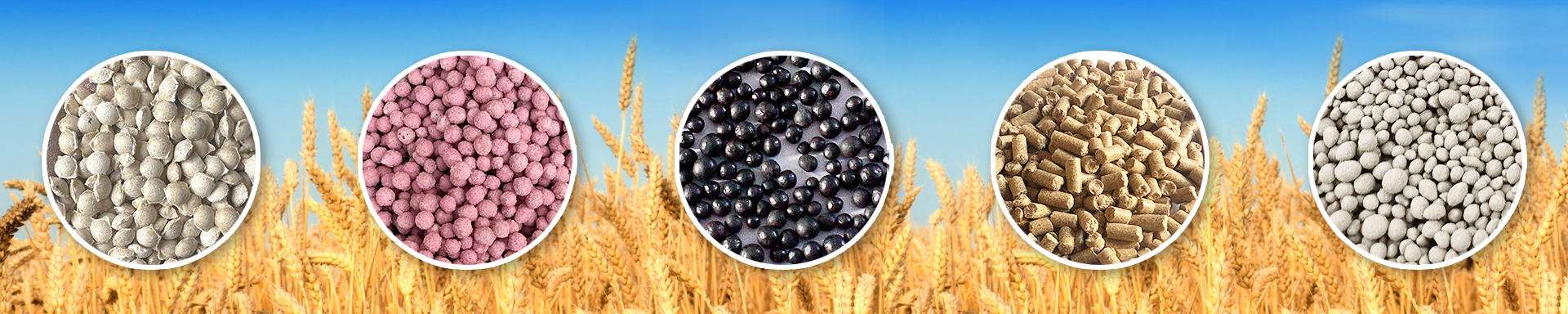
Compound Inorganic Fertilizer Granulation Line | Industrial Use
Published on: 2026-05-20In the era of large-scale industrial agriculture and modern fertilizer production, the demand for efficient, stable, and high-quality compound inorganic fertilizer granulation lines is growing rapidly. As a core equipment for industrial-grade fertilizer production, the compound inorganic fertilizer granulation line is designed to process inorganic raw materials (such as nitrogen, phosphorus, potassium salts, and trace elements) into uniform, high-strength fertilizer pellets through scientific processes. It not only meets the large-scale production needs of industrial fertilizer manufacturers but also ensures the stability of fertilizer nutrients and application effects, becoming an indispensable part of the global inorganic fertilizer industry chain. This article focuses on the definition, core advantages, key components, industrial application scenarios, and selection guidelines of industrial compound inorganic fertilizer granulation lines.
What Is an Industrial Compound Inorganic Fertilizer Granulation Line?
An industrial compound inorganic fertilizer granulation line is a complete set of automated production equipment specially designed for large-scale, continuous production of compound inorganic fertilizers. Unlike small-scale or laboratory-level granulation equipment, it integrates raw material pretreatment, batching, mixing, granulation, drying, cooling, screening, and packaging into one, realizing industrialized mass production with high efficiency, high stability, and high automation. The core function of this line is to mix inorganic nutrients (nitrogen, phosphorus, potassium, and necessary trace elements) in precise proportions, and then process them into dense, uniform pellets through physical or chemical granulation methods, ensuring that each pellet has consistent nutrient content and physical properties.
Industrial compound inorganic fertilizer granulation lines are widely used in large and medium-sized fertilizer production enterprises, chemical plants, and agricultural product processing bases. They can produce various types of compound inorganic fertilizers, including NPK compound fertilizers, single-element enhanced fertilizers, and trace element compound fertilizers, meeting the nutrient needs of different crops, soils, and planting scales. With the continuous upgrading of industrial production technology and the tightening of product quality standards, the industrial compound inorganic fertilizer granulation line has become a key factor determining the core competitiveness of fertilizer enterprises.
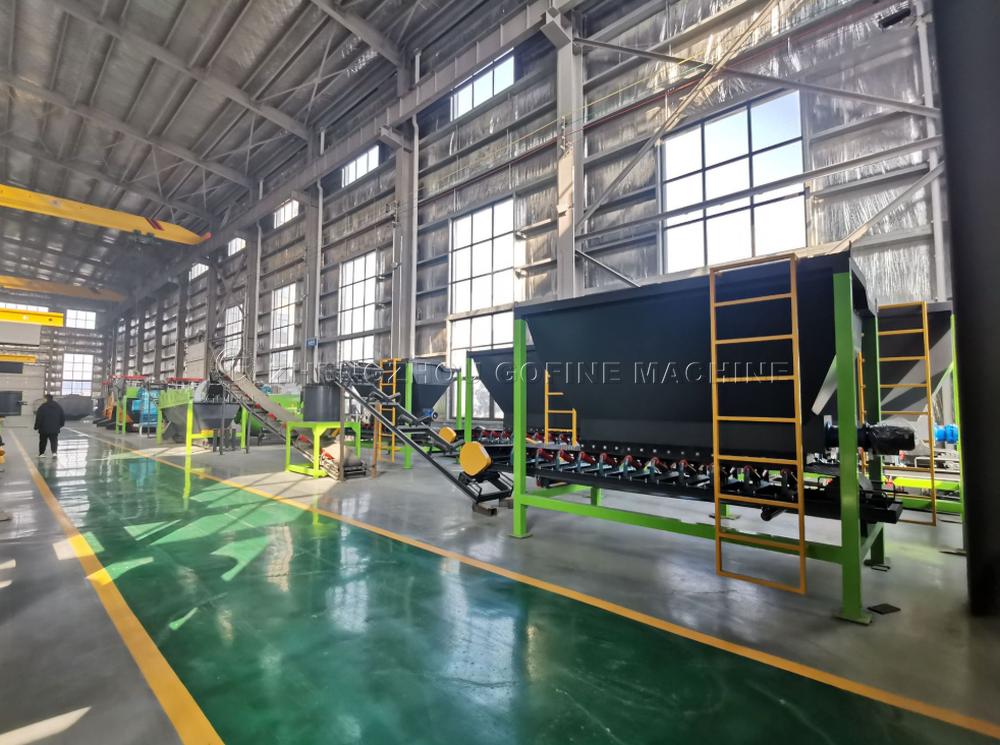
Core Advantages of Industrial Compound Inorganic Fertilizer Granulation Line
Industrial compound inorganic fertilizer granulation lines stand out in the market due to their unique industrial-grade performance, solving the pain points of traditional small-scale production such as low efficiency, unstable product quality, and high labor costs. Below are the core advantages that are highly valued by industrial users:
1. High-Efficiency Continuous Production for Industrial Scale
Industrial-grade granulation lines are designed for large-scale continuous operation, with a daily processing capacity ranging from 50 tons to 500 tons, and even higher for customized large-scale projects. Equipped with advanced automated conveying and control systems, the whole line can realize 24-hour continuous production without frequent shutdowns for material replacement or equipment maintenance. Compared with traditional semi-automatic granulation equipment, the production efficiency is improved by 50% to 80%, which can effectively meet the large-scale supply needs of industrial fertilizer manufacturers and reduce the cost of unit product production through scale effect. For example, a medium-sized industrial granulation line with a daily output of 100 tons can save 15-20 labor costs per day compared with small-scale equipment, and the unit energy consumption is reduced by 20%-30%.
2. Precise Nutrient Proportioning Ensures Stable Product Quality
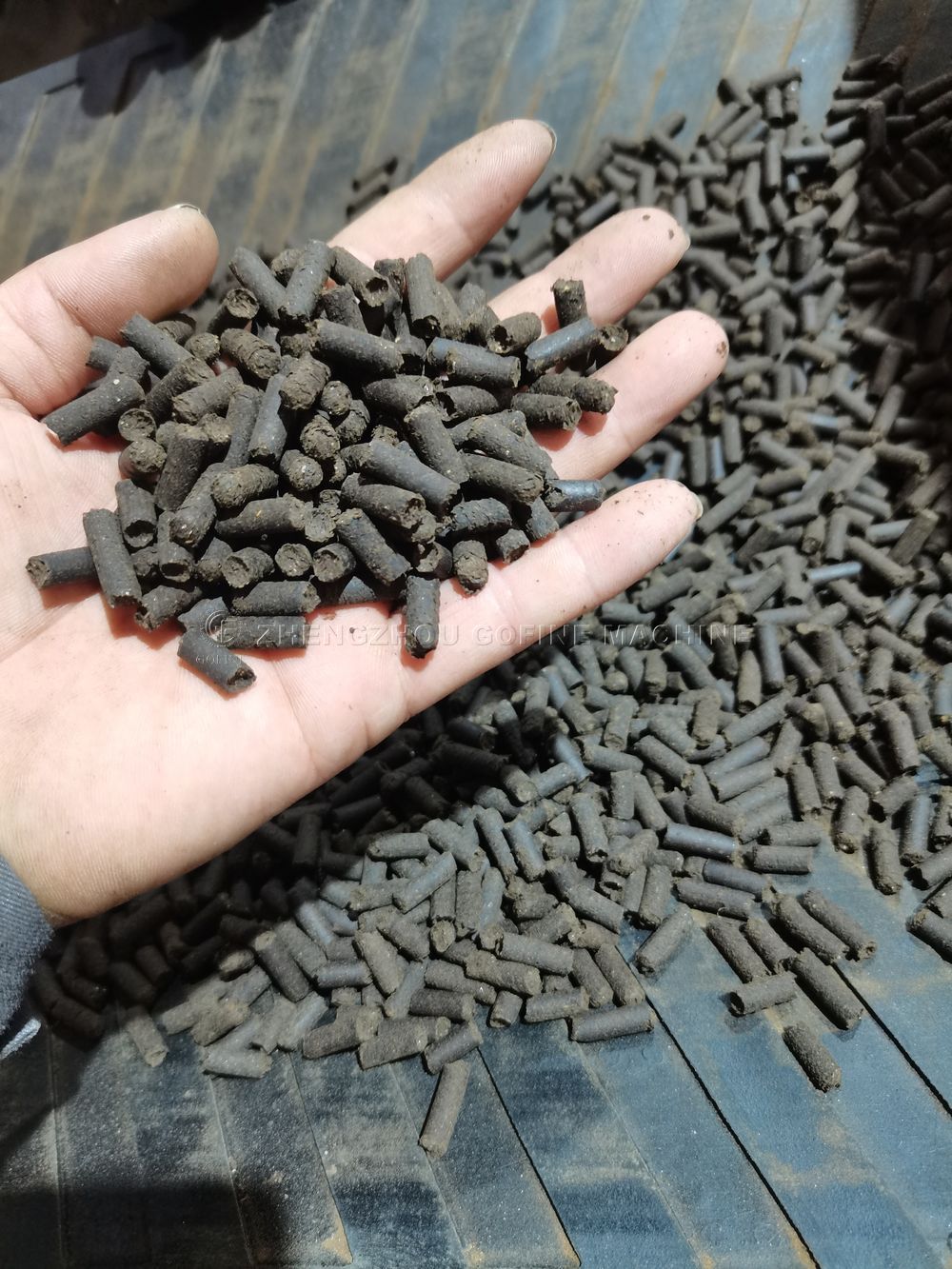
The quality of compound inorganic fertilizer lies in the accuracy of nutrient proportioning, and industrial granulation lines are equipped with high-precision batching and mixing systems. Adopting PLC intelligent control technology and high-precision electronic belt scales, the error of nutrient proportioning can be controlled within ±0.1%, ensuring that the nutrient content of each batch of finished pellets is consistent with the preset formula (such as 15-15-15 NPK, 20-10-10 high-nitrogen compound fertilizer). At the same time, the high-efficiency mixing equipment (such as double-shaft paddle mixers) can make the raw materials mix uniformly, avoiding nutrient segregation in the pellets, and ensuring that crops can absorb balanced nutrients. The finished pellets produced have uniform particle size (adjustable from 2mm to 8mm), high particle strength (≥15N), and low moisture content (≤2%), which are not easy to agglomerate during storage and transportation, and meet international and national quality standards.
3. Strong Adaptability to Diverse Raw Materials and Products
Industrial compound inorganic fertilizer granulation lines have strong adaptability to raw materials, which can process various inorganic raw materials, including urea, ammonium chloride, ammonium sulfate, monoammonium phosphate, diammonium phosphate, potassium chloride, potassium sulfate, and various trace element additives (such as zinc sulfate, borax). According to different market demands and crop needs, the line can flexibly adjust the formula to produce high, medium, and low-concentration compound inorganic fertilizers, as well as special fertilizers for cash crops (such as fruits, vegetables, and cash crops). In addition, the line is compatible with multiple granulation methods (such as drum granulation, extrusion granulation, and high-tower granulation), which can be selected according to raw material characteristics and product requirements. For example, extrusion granulation is suitable for heat-sensitive raw materials and does not require drying, while drum granulation is suitable for large-scale production of general compound fertilizers.
4. Energy-Saving, Environmental Protection, and Low Operating Costs
With the global emphasis on environmental protection and energy conservation, modern industrial compound inorganic fertilizer granulation lines have integrated energy-saving and emission-reducing technologies. The optimized power transmission system and process flow reduce energy consumption by 20%-40% compared with traditional industrial lines. The closed-loop design of the whole line prevents dust leakage and waste water discharge—dust collectors (such as bag-type dust collectors) are equipped to control particle emissions to less than 1g/t, which is only 2% of that of traditional processes; the waste water generated in the production process can be recycled after treatment, realizing zero waste discharge in the whole process. In addition, the automated control system reduces manual intervention, lowers labor costs, and the key components are made of wear-resistant and corrosion-resistant materials (such as wear-resistant alloy steel), which extends the service life of the equipment and reduces maintenance costs and downtime losses.
5. Full-Automatic Control for Easy Operation and Management
Industrial compound inorganic fertilizer granulation lines adopt full-automatic PLC touch screen control, which can realize real-time monitoring and adjustment of the entire production process, including raw material batching, mixing speed, granulation pressure, drying temperature, and finished product packaging. The system has functions such as fault early warning and automatic shutdown, which can effectively avoid equipment damage and product quality problems caused by improper operation. Operators only need simple training to master the operation skills, which reduces the dependence on professional technicians and lowers the management cost of the enterprise. At the same time, the system can record production data in real time, facilitating enterprise production management and quality traceability.
Key Components of Industrial Compound Inorganic Fertilizer Granulation Line
A complete industrial compound inorganic fertilizer granulation line is composed of multiple coordinated components, each of which plays a key role in ensuring the smooth operation of the production process and the quality of finished products. The core components are as follows, with a focus on industrial-grade performance and stability:
1. Raw Material Pretreatment System
Raw material pretreatment is the foundation of high-quality granulation, especially for industrial-scale production. This system mainly includes crushers, sieves, and silos. The crusher (such as hammer crusher, chain crusher) crushes large-grain raw materials (such as diammonium phosphate, potassium chloride) into fine powder (60-80 mesh) to avoid affecting the uniformity of mixing and granulation. The sieve removes impurities (such as stones, metal fragments) in the raw materials to protect the subsequent equipment. The silo is used for storing raw materials, which can realize continuous feeding and ensure the stability of the production line. For large-scale production, ton bag crushers are also equipped to directly crush ton-bag raw materials, saving labor and time.
2. Batching and Mixing System
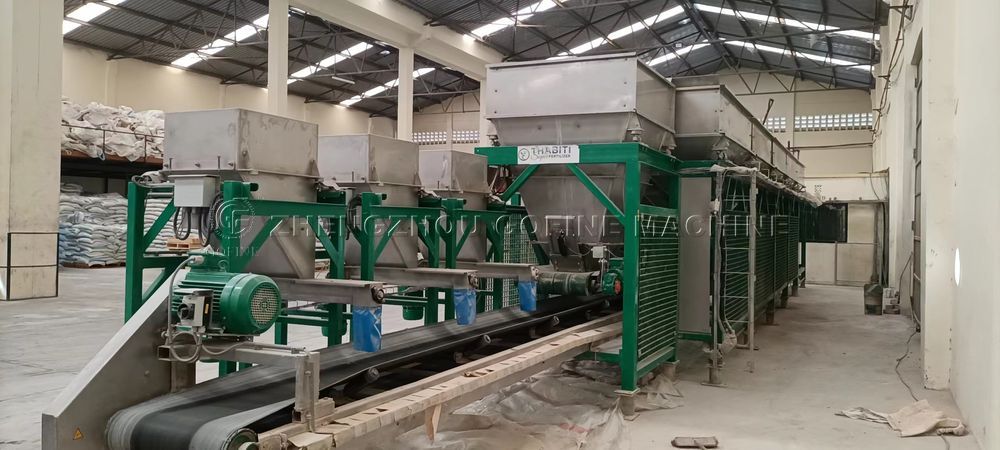
This system is the core of ensuring the accuracy of nutrient proportioning. It is composed of high-precision electronic batching scales, automatic feeders, and double-shaft paddle mixers. The electronic batching scale accurately measures various raw materials according to the preset formula, with a measurement error of ≤0.1%, ensuring the consistency of each batch of raw materials. The automatic feeder sends the measured raw materials to the mixer in an orderly manner. The double-shaft paddle mixer has strong mixing capacity, with a mixing uniformity of over 95%, which can fully mix various inorganic raw materials and trace elements, avoiding nutrient segregation and laying a foundation for high-quality granulation.
3. Granulation System (Core Equipment)
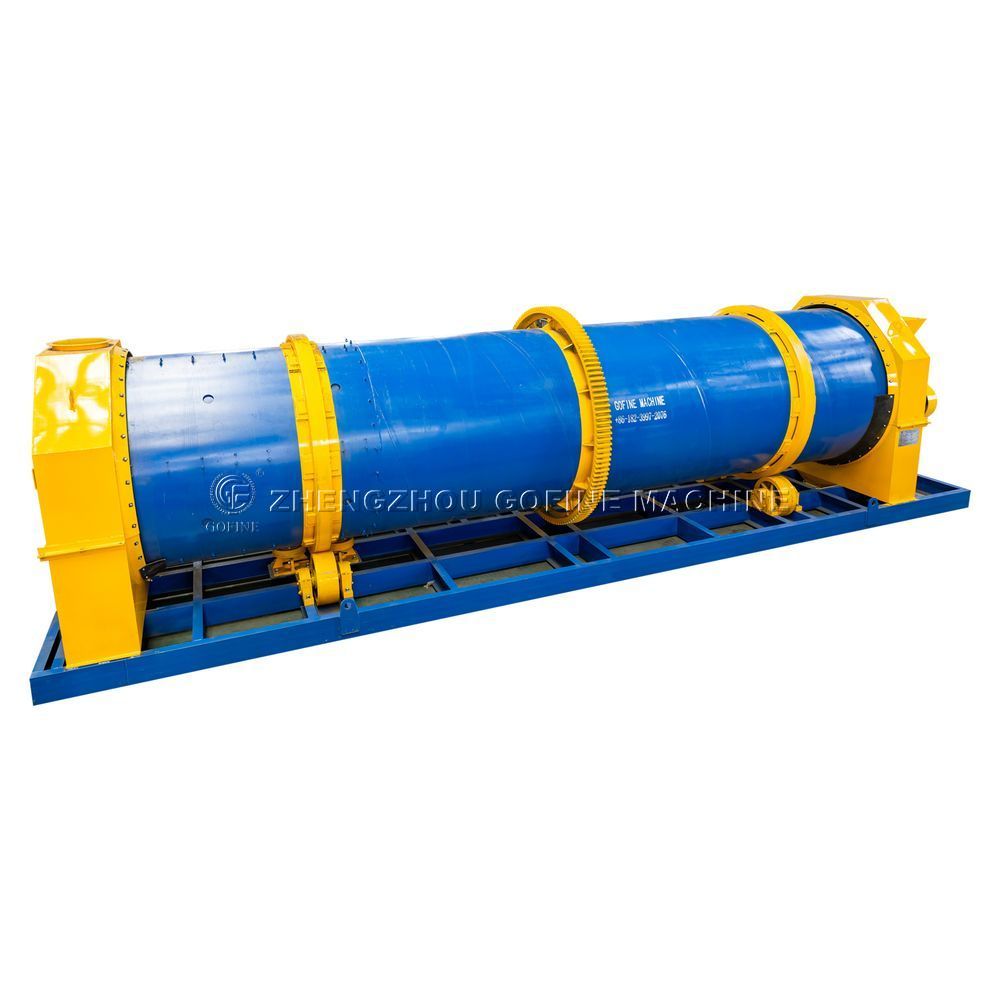
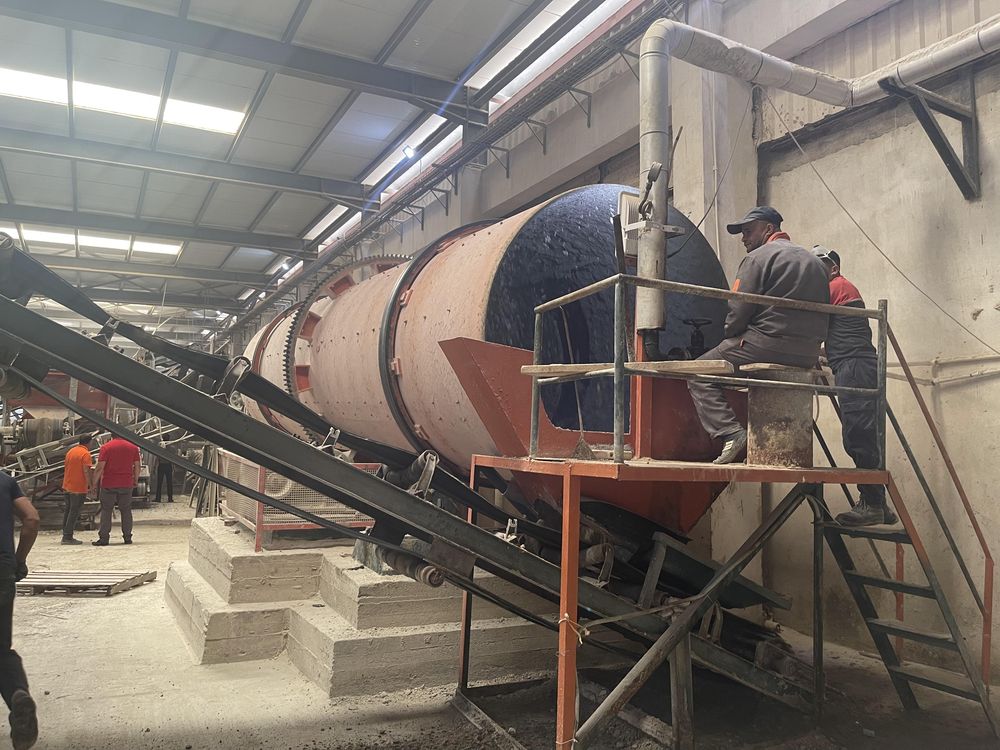
The granulator is the core equipment of the entire line, determining the particle shape, strength, and granulation rate. Industrial-grade granulators mainly include three types, each suitable for different production needs: ① Drum granulator: Suitable for large-scale continuous production, with a granulation rate of over 90%, uniform particle size, and strong adaptability to raw materials. It uses a rotating drum to tumble and agglomerate materials, and is equipped with an atomizing water spray device to adjust humidity precisely. ② Extrusion granulator: Adopts high-pressure molding (50-150 bar), no binder or drying is required, energy-saving and environmentally friendly, with a granulation rate of over 95% and particle strength up to 30N, suitable for heat-sensitive raw materials. ③ High-tower granulator: Melts urea and mixes it with phosphorus and potassium fertilizers, then sprays and cools to form high-strength round particles, suitable for high-concentration compound fertilizers.
4. Drying and Cooling System
After granulation, the pellets have high moisture content (30%-35%), which needs to be dried and cooled to ensure storage stability. The drying system adopts a rotary dryer, which uses hot air (80-180℃) to reduce the moisture content of the pellets to ≤2% (or ≤15% according to product requirements). The temperature can be adjusted according to the type of fertilizer—for water-soluble compound fertilizers, the temperature is controlled at 120-150℃ to avoid high temperature damaging nutrients. The cooling system uses a rotary cooler, which cools the dried pellets (60-80℃) to room temperature (25-30℃) through normal temperature air, preventing agglomeration and improving particle strength. The drying and cooling system is equipped with online moisture and temperature monitoring devices to ensure the stability of product quality.
5. Screening and Packaging System
The screening system uses a vibrating screen (three-layer screen mesh design) to separate qualified pellets (2-5mm) from unqualified ones. Oversized pellets are sent back to the crusher for secondary crushing, and fine powder is returned to the mixer for re-granulation, realizing closed-loop recycling of raw materials with a utilization rate of over 98%. The packaging system adopts an automatic packaging machine, which can complete weighing, bagging, and sealing automatically, with a packaging speed of 20-50 bags per minute (25-50kg per bag), improving packaging efficiency and ensuring the consistency of finished products. For industrial-scale production, the system can also be equipped with a palletizing machine to realize automatic stacking and storage, reducing labor intensity.
6. Dust and Wastewater Treatment System
As an industrial-grade equipment, environmental protection is an essential requirement. The dust treatment system is equipped with a bag-type dust collector, which can collect dust generated in the crushing, mixing, and granulation links, with a dust removal rate of over 99%, meeting global environmental emission standards. The wastewater treatment system collects and treats the wastewater generated in the production process (such as cleaning water), and the treated water can be recycled for raw material mixing or equipment cleaning, realizing zero waste discharge and complying with green production standards.
Industrial Application Scenarios of Compound Inorganic Fertilizer Granulation Line
Industrial compound inorganic fertilizer granulation lines are widely used in various industrial fields related to fertilizer production, mainly including the following scenarios, which can fully highlight the industrial value of the equipment and attract target users in Google searches:
1. Large and Medium-Sized Inorganic Fertilizer Manufacturers
This is the main application scenario of industrial compound inorganic fertilizer granulation lines. Large-scale fertilizer manufacturers need to produce a large number of compound inorganic fertilizers to meet the market demand of agriculture, forestry, and horticulture. The industrial granulation line can realize large-scale, continuous production, reduce production costs, and ensure product quality stability, helping enterprises occupy a larger market share. For example, a large fertilizer manufacturer with an annual output of 100,000 tons can rely on an industrial granulation line to complete production tasks efficiently, and flexibly adjust the formula to produce various types of compound fertilizers according to regional crop needs.
2. Chemical Plants (Inorganic Fertilizer Production)
Many chemical plants produce inorganic raw materials (such as urea, ammonium phosphate, potassium chloride) and can extend their industrial chain by configuring compound inorganic fertilizer granulation lines, processing raw materials into finished compound fertilizers, improving product added value. The industrial granulation line can be seamlessly connected with the chemical plant's existing raw material production system, realizing integrated production from raw materials to finished products, reducing transportation costs and improving production efficiency. For example, a chemical plant producing ammonium phosphate can use the industrial granulation line to mix ammonium phosphate with potassium chloride and urea to produce NPK compound fertilizers, expanding product categories and increasing revenue sources.
3. Agricultural Product Processing Bases and Large-Scale Planting Bases
Large-scale planting bases (such as grain bases, fruit and vegetable bases) and agricultural product processing bases have a large demand for compound inorganic fertilizers. Configuring an industrial compound inorganic fertilizer granulation line can produce customized fertilizers according to the soil conditions and crop needs of the base, ensuring the quality of agricultural products and reducing the cost of purchasing fertilizers. For example, a large-scale vegetable base with an area of 10,000 mu can produce compound fertilizers suitable for vegetables (high-nitrogen, high-potassium) through an industrial granulation line, which not only meets the needs of the base but also can sell the surplus fertilizers to surrounding farmers, creating additional economic benefits.
4. Environmental Protection and Waste Recycling Enterprises
Some environmental protection enterprises use industrial waste (such as industrial sludge, chemical waste containing inorganic nutrients) to produce compound inorganic fertilizers. The industrial compound inorganic fertilizer granulation line can process these wastes into harmless, high-quality fertilizer pellets through scientific pretreatment and granulation, realizing the recycling of waste resources and complying with environmental protection policies. This not only solves the problem of waste disposal but also creates economic benefits, which is a key development direction of the environmental protection and fertilizer industries.
How to Choose the Right Industrial Compound Inorganic Fertilizer Granulation Line?
Choosing a suitable industrial compound inorganic fertilizer granulation line is crucial for industrial users to ensure production efficiency, product quality, and investment returns. When selecting, it is necessary to focus on the following key factors, which can also help target users find your webpage through Google searches:
1. Clarify Industrial Production Scale and Product Positioning
First, determine the daily or annual production capacity (small industrial scale: 50-100 tons/day, medium scale: 100-300 tons/day, large scale: 300 tons/day or more) and product positioning (such as high-concentration NPK compound fertilizer, trace element compound fertilizer, water-soluble compound fertilizer). For example, small and medium-sized fertilizer manufacturers can choose drum granulation lines with moderate investment and stable performance; large-scale manufacturers or chemical plants can choose high-tower granulation lines or extrusion granulation lines with large processing capacity and high automation. If producing water-soluble compound fertilizers, priority should be given to granulators that do not affect water solubility (such as extrusion granulators).
2. Focus on Equipment Quality and Stability
Industrial production requires long-term continuous operation, so the quality and stability of the equipment are crucial. When selecting, pay attention to the material of key components (such as the drum of the granulator, the paddle of the mixer) and choose wear-resistant, corrosion-resistant, and high-temperature resistant materials to extend the service life of the equipment. At the same time, check the technical maturity of the equipment manufacturer, select manufacturers with rich industrial project experience, mature technology, and complete after-sales service to avoid production interruptions caused by equipment failures. It is recommended to check the manufacturer's case studies and user reviews to understand the actual operation effect of the equipment.
3. Pay Attention to Environmental Protection and Energy-Saving Performance
With the increasingly strict global environmental protection policies, industrial users must choose equipment that meets environmental emission standards. Check whether the line is equipped with a complete dust and wastewater treatment system, and whether the energy consumption indicators meet the national or international standards. Priority should be given to energy-saving models (such as extrusion granulation lines that do not require drying, which can save 40% of energy consumption compared with traditional wet processes) to reduce long-term operating costs and avoid environmental fines. At the same time, the equipment should comply with relevant standards such as GB 15063-2020 and HG/T 6199-2023 to ensure compliance with production requirements.
4. Consider Automation and Customization Capabilities
Industrial production pursues efficiency and intelligence, so the automation level of the granulation line is an important consideration. Choose lines with full-automatic PLC control, real-time monitoring, and fault early warning functions to reduce manual intervention and improve production stability. In addition, different industrial users have different raw materials, production sites, and product requirements, so it is necessary to choose manufacturers with strong customization capabilities to design personalized solutions according to actual needs, avoiding the problem of mismatched production capacity or unreasonable process flow caused by using standard equipment directly.
5. Evaluate After-Sales Service and Technical Support
Industrial compound inorganic fertilizer granulation lines are large-scale equipment that requires professional installation, commissioning, and regular maintenance. When selecting, focus on the manufacturer's after-sales service system, including on-site installation, operator training, timely supply of accessories, and after-sales maintenance. A complete after-sales service can ensure that equipment failures are solved in a timely manner, reducing downtime losses. At the same time, manufacturers with strong technical strength can provide long-term technical guidance, helping users optimize the production process and improve production efficiency and product quality.
Future Trends of Industrial Compound Inorganic Fertilizer Granulation Lines
With the continuous development of industrial technology, environmental protection policies, and agricultural modernization, industrial compound inorganic fertilizer granulation lines will show the following development trends, which can enhance the professionalism and forward-looking of the article and improve Google search rankings:
Intelligent and Digital Upgrade: The whole line will realize digital management and intelligent control, integrating Internet of Things (IoT), big data, and artificial intelligence technologies. Real-time monitoring and remote operation of production parameters can be realized through mobile phones or computers, and the system can automatically adjust parameters according to raw material characteristics and product quality, improving production efficiency and stability. At the same time, digital traceability systems will be widely used to realize full-process traceability of product quality.
More Efficient and Energy-Saving: With the continuous innovation of granulation technology, the energy consumption of industrial granulation lines will be further reduced, and the production efficiency will be continuously improved. For example, the optimized extrusion granulation technology can further reduce energy consumption by 10%-15%, and the drum granulation line can achieve a granulation rate of over 95%. At the same time, new energy (such as solar energy, wind energy) will be integrated into the production process to realize green energy supply.
Environmental Protection and Green Production: The environmental protection performance of the equipment will be further improved, and the closed-loop production of the whole line will be realized, with zero waste discharge, zero dust leakage, and zero odor emission. The use of environmentally friendly materials and processes will become the mainstream, and the treatment of waste resources (such as industrial sludge, chemical waste) will be more efficient, promoting the integration of the fertilizer industry and the environmental protection industry.
Customization and Diversification: With the increasing demand for personalized fertilizers in the market, industrial granulation lines will be more flexible, able to quickly adjust the formula and production process to produce special compound inorganic fertilizers for different crops, soils, and planting modes. At the same time, the integration of the production line will be higher, realizing the integrated production of multiple products, improving the utilization rate of equipment and the economic benefits of enterprises.
Conclusion
The industrial compound inorganic fertilizer granulation line is a core equipment for modern industrial fertilizer production, which integrates high efficiency, stability, environmental protection, and intelligence. It not only meets the large-scale production needs of industrial users but also ensures the quality and application effect of compound inorganic fertilizers, playing an important role in promoting the development of the global fertilizer industry and modern agriculture.
For industrial users such as fertilizer manufacturers, chemical plants, and large-scale planting bases, choosing a suitable industrial compound inorganic fertilizer granulation line is the key to reducing costs, improving efficiency, and enhancing market competitiveness. This article comprehensively introduces the core content of the industrial compound inorganic fertilizer granulation line, hoping to help you deeply understand this equipment. If you are looking for a high-quality, cost-effective industrial compound inorganic fertilizer granulation line, it is recommended to focus on manufacturers with rich experience, mature technology, and complete after-sales service to achieve sustainable development and high returns.
Related Content
Latest News
- Heavy-Duty 2.5m Disc Granulator for Mineral Fertilizer
- Towed Compost Turner: Heavy-Duty Solution for High-Volume Organic Fertilizer Production
- Stainless Steel Cow Bedding Recovery System: Convert Dairy Manure into Premium Bedding
- Turn Limestone Powder into Premium Mineral Fertilizer: Complete Granulation Production Lines
- How to Make Organo-Mineral Fertilizer from Poultry Manure & Rock Phosphate
- Bedding Recovery System for Dairy Farms | Manure Recycling
- Calcium & Magnesium Chloride Granulation Production Line (Double Roller Extrusion System)
- Heavy-Duty Organic Fertilizer Compost Turner Machine for Commercial Composting