


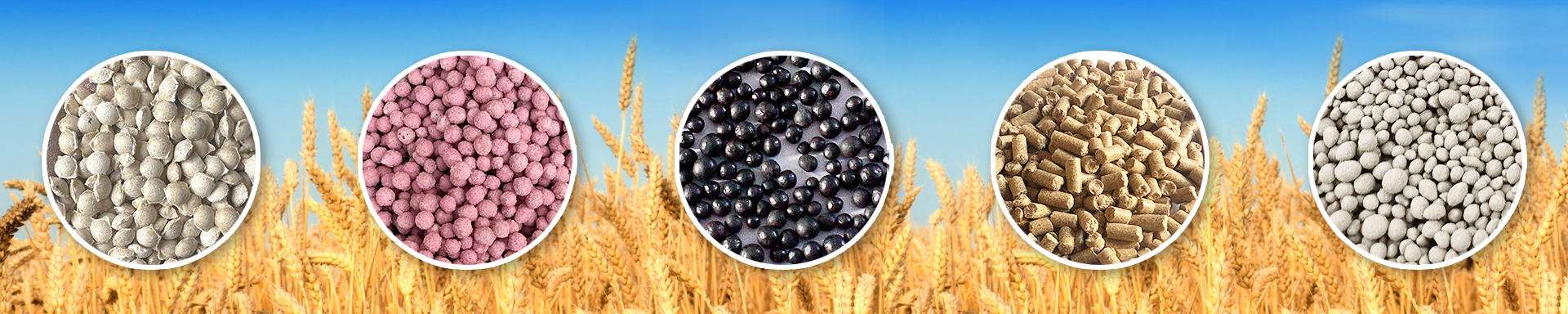
Professional Soil Conditioner Production Equipment for Industrial Use
Published on: 2026-05-05In the context of global industrialization and sustainable agricultural development, soil degradation problems such as compaction, salinization, heavy metal pollution, and nutrient imbalance have become increasingly prominent, seriously restricting the quality and efficiency of agricultural production and the healthy development of ecological environments. Industrial-grade soil conditioners, as efficient soil improvement products, play a crucial role in restoring soil vitality, improving soil structure, and promoting the resource utilization of industrial waste. Professional soil conditioner production equipment for industrial use is the core support for large-scale, standardized, and high-efficiency production of industrial-grade soil conditioners. It integrates advanced automation technology, robust structural design, and mature production processes, adapting to the characteristics of industrial production such as large output, high efficiency, and strict quality control. This article provides a detailed introduction to professional soil conditioner production equipment for industrial use, including its overview, core components, production process, outstanding advantages, application scenarios, and key maintenance points, helping users fully understand the equipment’s performance and industrial application value.
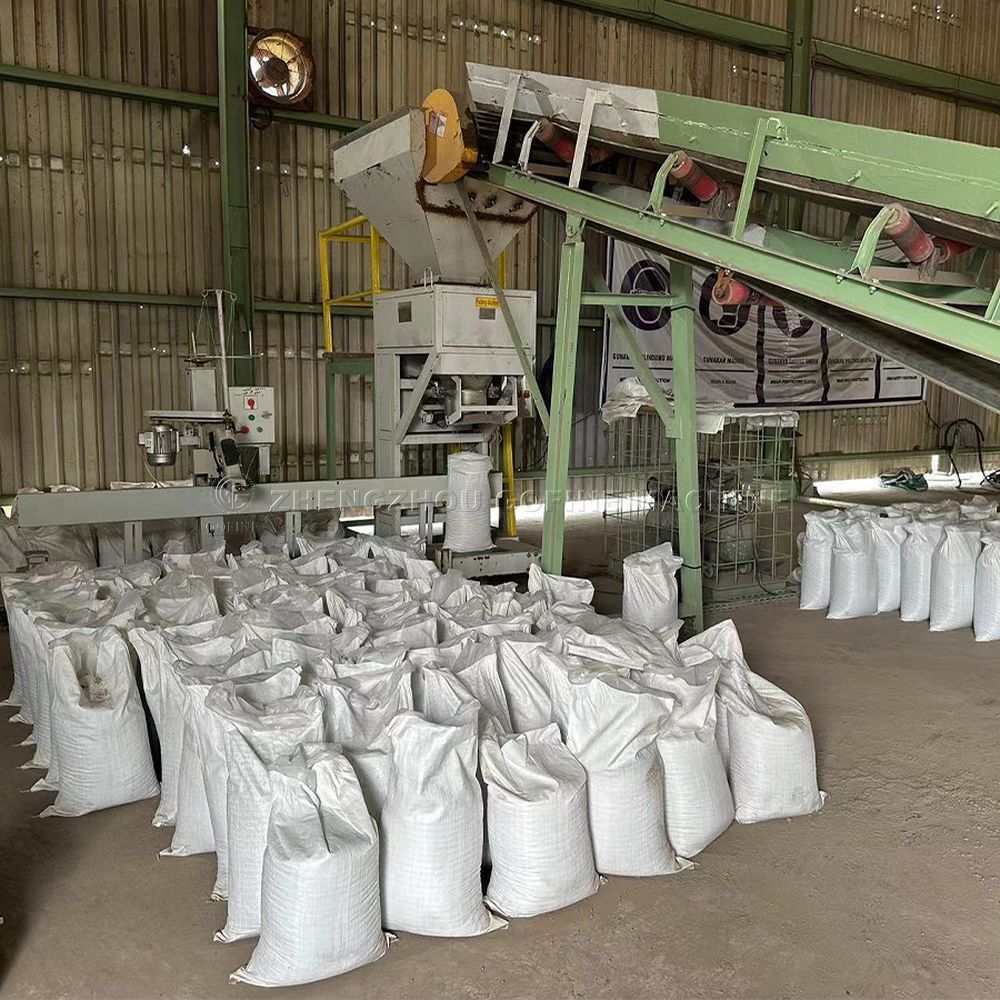
Overview of Professional Soil Conditioner Production Equipment for Industrial Use
Professional soil conditioner production equipment for industrial use is a set of integrated, large-scale production systems specially designed for the industrial production of soil conditioners. Different from small-scale or agricultural-grade production equipment, it is optimized for the characteristics of industrial production, focusing on high output, high efficiency, stable quality, and strong adaptability, and can handle a variety of raw materials, including industrial solid waste, mineral raw materials, organic waste, and chemical additives. The equipment covers the entire production cycle from raw material pretreatment, batching, mixing, reaction modification, granulation (optional), drying, cooling, screening, to packaging, realizing full-process automated operation and reducing manual intervention to the greatest extent.
As professional equipment for industrial use, it adheres to the production concept of standardization and large-scale operation, which can meet the large-volume production needs of industrial enterprises and ensure the consistency and stability of each batch of products. The equipment adopts a modular design, which can be flexibly configured according to different product formulas, raw material types, and production scales, and can produce various types of industrial-grade soil conditioners, such as mineral-based, organic-inorganic composite, chelated, and heavy metal-adsorbing soil conditioners. It is widely used in industrial solid waste resource utilization enterprises, large-scale fertilizer production enterprises, environmental protection enterprises, and industrial and agricultural integration projects, playing a key role in promoting the coordinated development of industry and agriculture and the realization of green production.
Core Components of Professional Soil Conditioner Production Equipment for Industrial Use
Professional soil conditioner production equipment for industrial use is composed of multiple high-performance functional modules, each of which undertakes a key link in the industrial production process. The rational matching and high-quality configuration of core components ensure the smooth operation of the entire production line, high production efficiency, and stable product quality. The main core components are as follows:
1. Raw Material Pretreatment Equipment
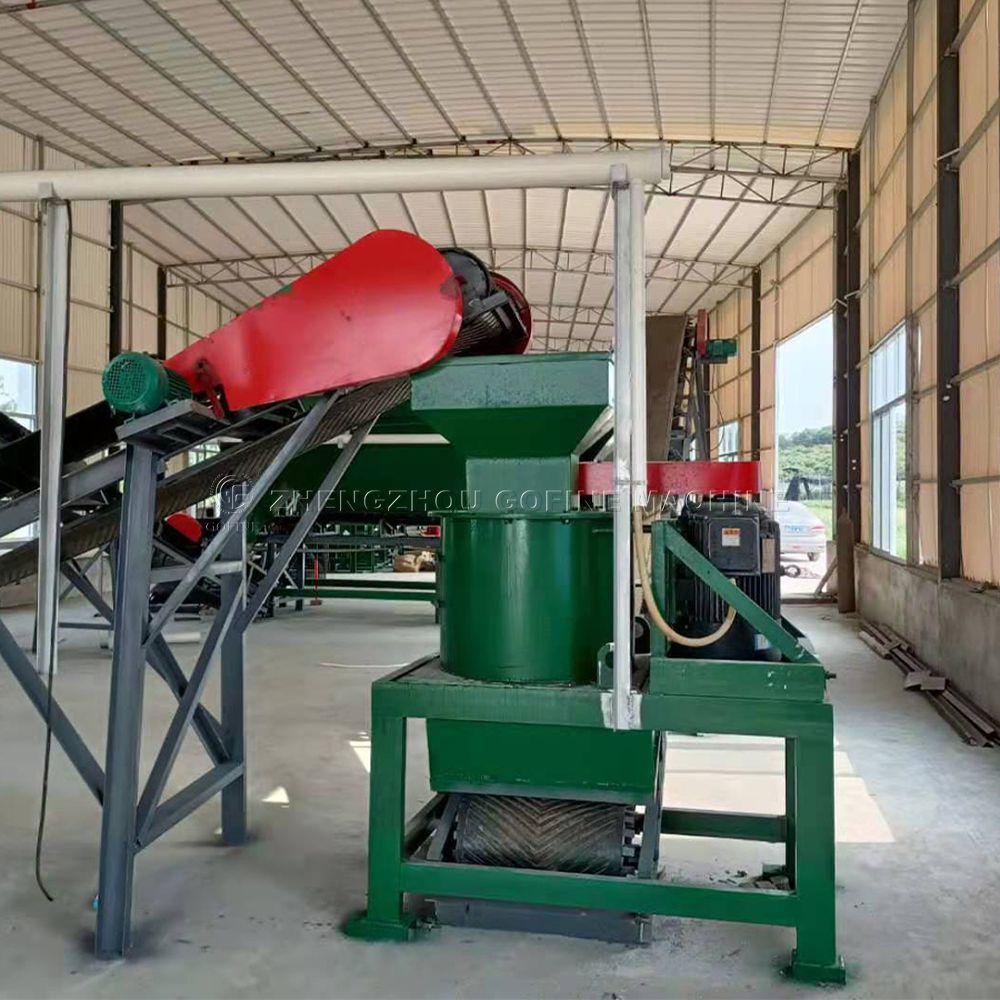
Raw material pretreatment is the foundation of industrial soil conditioner production, which directly affects the production efficiency and product quality of subsequent links. Industrial production raw materials are diverse and complex, including industrial solid waste such as fly ash, slag, desulfurized gypsum, and alkali-making white mud, as well as mineral raw materials, organic waste, and chemical additives. The pretreatment equipment is designed to handle the characteristics of large volume, complex composition, and uneven particle size of industrial raw materials, mainly including crushers, dehydrators, sieves, and magnetic separators.
Crushers are used to crush large-volume, lumpy raw materials such as slag, alkali-making white mud, and mineral ores into fine powder with uniform particle size, usually 80-120 mesh, to increase the contact area between raw materials and promote full mixing and reaction in subsequent links. Common crushers for industrial use include hammer crushers, jaw crushers, and impact crushers, which have strong crushing capacity, high wear resistance, and can handle high-hardness raw materials such as slag and ores. Dehydrators are used to reduce the moisture content of high-humidity raw materials such as fresh organic waste and alkali-making white mud, adjusting the moisture content to the range suitable for mixing and reaction, avoiding anaerobic fermentation and material caking.
Sieves are used to screen the crushed raw materials, removing impurities such as stones, metal scraps, and plastic, ensuring the purity of raw materials and protecting subsequent equipment from damage. Magnetic separators are specially used to remove iron impurities in raw materials, especially industrial solid waste such as fly ash and slag, which often contain iron scraps that may affect the quality of finished products and the operation of equipment. The pretreatment equipment adopts automated feeding and discharging systems, which can realize continuous operation and improve pretreatment efficiency.
2. Automated Batching and Mixing System
The automated batching and mixing system is the core of ensuring the uniform nutrient content and stable performance of industrial-grade soil conditioners. Industrial production has strict requirements on the proportion of raw materials, and the error of ingredient proportion directly affects the quality of finished products. The system is composed of high-precision electronic scales, sealed batching bins, and high-efficiency mixers, and is equipped with an intelligent control system to realize automated, precise batching and uniform mixing.
High-precision electronic scales adopt imported sensors, with a measurement error of less than ±1%, which can accurately measure various raw materials according to the preset formula, including industrial solid waste, mineral additives, trace elements, and chelating agents. Sealed batching bins are used to store different raw materials separately, avoiding cross-contamination and dust leakage, which is in line with industrial environmental protection requirements. The conveyor belt automatically transports the proportioned raw materials to the mixer, realizing seamless connection between batching and mixing.
Mixers for industrial use mainly include horizontal double-shaft mixers and disc mixers. The horizontal double-shaft mixer has a large mixing capacity, high mixing efficiency, and no dead corners, which can fully mix solid raw materials or liquid-solid mixed raw materials, ensuring that all components are evenly distributed. The disc mixer, with its optimized inclined disc design and wear-resistant stirring blades, is especially suitable for mixing industrial solid waste such as fly ash and slag with auxiliary materials, achieving all-round, dead-angle-free mixing with a mixing uniformity of more than 98%. Both types of mixers are equipped with frequency conversion speed regulation functions, which can adjust the stirring speed according to the characteristics of raw materials, improving mixing effect and efficiency.
3. Reaction and Modification Equipment
Reaction and modification are key links to improve the performance of industrial-grade soil conditioners, especially for functional soil conditioners such as chelated soil conditioners and heavy metal-adsorbing soil conditioners. The reaction and modification equipment mainly includes high-pressure reaction kettles, modification tanks, and roasting furnaces, which are made of corrosion-resistant, high-temperature-resistant materials such as 304 or 316L stainless steel and high-alumina ceramics, adapting to the harsh reaction environment of industrial production.
High-pressure reaction kettles are used for chelation reactions, acid-base neutralization reactions, and other processes, equipped with precise temperature, pressure, and pH control systems, which can accurately control reaction conditions to promote the full reaction between raw materials and form stable functional components. For example, in the production of chelated soil conditioners, the reaction kettle provides a suitable environment for the reaction between trace elements and chelating agents, forming chelated compounds that are not easily fixed by soil, improving the absorption efficiency of crops. Modification tanks are used to modify industrial solid waste such as fly ash and slag, enhancing their adsorption capacity and soil improvement effect.
Roasting furnaces are used for the high-temperature modification of mineral raw materials and industrial solid waste, such as the roasting of potassium ore and alkali-making white mud, which can activate the active components in the raw materials and improve the effectiveness of soil conditioners. The roasting temperature can be controlled between 500-1025℃ according to the raw material characteristics and product requirements, ensuring the modification effect while avoiding excessive energy consumption.
4. Granulation Equipment (Optional)
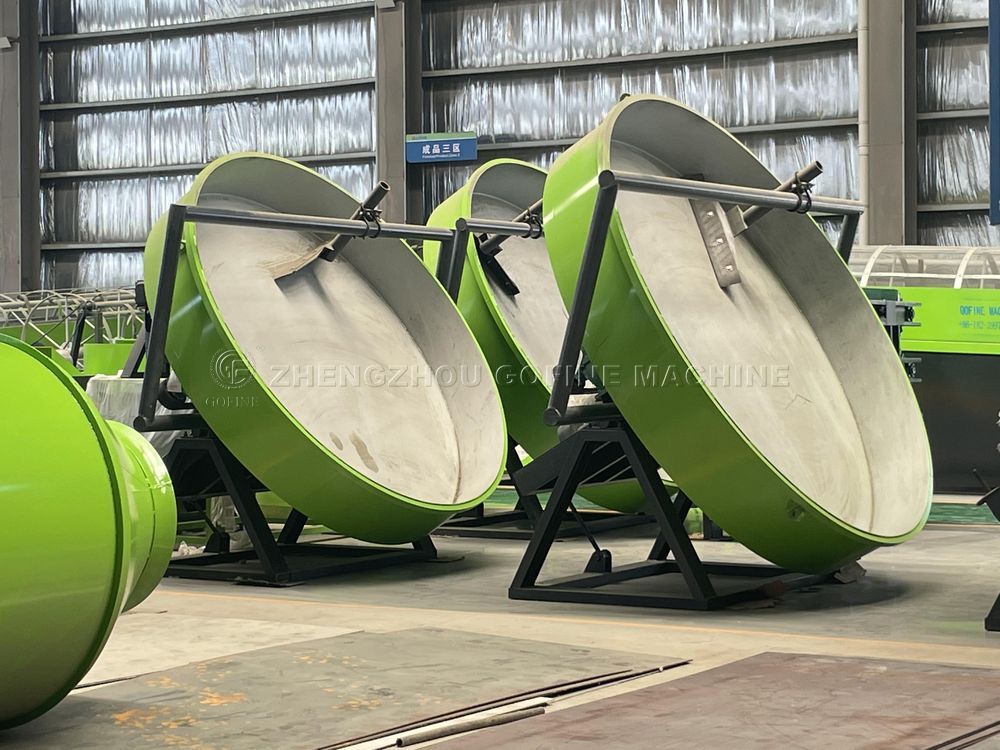
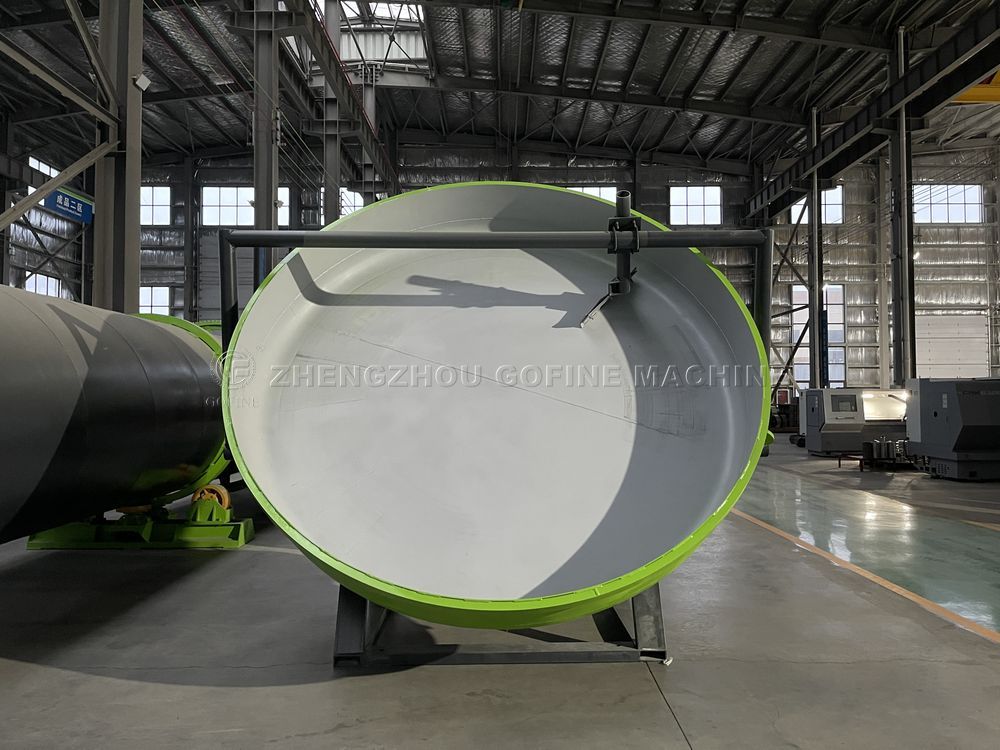
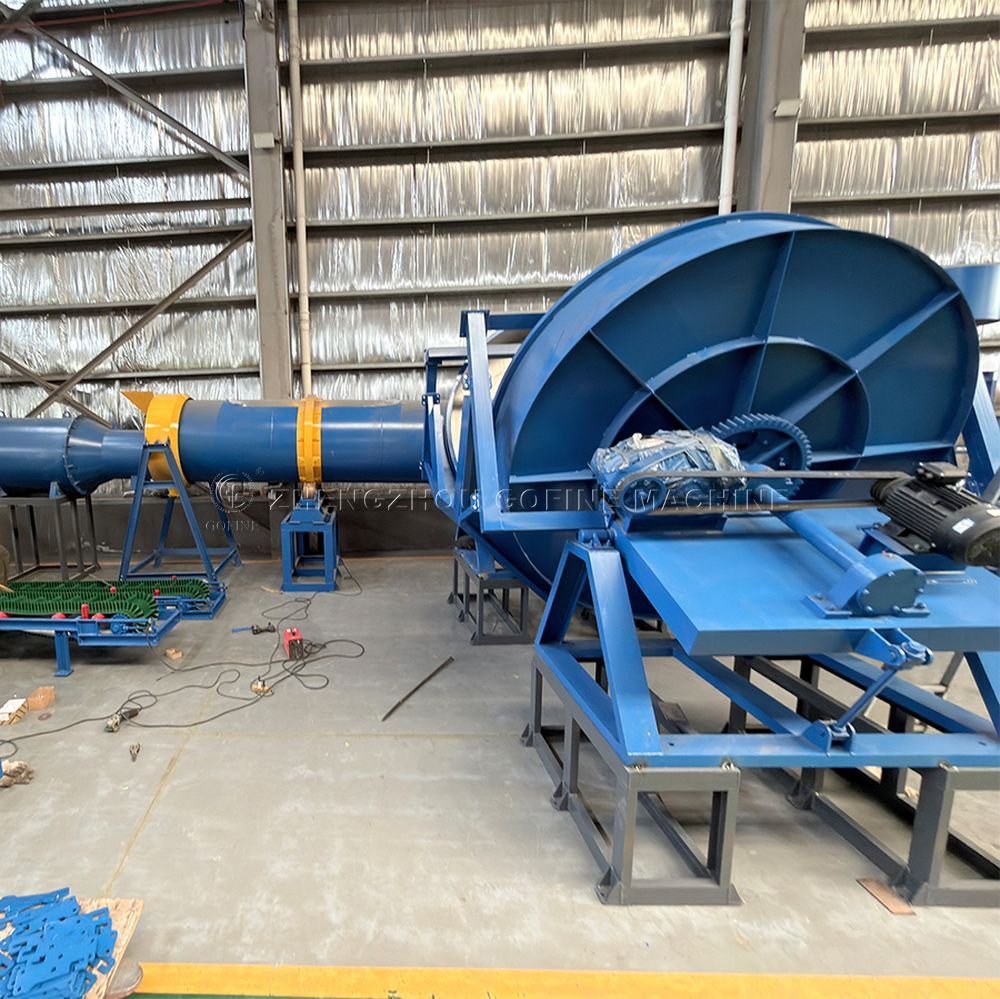
For granular industrial-grade soil conditioners, granulation equipment is an essential component, which converts the mixed and reacted materials into granular products with uniform size, high strength, and good fluidity, facilitating storage, transportation, and large-scale application. Professional granulation equipment for industrial use mainly includes drum granulators, disc granulators, and roller extrusion granulators, which have large output and high granulation efficiency, adapting to large-scale continuous production.
Drum granulators are suitable for large-scale production, with a daily output of tens to hundreds of tons, producing round and uniform particles with high strength, which can be matched with conditioning devices to improve granulation effect. Disc granulators have the advantages of simple structure, easy operation, and low energy consumption, and are suitable for medium and large-scale production lines. They can produce particles of different sizes according to needs, with a particle size range of 2-12mm. Roller extrusion granulators adopt dry granulation technology, no need for drying, energy-saving and environmental protection, and the produced particles have high hardness, suitable for production scenarios without drying conditions. Optional polishing machines can be used to polish the particles, remove edges and corners, and improve the appearance quality of the product.
5. Drying and Cooling Equipment
After granulation, the particles contain a lot of moisture, which is easy to cake and deteriorate during storage and transportation. Drying and cooling equipment is used to remove excess moisture and cool the particles to room temperature, ensuring the stability and shelf life of the finished product. Professional drying and cooling equipment for industrial use has the characteristics of large capacity, high efficiency, and energy saving, adapting to the large-scale production needs of industrial enterprises.
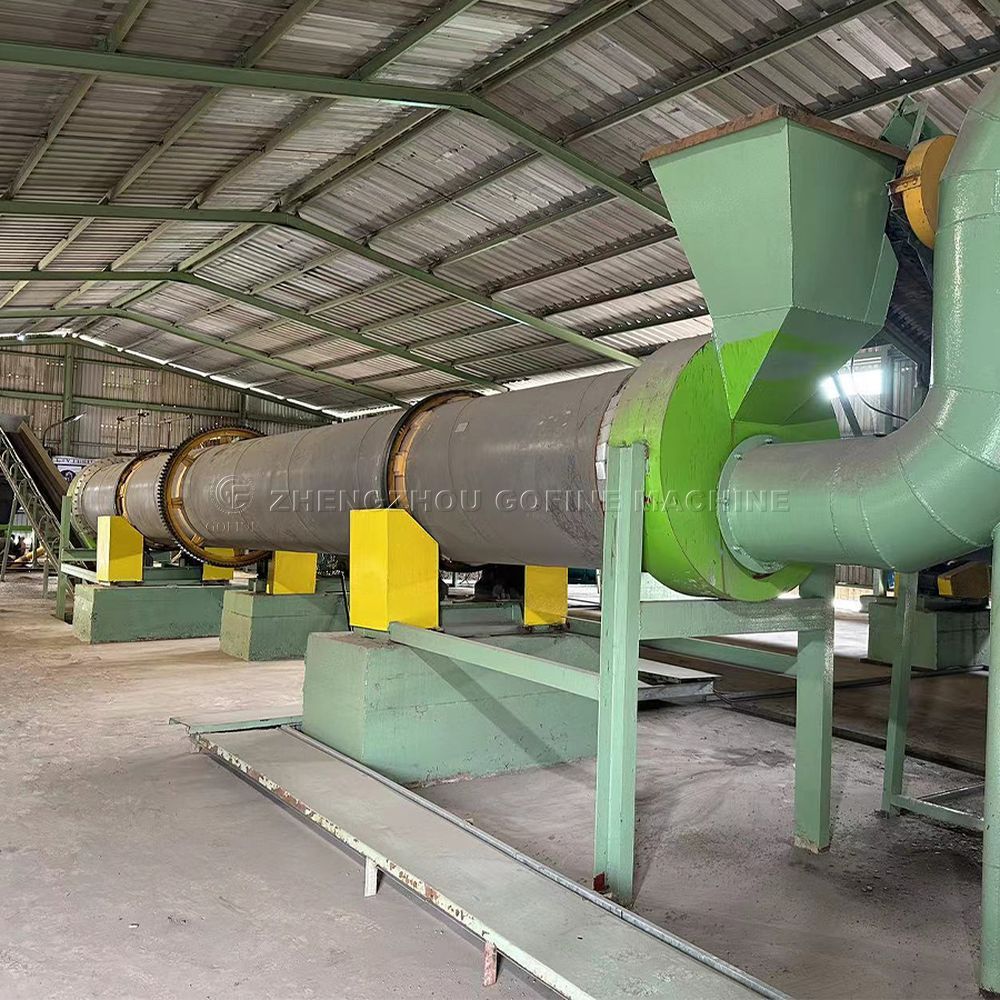
Dryers mainly include drum dryers and fluidized bed dryers. Drum dryers adopt hot air drying technology, with a large drying capacity and uniform drying effect, which can dry a large number of granular materials continuously. The drying temperature can be adjusted according to the moisture content of the particles, usually controlled at 80-120℃, avoiding the loss of active components caused by high temperature. Fluidized bed dryers have high drying efficiency, short drying time, and can realize uniform drying of materials, suitable for drying fine granular or powdered soil conditioners.
Coolers are mainly drum coolers and air-cooled coolers, which adopt countercurrent cooling design, with fast cooling speed and good effect, which can quickly cool the dried particles to room temperature, prevent caking, and improve the hardness of the particles. The cooling equipment is closely connected with the dryer, forming a continuous operation line, which improves production efficiency and reduces manual intervention.
6. Screening and Packaging Equipment
Screening and packaging are the final links of industrial soil conditioner production, which ensure the uniformity of finished products and facilitate subsequent storage, transportation, and sales. Professional screening and packaging equipment for industrial use has the characteristics of high efficiency, high accuracy, and automation, adapting to large-scale production.
Screening equipment mainly includes drum screens and vibrating screens, which can screen qualified particles according to the set particle size, separate unqualified particles (too large or too small), and return the unqualified particles to the granulator for reprocessing, reducing raw material waste. The screening equipment is equipped with automated sorting systems, which can realize continuous screening and improve screening efficiency.
Packaging equipment mainly includes automatic quantitative packaging machines and filling machines. For granular soil conditioners, automatic valve bag packaging machines are used for quantitative packaging, with common specifications of 25kg/bag, 50kg/bag, or 1000kg/bag, with high packaging accuracy and fast packaging speed. For liquid soil conditioners, automatic filling machines are used to fill the products into plastic barrels or IBC tanks of different specifications, with automatic capping and sealing functions. The system is also equipped with automatic labeling and coding equipment, which can print product information such as production date, batch number, and formula, realizing product traceability. Optional palletizers can automatically stack the packaged products, reducing manual labor and improving packaging efficiency.
7. Automation Control System
The automation control system is the "brain" of professional soil conditioner production equipment for industrial use, integrating PLC controllers, touch screens, sensors, and data acquisition systems, realizing real-time monitoring, automatic control, and data management of the entire production process. Industrial production requires high stability and continuity of equipment, and the automation control system can effectively ensure the safe and stable operation of the production line.
Operators can set production parameters such as batching ratio, reaction temperature, drying time, and packaging weight through the touch screen, and the system can automatically adjust the operation of each equipment according to the set parameters, realizing full-process automated operation. The system is equipped with a real-time monitoring function, which can collect and display the operation status of each equipment, production data, and product quality indicators in real time, facilitating operators to grasp the production situation in time.
In addition, the system has an alarm function, which can promptly remind operators of equipment failures or parameter abnormalities, such as excessive temperature, insufficient pressure, and material blockage, ensuring that problems are solved in time and reducing downtime. The data acquisition system can record production data in real time, including raw material consumption, production output, and equipment operation status, providing a basis for production management, process optimization, and quality traceability. Some advanced control systems also support remote monitoring and operation, allowing operators to monitor and control the production line remotely, further improving the convenience of equipment management.
Production Process of Industrial-Grade Soil Conditioner
The production process of industrial-grade soil conditioner is scientific, standardized, and efficient, focusing on large-scale continuous production and stable product quality. Professional soil conditioner production equipment for industrial use adopts a modular and continuous production mode, which can be flexibly adjusted according to the type of finished product (powdered, granular, liquid) and raw material characteristics. The specific production process is as follows:
1. Raw Material Collection and Pretreatment
First, collect industrial raw materials such as industrial solid waste, mineral raw materials, organic waste, and chemical additives, and conduct preliminary sorting to remove large impurities such as stones, metal scraps, and plastic. Then, crush the raw materials into fine particles through a crusher, dehydrate the high-humidity raw materials through a dehydrator to adjust the moisture content to 50-70%, which is suitable for mixing and reaction. Then, screen the crushed raw materials through a sieve to remove residual impurities and unqualified particles, and remove iron impurities through a magnetic separator. Finally, transport the pretreated raw materials to the batching area for subsequent processing.
2. Automated Batching and Mixing
According to the preset product formula, the automation control system controls the high-precision electronic scales to accurately weigh the pretreated raw materials, mineral additives, trace elements, chelating agents, and other auxiliary materials. The weighed raw materials are transported to the sealed batching bins separately, then conveyed to the mixer through the conveyor belt in sequence. The mixer fully mixes the materials, adjusting the stirring speed according to the characteristics of the raw materials, ensuring that all components are evenly distributed, forming a uniform mixture. The mixing time is usually 10-30 minutes, depending on the type and proportion of raw materials.
3. Reaction and Modification
Transport the mixed materials to the reaction and modification equipment. If producing chelated soil conditioners, put the mixed materials into the high-pressure reaction kettle, add chelating agents, and control the temperature, pressure, and pH value to carry out chelation reaction, forming stable chelated compounds. If producing modified soil conditioners using industrial solid waste, put the mixed materials into the modification tank or roasting furnace, and carry out modification treatment under appropriate conditions to activate the active components in the raw materials. The reaction and modification time varies according to the product type, usually 1-6 hours.
4. Granulation (Optional)
If producing granular soil conditioners, transport the reacted and modified materials to the granulator, add an appropriate amount of binder (such as organic binder or inorganic binder), and convert the materials into granular products with uniform size through extrusion, rolling, or other methods. The particle size can be adjusted according to market demand and application scenarios. After granulation, the particles are transported to the drying and cooling link.
5. Drying and Cooling
Transport the granular products to the dryer, and use hot air to dry them, removing excess moisture and reducing the moisture content of the particles to ≤15%, which avoids caking during storage and transportation. The drying temperature and time are controlled by the automation system according to the moisture content of the particles. The dried particles are then transported to the cooler, where they are cooled to room temperature, preventing nutrient loss due to high temperature and improving the hardness and stability of the particles.
6. Screening and Reprocessing
Screen the cooled granular products through a sieve to separate qualified particles from unqualified ones. The qualified particles are transported to the packaging link, and the unqualified particles are returned to the granulator for reprocessing, reducing raw material waste. For powdered soil conditioners, this link can be skipped, and the mixed materials can be directly transported to the packaging link after reaction and modification.
7. Automated Packaging and Storage
Transport the qualified finished products (granular or powdered) to the packaging area, and use automatic packaging machines or filling machines for quantitative packaging. The labeling and coding equipment prints product information such as production date, batch number, and formula on the packaging. The packaged finished products are stored in a cool, dry, and well-ventilated storage warehouse or storage silo, avoiding direct sunlight and moisture, and ensuring the shelf life of the products. For liquid soil conditioners, special storage tanks are used for storage, and anti-corrosion and anti-leakage measures are taken.
Outstanding Advantages of Professional Soil Conditioner Production Equipment for Industrial Use
Compared with small-scale or semi-automated production equipment, professional soil conditioner production equipment for industrial use has obvious advantages in production efficiency, product quality, adaptability, and environmental protection, which can fully meet the needs of industrial large-scale production. The main advantages are as follows:
1. High Production Efficiency, Suitable for Large-Scale Industrial Production
The equipment adopts full-process automated operation and continuous production mode, which can operate 24 hours a day, with large production capacity. The daily output can reach tens to hundreds of tons, which is far higher than small-scale production equipment. The automation control system reduces manual intervention, avoids the impact of human factors on production efficiency, and the production efficiency is increased by more than 70% compared with semi-automated equipment. The modular design of the equipment can be flexibly expanded according to the production scale, adapting to the development needs of industrial enterprises.
2. Stable Product Quality, Meeting Industrial Standards
The high-precision automated batching system ensures the accuracy of the product formula, and the error of raw material proportion is controlled within ±1%, ensuring that the nutrient content and performance of each batch of products are consistent. The reaction and modification equipment accurately controls the production parameters, ensuring the full reaction of raw materials and the stability of functional components. The multi-link quality control links, such as raw material pretreatment, intermediate product inspection, and finished product inspection, further ensure that the finished products meet the industrial standards and can effectively meet the needs of soil improvement.
3. Strong Adaptability, Handling Diverse Industrial Raw Materials
The equipment is designed for industrial raw materials, with strong adaptability, and can handle a variety of raw materials, including industrial solid waste such as fly ash, slag, desulfurized gypsum, and alkali-making white mud, mineral raw materials, organic waste, and chemical additives. It can flexibly adjust the production process and parameters according to the characteristics of different raw materials, realizing the resource utilization of industrial waste and reducing environmental pollution. For example, it can convert fly ash and slag into high-quality soil conditioners, realizing the dual goals of environmental protection and economic benefits.
4. Environmental Protection and Energy Conservation, Meeting Industrial Green Production Requirements
The equipment is equipped with a complete environmental protection system, including dust removal, deodorization, and wastewater treatment equipment. During the crushing, mixing, and granulation processes, the dust generated is collected and treated by dust removal equipment to avoid environmental pollution. The closed reaction and modification equipment and deodorization system effectively solve the odor problem in the production process, meeting industrial environmental protection standards. The wastewater generated during equipment cleaning is treated and reused, reducing water resource waste. At the same time, the equipment adopts energy-saving motors, heat recovery systems, and low-temperature drying technology, reducing energy consumption and realizing green production.
5. Durable Structure, Long Service Life, and Low Maintenance Cost
The core components of the equipment are made of high-quality materials such as 304 stainless steel, high-manganese steel, and wear-resistant alloys, which have strong corrosion resistance, wear resistance, and pressure resistance. The equipment adopts mature manufacturing processes, with reasonable structural design, which can withstand long-term continuous operation under harsh industrial production conditions. The failure rate is low, and the service life can reach 10-15 years or more with proper maintenance. The equipment is easy to disassemble and maintain, and the key components are easy to replace, reducing maintenance costs and downtime.
6. Intelligent Operation, Reducing Labor Cost
The full-process automated operation reduces the demand for manual labor. A single large-scale production line only needs 3-5 operators to complete the monitoring and operation of the entire production process, compared with semi-automated equipment, which requires a large number of manual labor, greatly reducing labor costs. The automation control system has a simple operation interface, and operators can master the operation skills through simple training, reducing the cost of personnel training. The remote monitoring function also further improves the convenience of equipment management, reducing the workload of operators.
Application Scenarios of Professional Soil Conditioner Production Equipment for Industrial Use
Professional soil conditioner production equipment for industrial use has a wide range of applications, suitable for various industrial enterprises and projects related to soil improvement, environmental protection, and industrial waste resource utilization. It can meet the production needs of different types of industrial-grade soil conditioners and adapt to various industrial application scenarios. The main application scenarios are as follows:
1. Industrial Solid Waste Resource Utilization Enterprises
A large amount of industrial solid waste is generated in industrial production, such as fly ash, slag, desulfurized gypsum, and alkali-making white mud. These industrial solid wastes are difficult to handle and easy to cause environmental pollution. Professional soil conditioner production equipment for industrial use can convert these industrial solid wastes into high-quality soil conditioners through scientific processing, realizing the resource utilization of industrial waste, reducing environmental pollution, and achieving the dual goals of environmental protection and economic benefits. Such enterprises usually have large production scales and high requirements for equipment output and efficiency, which can be perfectly matched with the equipment.
2. Large-Scale Fertilizer Production Enterprises
Large-scale fertilizer production enterprises need to produce a variety of soil conditioners to meet the diverse needs of the market. Professional soil conditioner production equipment for industrial use can realize large-scale, standardized production, improve production efficiency and product quality, reduce production costs, and enhance the market competitiveness of enterprises. Enterprises can produce mineral-based, organic-inorganic composite, chelated, and other types of soil conditioners through the equipment, meeting the needs of different soil types and crops.
3. Environmental Protection Enterprises
Environmental protection enterprises are mainly engaged in environmental governance and waste resource utilization. Professional soil conditioner production equipment for industrial use can help environmental protection enterprises carry out projects such as soil remediation and industrial waste treatment, producing soil conditioners suitable for soil remediation, and improving the effect of environmental governance. For example, in the remediation of heavy metal-contaminated soil, the equipment can produce soil conditioners with strong adsorption capacity, which can effectively adsorb heavy metals in the soil and restore soil health.
4. Industrial and Agricultural Integration Projects
In industrial and agricultural integration projects, professional soil conditioner production equipment for industrial use can connect industrial production and agricultural production, converting industrial waste into agricultural soil improvement products, promoting the coordinated development of industry and agriculture. For example, in industrial parks, the equipment can use industrial solid waste generated by enterprises in the park to produce soil conditioners, which are then used in surrounding agricultural planting bases, realizing the recycling of resources and reducing the cost of agricultural production.
5. Land Reclamation and Ecological Restoration Projects
In large-scale land reclamation, saline-alkali land improvement, mine ecological restoration, and other projects, a large amount of industrial-grade soil conditioners are needed to improve soil quality and restore the ecological environment. Professional soil conditioner production equipment for industrial use can produce soil conditioners suitable for different degraded soils, providing a stable supply of high-quality soil conditioners for the project, accelerating the progress of ecological restoration and improving the effect of soil improvement.
Key Maintenance Points of Professional Soil Conditioner Production Equipment for Industrial Use
To ensure the long-term stable operation of professional soil conditioner production equipment for industrial use, extend its service life, and maintain high production efficiency and product quality, regular maintenance is essential. Industrial production has high requirements for equipment continuity and stability, so scientific and standardized maintenance is particularly important. The key maintenance points are as follows:
1. Regular Inspection of Core Components
Regularly inspect the core components of the equipment, such as crushers, mixers, reaction kettles, granulators, and dryers, check for wear, corrosion, looseness, or damage of parts, and replace worn or damaged parts in a timely manner. For example, check the wear of crusher blades, mixer paddles, and granulator rollers, and replace them when the wear exceeds the standard; check the corrosion of the reaction kettle and the tightness of the seal, and repair or replace them in a timely manner to avoid material leakage or reaction failure; check the heating pipe of the dryer and the cooling system of the cooler, and clean or replace them in a timely manner to ensure their normal operation.
2. Lubrication Maintenance
Regularly add lubricating oil to the moving parts of the equipment, such as bearings, gears, and conveyor belts, to reduce friction between parts, prevent wear, and ensure the flexible operation of the equipment. The type and amount of lubricating oil should be selected according to the equipment manual, and the lubricating oil should be replaced regularly to avoid the deterioration of lubricating oil affecting the operation of the equipment. For key components such as reducers, regularly check the oil level and oil quality, and add or replace lubricating oil in a timely manner.
3. Cleaning of Equipment
After each production cycle, clean the equipment thoroughly, including the batching bins, mixer, reaction kettle, granulator, dryer, and packaging machine. Remove the residual materials in the equipment to avoid the caking and deterioration of residual materials, which may affect the quality of subsequent products and the operation of the equipment. For the parts in contact with materials, use appropriate cleaning agents to clean them, ensuring no residue. Clean the dust removal, deodorization, and wastewater treatment equipment regularly to ensure their normal operation and environmental protection effect.
4. Maintenance of Automation Control System
Regularly check the automation control system, including sensors, PLC controllers, touch screens, and connecting lines, to ensure that the system can accurately collect and transmit data, and the control function is normal. Clean the dust on the control panel and connecting lines, check the connection of the lines, and avoid poor contact. Regularly back up the production data in the system to prevent data loss. Calibrate the sensors and high-precision electronic scales regularly to ensure their accuracy, and update the system software if necessary to improve the stability and functionality of the system.
5. Regular Overall Inspection and Calibration
Conduct an overall inspection and calibration of the equipment every six months to one year, including the accuracy of the batching system, the operation of the conveyor belt, the temperature and pressure control of the reaction kettle, the drying effect of the dryer, the cooling effect of the cooler, and the packaging accuracy of the packaging machine. Calibrate the parameters of the equipment to ensure that the equipment operates within the standard range, ensuring the stability of production efficiency and product quality. For aging equipment parts, replace them in a timely manner to avoid major failures.
6. Safety Maintenance
Pay attention to the safety maintenance of the equipment, check the safety protection devices of the equipment regularly, such as emergency stop buttons, safety guards, and pressure relief valves, to ensure their normal operation. Strictly follow the operating procedures when operating the equipment, and prohibit illegal operation. Conduct safety training for operators regularly to improve their safety awareness and emergency handling capabilities. When the equipment is not in use for a long time, clean the equipment thoroughly, dry the moisture in the equipment, and apply anti-rust oil to the metal parts to prevent rust.
Professional soil conditioner production equipment for industrial use is a key equipment for promoting the large-scale production of industrial-grade soil conditioners, the resource utilization of industrial waste, and the development of green agriculture. It integrates advanced automation technology, robust structural design, and mature production processes, with the advantages of high efficiency, stability, durability, strong adaptability, and environmental protection, which can fully meet the needs of industrial large-scale production.
With the continuous emphasis on soil improvement, environmental protection, and industrial waste resource utilization, the demand for professional soil conditioner production equipment for industrial use will continue to grow, and its application scope will become more and more extensive. The equipment not only helps industrial enterprises reduce production costs, improve market competitiveness, but also contributes to the solution of environmental pollution problems and the promotion of sustainable agricultural development.
For industrial enterprises engaged in soil conditioner production and industrial waste resource utilization, choosing high-quality professional soil conditioner production equipment for industrial use is an important investment to achieve sustainable development. By doing a good job in daily maintenance and management, we can maximize the service life and production efficiency of the equipment, create greater economic and social benefits, and promote the coordinated development of industry, agriculture, and the ecological environment.
Related Content
Latest News
- Towed Compost Turner: Heavy-Duty Solution for High-Volume Organic Fertilizer Production
- Stainless Steel Cow Bedding Recovery System: Convert Dairy Manure into Premium Bedding
- Turn Limestone Powder into Premium Mineral Fertilizer: Complete Granulation Production Lines
- How to Make Organo-Mineral Fertilizer from Poultry Manure & Rock Phosphate
- Bedding Recovery System for Dairy Farms | Manure Recycling
- Calcium & Magnesium Chloride Granulation Production Line (Double Roller Extrusion System)
- Heavy-Duty Organic Fertilizer Compost Turner Machine for Commercial Composting
- Disc Granulator Sizes & Material Guide (1m to 6m Models)