


Automated Soil Conditioner Production Equipment - High Efficiency & Durable
Published on: 2026-05-01Soil is the foundation of agricultural production, and its quality directly determines crop yield, quality, and ecological sustainability. With the continuous development of modern agriculture and the increasing prominence of soil problems such as compaction, salinization, nutrient imbalance, and heavy metal pollution, the demand for high-quality soil conditioners is growing rapidly. Automated soil conditioner production equipment, with its high efficiency, durability, and intelligence, has become the core equipment for large-scale, standardized production of soil conditioners. It integrates advanced automation technology, mature production processes, and robust equipment structure, realizing the full-process automated operation from raw material pretreatment to finished product packaging. This article provides a detailed introduction to automated soil conditioner production equipment, including its overview, core components, production process, outstanding advantages, application scenarios, and key maintenance points, helping users fully understand the equipment’s performance and value.
Overview of Automated Soil Conditioner Production Equipment
Automated soil conditioner production equipment is a complete set of integrated production systems designed to produce various types of soil conditioners through automated, continuous operation. It covers all links of soil conditioner production, including raw material crushing, screening, batching, mixing, reaction modification, granulation (optional), drying, cooling, screening, and packaging. The equipment adopts a modular design, which can be flexibly configured according to different raw material types, product formulas, and production scales, adapting to the production needs of various soil conditioners such as mineral-based, organic-based, and chelated soil conditioners.
The core positioning of this equipment is high efficiency and durability. It relies on advanced automation control systems to minimize manual intervention, greatly improving production efficiency while ensuring stable product quality. At the same time, the equipment adopts high-quality materials and mature manufacturing processes, which can withstand long-term continuous operation under harsh production conditions, reducing failure rates and extending service life. It is widely used in large-scale soil conditioner production enterprises, agricultural cooperatives, and environmental protection enterprises, becoming an important support for promoting soil improvement and green agricultural development.
Core Components of Automated Soil Conditioner Production Equipment
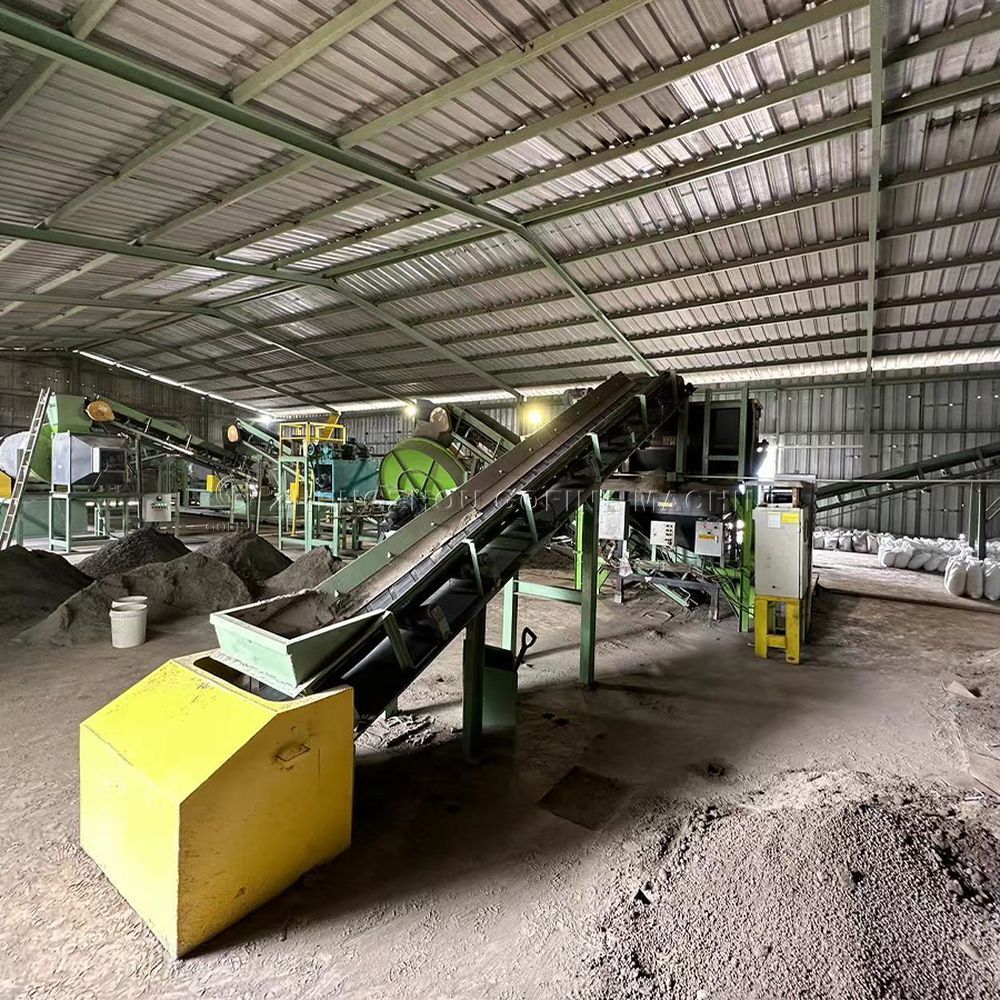
Automated soil conditioner production equipment is composed of multiple functional modules, each of which undertakes a key link in the production process. The rational matching of core components ensures the smooth operation of the entire production line, high production efficiency, and stable product quality. The main core components are as follows:
1. Raw Material Pretreatment Equipment
Raw material pretreatment is the first step in soil conditioner production, which directly affects the quality and processing efficiency of subsequent links. The pretreatment equipment mainly includes crushers, sieves, and dissolvers (for liquid raw materials). For solid raw materials such as natural minerals, industrial waste residues, and organic materials, the crusher crushes lumpy or oversized raw materials into fine powder with uniform particle size, usually 80-120 mesh, to ensure full mixing and reaction in subsequent links. Common crushers include hammer crushers and jaw crushers, which have strong crushing capacity and wear resistance.
The sieve is used to screen the crushed raw materials, removing impurities and unqualified particles, which are then returned to the crusher for reprocessing. This ensures the purity of raw materials and avoids damage to subsequent equipment. For liquid raw materials or water used in production, the dissolver is used to fully dissolve and mix the raw materials, laying the foundation for subsequent batching and reaction modification.
2. Automated Batching and Mixing System
The automated batching and mixing system is the core of ensuring the uniform nutrient content of soil conditioners. It is composed of electronic scales, batching bins, and mixers. The electronic scales adopt high-precision sensors to accurately measure various raw materials according to the preset formula, with errors controlled within a minimal range, ensuring the scientific proportion of each component such as minerals, organic matter, and trace elements.
The batching bins store different raw materials separately to avoid cross-contamination, and the conveyor belt transports the proportioned raw materials to the mixer automatically. The mixer adopts a double-screw or high-speed stirring structure, which can fully mix solid raw materials or liquid-solid mixed raw materials, ensuring that all components are evenly distributed and avoiding nutrient stratification. Some advanced mixers are equipped with frequency conversion speed regulation functions, which can adjust the stirring speed according to the characteristics of raw materials, improving mixing efficiency and effect.
3. Reaction and Modification Equipment
Reaction and modification are key links to improve the effectiveness of soil conditioners, especially for functional soil conditioners such as chelated and heavy metal-adsorbing soil conditioners. The reaction and modification equipment mainly includes reaction kettles and modification tanks, which are usually made of 304 or 316L stainless steel to resist corrosion from acidic, alkaline, and salt-containing raw materials.
The reaction kettle is equipped with heating, cooling, and stirring systems, which can accurately control temperature, pH value, and reaction time according to production process requirements, promoting the full reaction between raw materials to form stable functional components. For example, in the production of chelated soil conditioners, the reaction kettle provides a suitable environment for the reaction between trace elements and chelating agents, forming chelated compounds that are not easily fixed by soil, improving the absorption efficiency of crops. The modification tank is used to modify raw materials such as minerals, enhancing their adsorption capacity and soil improvement effect.
4. Granulation Equipment (Optional)
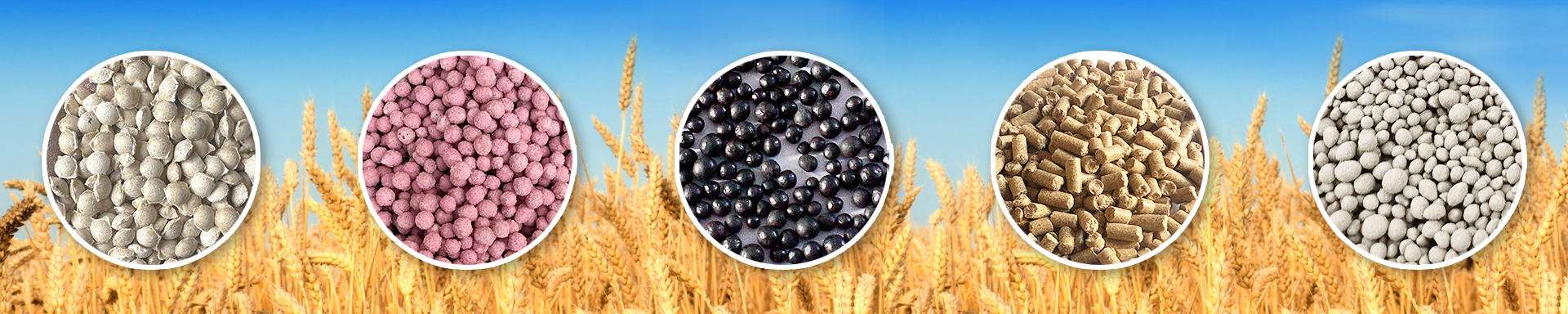
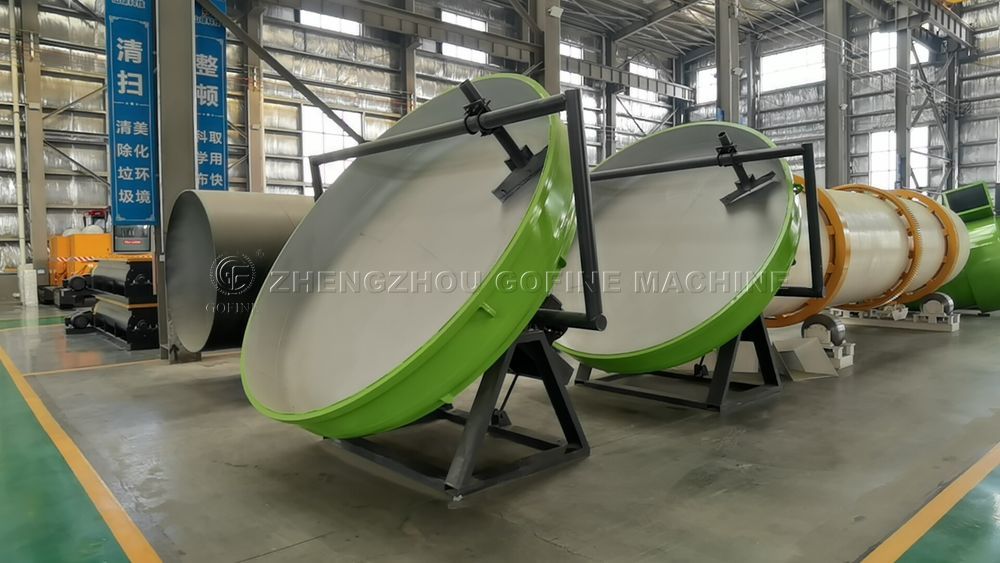
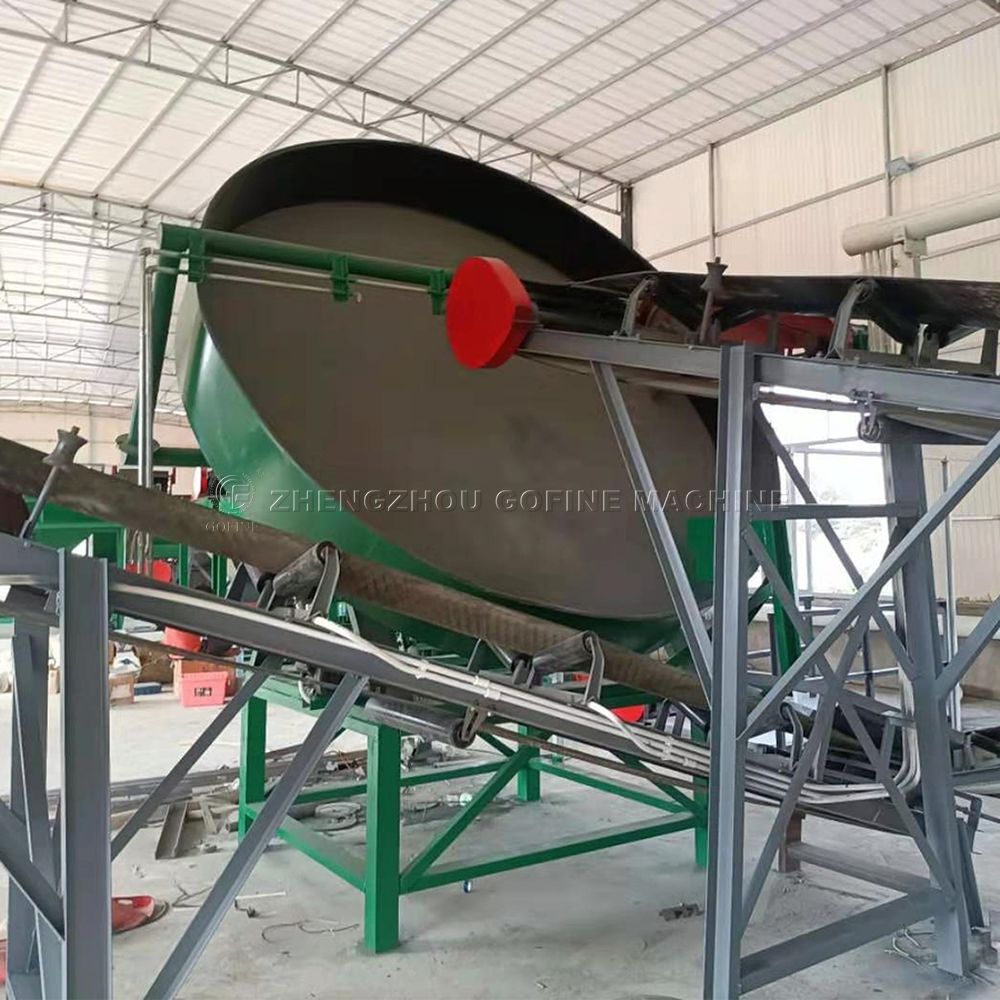
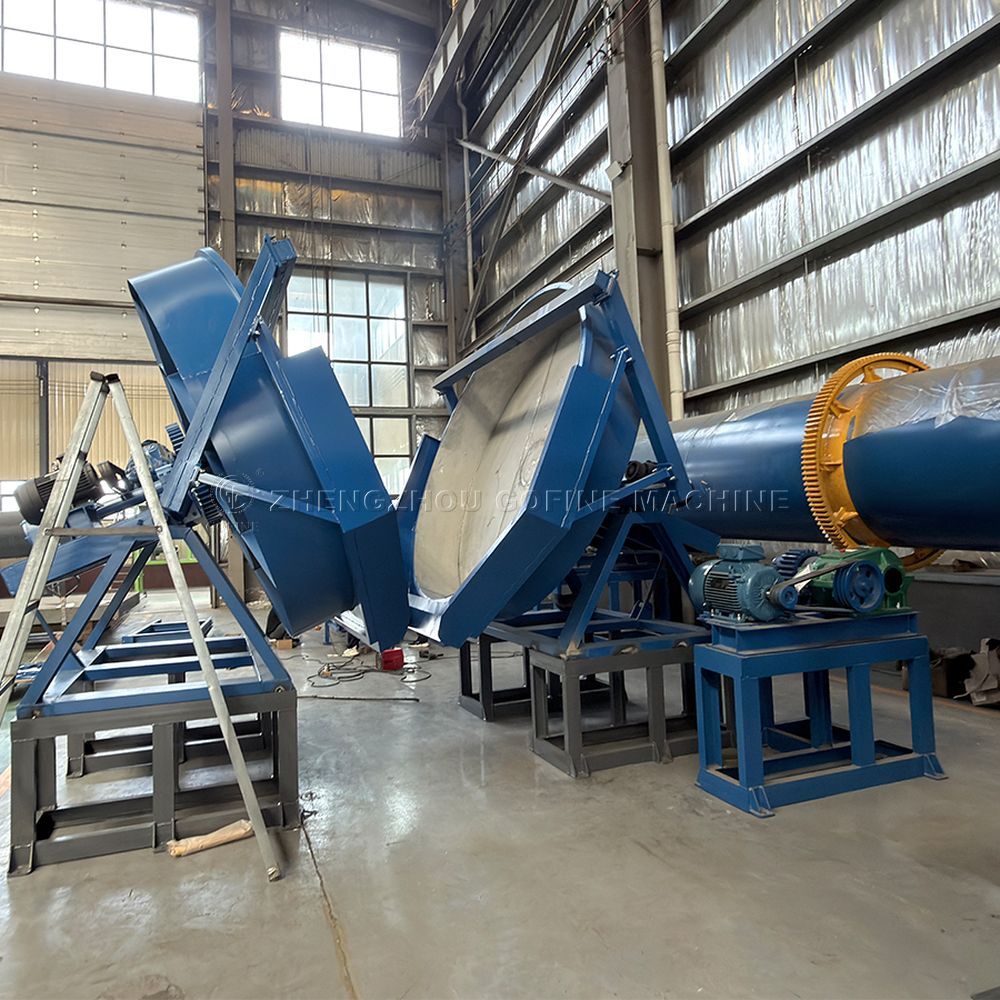
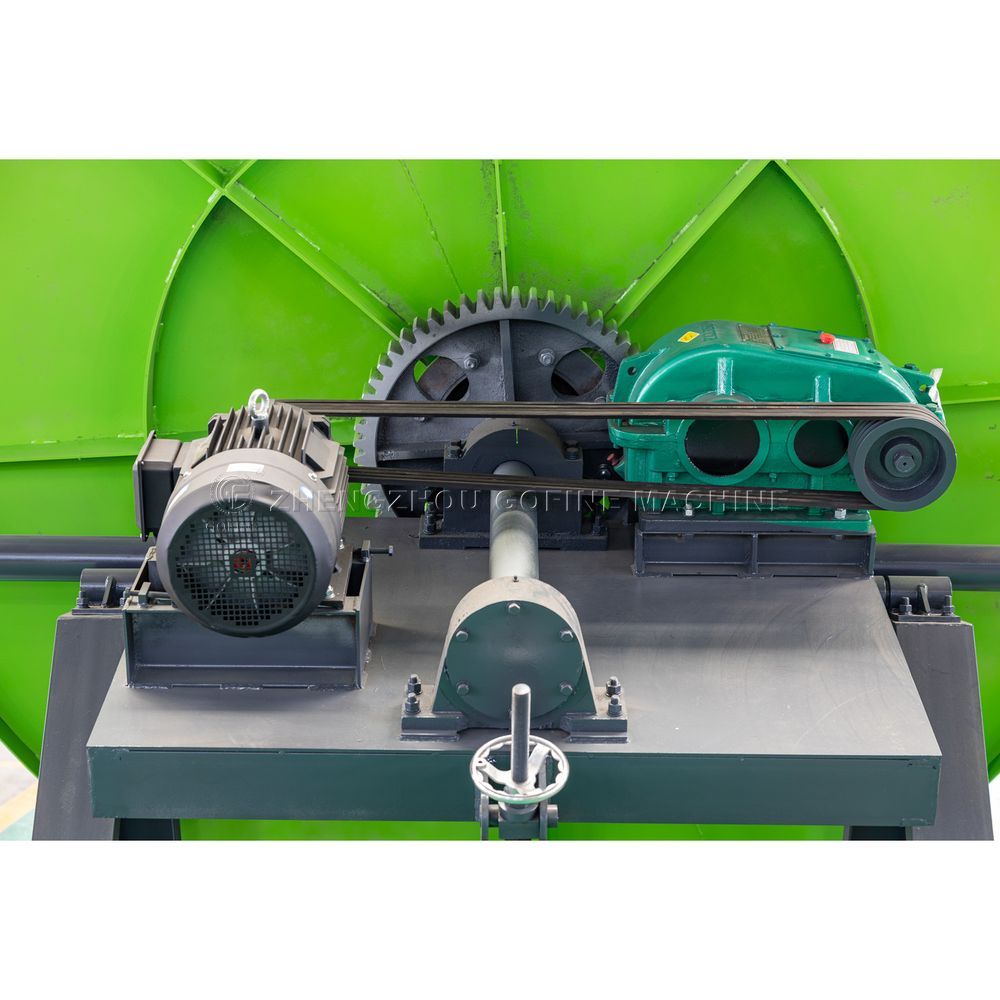
For granular soil conditioners, granulation equipment is an essential component. Common granulation equipment includes rotary drum granulators, extrusion granulators, and disc granulators. The granulator converts the mixed and reacted raw materials into granular products with uniform size and good fluidity, which are convenient for storage, transportation, and application.
The granulation equipment is equipped with automated feeding and discharging systems, and the particle size can be adjusted according to market demand. For example, disc granulators are suitable for small and medium-sized particles, while extrusion granulators are suitable for high-density granular products. The granulation process is fully automated, reducing manual intervention and ensuring the uniformity and stability of granular products.
5. Drying and Cooling Equipment
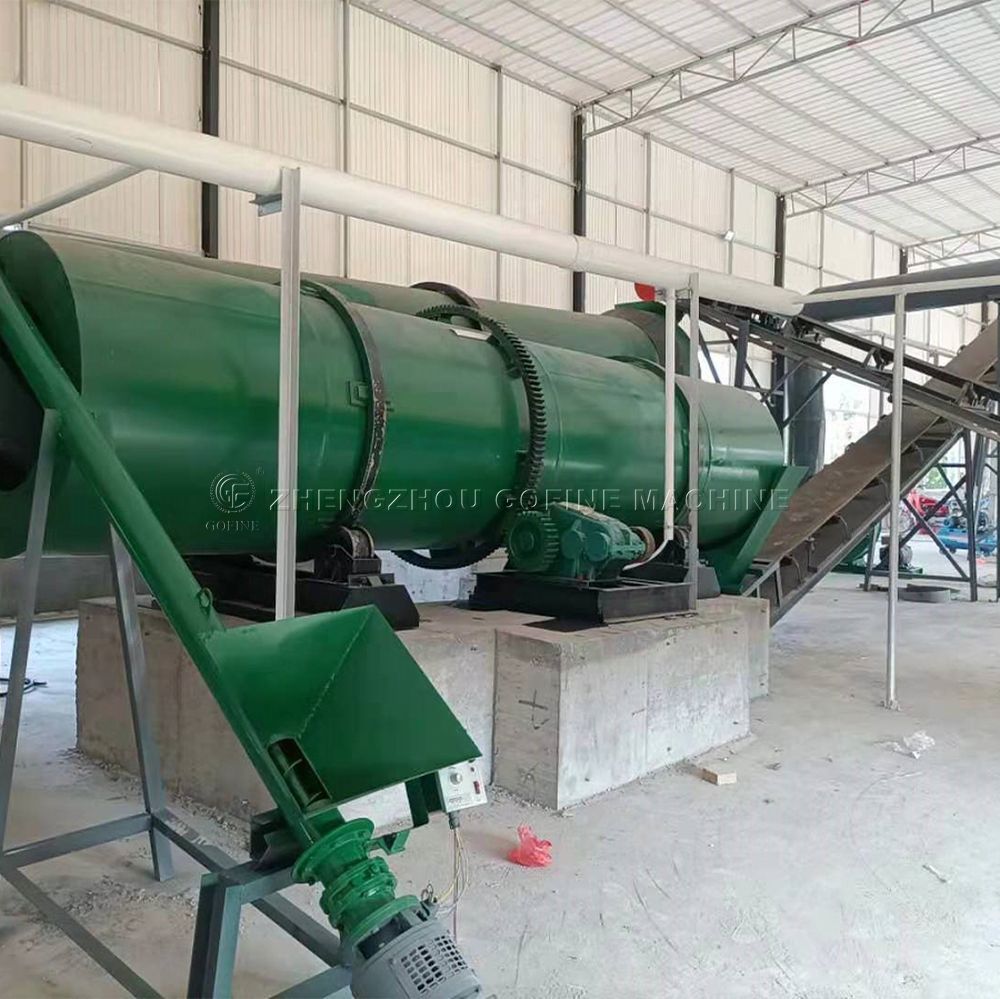
After granulation, the granules contain a large amount of moisture, which is easy to cake during storage. Drying and cooling equipment is used to remove excess moisture and cool the granules to room temperature. The dryer mainly includes boiling dryers and rotary drum dryers, which adopt hot air drying technology, with high drying efficiency and uniform drying effect. The temperature and drying time can be automatically controlled according to the moisture content of the granules, ensuring that the moisture content of the finished product meets the standard.
The cooler rapidly cools the dried granules to room temperature, avoiding nutrient loss due to high temperature and improving the hardness and stability of the granules. Common coolers include rotary coolers and air-cooled coolers, which have good cooling effect and high efficiency, and can be perfectly matched with the dryer to form a continuous operation line.
6. Automated Packaging and Storage System
The automated packaging and storage system is responsible for the final processing of finished products, ensuring convenient storage, transportation, and use. The packaging equipment mainly includes automatic packaging machines and filling machines. For solid granular soil conditioners, automatic valve bag packaging machines are used for quantitative packaging, with common specifications of 5kg/bag, 25kg/bag, etc., and the packaging accuracy is high. For liquid soil conditioners, automatic filling machines are used to fill the products into plastic bottles or barrels of different specifications.
The system is equipped with automatic labeling and coding equipment, which can print product information such as production date, batch number, and formula on the packaging, realizing product traceability. In addition, the production line is equipped with finished product storage tanks (for liquid products) or storage silos (for solid products) to temporarily store finished products, ensuring the continuity of production.
7. Automation Control System
The automation control system is the "brain" of the entire production equipment, integrating PLC controllers, touch screens, and sensors to realize real-time monitoring and automatic control of the entire production process. Operators can set production parameters such as batching ratio, reaction temperature, drying time, and packaging weight through the touch screen, and the system can automatically adjust the operation of each equipment according to the set parameters.
The system has an alarm function, which can promptly remind operators of equipment failures or parameter abnormalities, ensuring the safe and stable operation of the production line. At the same time, the system can record production data in real time, including raw material consumption, production output, and equipment operation status, providing a basis for production management and process optimization. Some advanced control systems also support remote monitoring and operation, further improving the convenience of equipment management.
Production Process of Automated Soil Conditioner
The automated soil conditioner production equipment adopts a continuous and automated production process, which can be flexibly adjusted according to the type of finished product (solid, liquid, granular). The overall process is scientific, standardized, and efficient, ensuring the quality and stability of products. The specific production process is as follows:
1. Raw Material Pretreatment
First, various raw materials (minerals, organic matter, industrial waste residues, trace elements, etc.) are transported to the pretreatment area. Solid raw materials are crushed into fine powder by crushers, then sieved to remove impurities and unqualified particles. Liquid raw materials are put into dissolvers, added with an appropriate amount of water, and stirred to fully dissolve. This step ensures that the raw materials meet the requirements of subsequent processing.
2. Automated Batching
According to the preset product formula, the automation control system controls the electronic scales to accurately weigh each pretreated raw material. The weighed raw materials are transported to the batching bins separately, then conveyed to the mixer through the conveyor belt in sequence. The entire batching process is fully automated, avoiding human error and ensuring the accuracy of the formula.
3. Mixing
The proportioned raw materials are put into the mixer for full mixing. The mixer adopts high-speed stirring or double-screw mixing technology, which can make all components evenly distributed, forming a uniform mixture. The mixing time and speed can be automatically adjusted according to the characteristics of the raw materials, ensuring the mixing effect.
4. Reaction and Modification
The mixed materials are transported to the reaction kettle or modification tank. According to the production process requirements, the system controls the temperature, pH value, and reaction time of the reaction kettle, promoting the full reaction between the raw materials to form functional components. For example, in the production of mineral-based soil conditioners, the modification tank modifies the minerals to enhance their ability to improve soil structure.
5. Granulation (Optional)
If producing granular soil conditioners, the reacted materials are transported to the granulator. The granulator adds an appropriate amount of binder (such as water or organic binder) to the materials, and converts them into granular products with uniform size through extrusion, rolling, or other methods. The particle size can be adjusted according to the set parameters.
6. Drying and Cooling
The granular products are transported to the dryer, and hot air is used to dry them to remove excess moisture, ensuring that the moisture content of the granules meets the standard. The dried granules are then transported to the cooler, where they are cooled to room temperature to avoid caking and improve granule hardness.
7. Screening and Reprocessing
The cooled granules are sieved by a sieve to separate qualified granules from unqualified ones (too large or too small). The unqualified granules are returned to the granulator for reprocessing, reducing raw material waste.
8. Automated Packaging and Storage
The qualified finished products (granular or liquid) are transported to the packaging area. The automatic packaging machine or filling machine performs quantitative packaging, and the labeling and coding equipment prints product information. The packaged finished products are stored in storage silos or storage tanks for subsequent distribution.
Outstanding Advantages of Automated Soil Conditioner Production Equipment
Compared with traditional manual or semi-automated production equipment, automated soil conditioner production equipment has obvious advantages in efficiency, quality, durability, and environmental protection, which is the development trend of soil conditioner production. The main advantages are as follows:
1. High Production Efficiency
The equipment adopts full-process automated operation, from raw material pretreatment to finished product packaging, which greatly reduces manual intervention. The continuous production mode ensures that the production line can operate 24 hours a day, with high production capacity. Compared with traditional semi-automated equipment, the production efficiency is increased by 50% or more, which can meet the large-scale production needs of enterprises and improve market supply capacity.
2. Excellent Durability and Stability
The core components of the equipment are made of high-quality materials, such as 304 stainless steel, high-manganese steel, and wear-resistant alloys, which have strong corrosion resistance, wear resistance, and pressure resistance. The equipment adopts mature manufacturing processes, with reasonable structural design, which can withstand long-term continuous operation under harsh production conditions. The failure rate is low, and the service life can reach 8-10 years or more with proper maintenance, reducing the cost of equipment replacement and maintenance.
3. Stable and Reliable Product Quality
The automated batching and mixing system ensures the accuracy of the product formula, and the error of raw material proportion is controlled within a minimal range. The automation control system can accurately control each production parameter, such as reaction temperature, mixing time, and drying moisture, ensuring that the nutrient content, particle size, and stability of each batch of products are consistent. This avoids the quality fluctuation caused by manual operation, improves the qualification rate of products, and enhances the market competitiveness of products.
4. Strong Flexibility and Adaptability
The equipment adopts a modular design, which can be flexibly configured according to different raw material types, product formulas, and production scales. It can produce various types of soil conditioners, such as mineral-based, organic-based, chelated, and granular soil conditioners, meeting the diverse needs of different soil types, crops, and application scenarios. The production parameters can be adjusted freely through the control system, realizing the production of multiple products with one set of equipment, improving the utilization rate of equipment.
5. Environmental Protection and Energy Conservation
The equipment is equipped with a complete environmental protection system, including dust removal, wastewater treatment, and noise reduction equipment. During the crushing and mixing process, the dust generated is collected and treated by dust removal equipment to avoid environmental pollution. The wastewater generated during equipment cleaning is treated and reused, reducing water resource waste. At the same time, the equipment adopts energy-saving motors and heat recovery systems, reducing energy consumption and meeting the requirements of green production.
6. Labor Cost Saving
The full-process automated operation reduces the demand for manual labor. A single production line only needs 2-3 operators to complete the monitoring and operation of the entire production process, compared with traditional semi-automated equipment, which requires a large number of manual labor, greatly reducing labor costs. In addition, the equipment has a simple operation interface, and operators can master the operation skills through simple training, reducing the cost of personnel training.
Application Scenarios of Automated Soil Conditioner Production Equipment
Automated soil conditioner production equipment has a wide range of applications, suitable for various scales of enterprises and institutions related to soil improvement and agricultural production. It can meet the production needs of different types of soil conditioners and adapt to various application scenarios. The main application scenarios are as follows:
1. Large-Scale Soil Conditioner Production Enterprises
Large-scale production enterprises have large production demand and high requirements for product quality and efficiency. Automated soil conditioner production equipment can realize large-scale, continuous, and standardized production, improving production efficiency and product quality, reducing production costs, and meeting the market demand for a large number of soil conditioners. It can also carry out customized production according to the needs of different regions, soil types, and crops, enhancing the market competitiveness of enterprises.
2. Agricultural Cooperatives and Large-Scale Planting Bases
Agricultural cooperatives and large-scale planting bases have a large demand for soil conditioners, and the quality of soil conditioners directly affects crop yield and quality. The automated production equipment can produce soil conditioners suitable for their own planting crops, ensuring the quality and safety of products, and reducing the cost of purchasing soil conditioners. The flexible configuration of the equipment can adjust the production scale and product type according to the planting scale and crop growth needs, adapting to the actual production needs of cooperatives and planting bases.
3. Environmental Protection Enterprises
Environmental protection enterprises can use industrial waste residues, such as fly ash, slag, and desulfurized gypsum, as raw materials to produce soil conditioners through automated production equipment, realizing the resource utilization of industrial waste residues, reducing environmental pollution, and achieving the dual goals of environmental protection and economic benefits. The equipment can handle various industrial waste residues, with strong adaptability, and can produce high-quality soil conditioners that meet the standard.
4. Agricultural Science and Technology Institutions
Agricultural science and technology institutions can use automated soil conditioner production equipment to carry out research and development of new soil conditioner products, test the effect of different formulas and production processes, and provide technical support for the promotion and application of new products. The flexibility and adjustability of the equipment are conducive to the research and development of new products and the optimization of production processes, promoting the technological progress of the soil conditioner industry.
5. Land Reclamation and Ecological Restoration Projects
In land reclamation, saline-alkali land improvement, and mine ecological restoration projects, a large amount of soil conditioners are needed to improve soil quality and restore ecological environment. Automated soil conditioner production equipment can produce soil conditioners suitable for different degraded soils, providing a stable supply of high-quality soil conditioners for the project, accelerating the progress of ecological restoration and improving the effect of soil improvement.
Key Maintenance Points of Automated Soil Conditioner Production Equipment
To ensure the long-term stable operation of automated soil conditioner production equipment, extend its service life, and maintain high production efficiency and product quality, regular maintenance is essential. The key maintenance points are as follows:
1. Regular Inspection of Core Components
Regularly inspect the core components of the equipment, such as crushers, mixers, reaction kettles, and granulators, check for wear, corrosion, or looseness of parts, and replace worn or damaged parts in a timely manner. For example, check the wear of crusher blades and mixer paddles, and replace them when the wear exceeds the standard; check the corrosion of the reaction kettle and repair or replace it in a timely manner to avoid material leakage.
2. Lubrication Maintenance
Regularly add lubricating oil to the moving parts of the equipment, such as bearings, gears, and conveyor belts, to reduce friction between parts, prevent wear, and ensure the flexible operation of the equipment. The type and amount of lubricating oil should be selected according to the equipment manual, and the lubricating oil should be replaced regularly to avoid the deterioration of lubricating oil affecting the operation of the equipment.
3. Cleaning of Equipment
After each production cycle, clean the equipment thoroughly, including the batching bins, mixer, reaction kettle, granulator, dryer, and packaging machine. Remove the residual materials in the equipment to avoid the caking and deterioration of residual materials, which may affect the quality of subsequent products and the operation of the equipment. For the parts in contact with materials, use appropriate cleaning agents to clean them, ensuring no residue.
4. Maintenance of Automation Control System
Regularly check the automation control system, including sensors, PLC controllers, and touch screens, to ensure that the system can accurately collect and transmit data, and the control function is normal. Clean the dust on the control panel and connecting lines, check the connection of the lines, and avoid poor contact. Regularly back up the production data in the system to prevent data loss.
5. Regular Overall Inspection and Calibration
Conduct an overall inspection and calibration of the equipment every six months to one year, including the accuracy of the electronic scales, the operation of the conveyor belt, the temperature control of the reaction kettle, and the packaging accuracy of the packaging machine. Calibrate the parameters of the equipment to ensure that the equipment operates within the standard range, ensuring the stability of production efficiency and product quality.
Automated soil conditioner production equipment, with its high efficiency, durability, and intelligence, has become an indispensable core equipment in the soil conditioner production industry. It realizes the full-process automated operation of soil conditioner production, improves production efficiency, ensures product quality, reduces production costs, and promotes the large-scale and standardized development of the soil conditioner industry. With the continuous emphasis on soil improvement and green agriculture, the demand for automated soil conditioner production equipment will continue to grow, and its application scope will become more and more extensive.
The equipment’s modular design, strong flexibility, and good environmental protection performance make it suitable for various production scenarios, providing strong support for soil improvement, agricultural production, and environmental protection. For enterprises and institutions engaged in soil conditioner production, choosing high-quality automated soil conditioner production equipment is an important investment to improve market competitiveness and achieve sustainable development. By doing a good job in equipment maintenance and management, we can maximize the service life and production efficiency of the equipment, creating greater economic and social benefits.
Related Content
Latest News
- Heavy-Duty 2.5m Disc Granulator for Mineral Fertilizer
- Towed Compost Turner: Heavy-Duty Solution for High-Volume Organic Fertilizer Production
- Stainless Steel Cow Bedding Recovery System: Convert Dairy Manure into Premium Bedding
- Turn Limestone Powder into Premium Mineral Fertilizer: Complete Granulation Production Lines
- How to Make Organo-Mineral Fertilizer from Poultry Manure & Rock Phosphate
- Bedding Recovery System for Dairy Farms | Manure Recycling
- Calcium & Magnesium Chloride Granulation Production Line (Double Roller Extrusion System)
- Heavy-Duty Organic Fertilizer Compost Turner Machine for Commercial Composting