


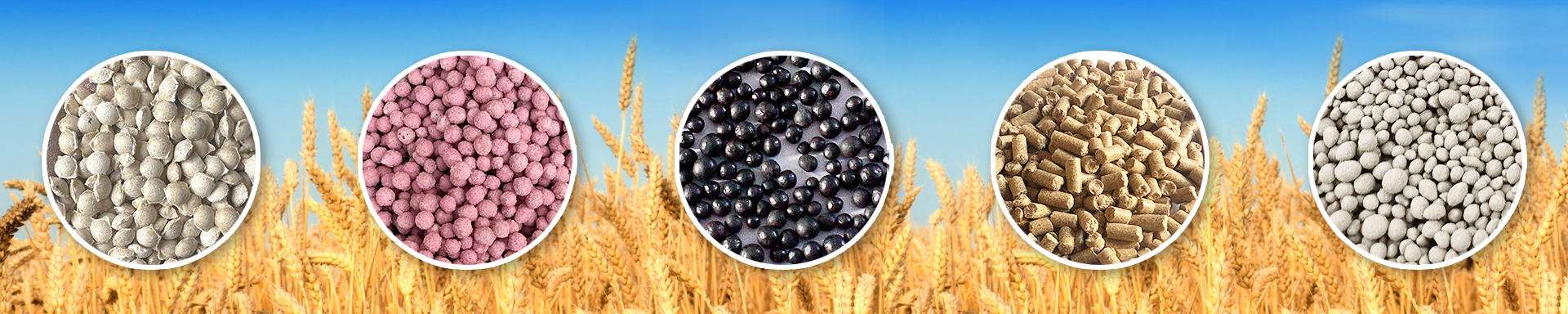
Liquid/Solid Trace Element Fertilizer Production Line for Sale
Published on: 2026-04-30Trace elements are essential nutrients for crop growth and development, playing a crucial role in improving crop yield, quality, and stress resistance. With the continuous development of modern agriculture, the demand for high-quality trace element fertilizers is increasing, driving the prosperity of the related production equipment market. A liquid/solid trace element fertilizer production line integrates advanced technology, efficient equipment, and scientific processes, enabling the simultaneous production of liquid and solid trace element fertilizers to meet the diverse needs of different crops, soil conditions, and application scenarios. This article provides a detailed introduction to the liquid/solid trace element fertilizer production line for sale, including its core components, production processes, functional advantages, application scenarios, and key considerations for purchase, helping users fully understand the product and make informed decisions.
Overview of Liquid/Solid Trace Element Fertilizer Production Line
A liquid/solid trace element fertilizer production line is a complete set of equipment designed to produce both liquid and solid trace element fertilizers through standardized, automated processes. It covers the entire production cycle from raw material pretreatment, ingredient mixing, reaction chelation, to finished product processing, packaging, and storage. The line is highly flexible, allowing for free switching between liquid and solid production modes according to market demand, which greatly improves production efficiency and resource utilization. It is suitable for large-scale fertilizer production enterprises, agricultural cooperatives, and related processing plants, and can produce a variety of trace element fertilizer products, such as chelated trace element fertilizers, water-soluble trace element fertilizers, and granular trace element fertilizers.
The core advantage of this production line lies in its integration of liquid and solid production technologies, avoiding the need for separate investment in two sets of production equipment, thus reducing initial investment and operational costs. At the same time, the line adopts advanced automation control systems, which minimize manual intervention, ensure stable product quality, and improve production efficiency. Whether it is liquid products with high absorption efficiency or solid products with convenient storage and transportation, the production line can meet the strict quality standards of the agricultural industry.
Core Components of the Production Line
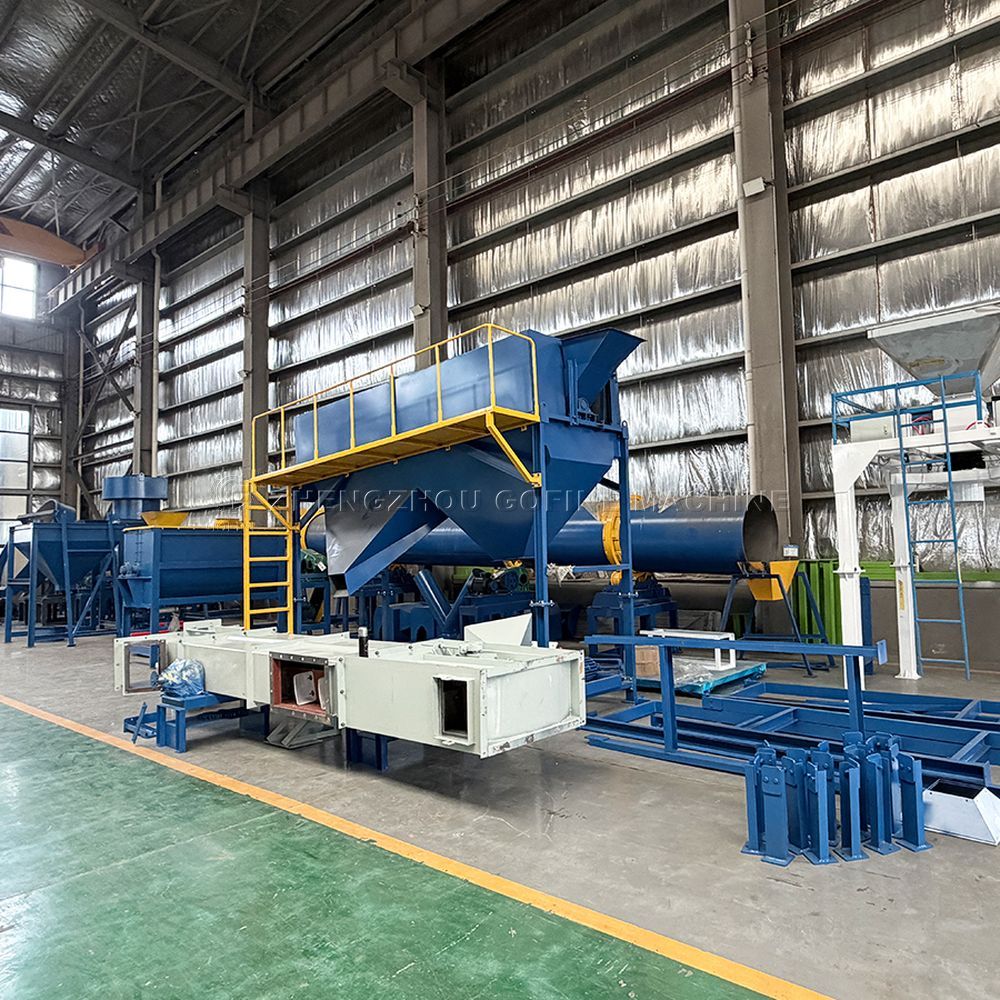
The liquid/solid trace element fertilizer production line is composed of multiple functional equipment modules, each of which undertakes a key link in the production process. The core components are reasonably matched to ensure the smooth operation of the entire line and the stability of product quality. The main components are as follows:
1. Raw Material Pretreatment Equipment
Raw material pretreatment is the first step in the production process, directly affecting the quality of finished products. The pretreatment equipment mainly includes crushers, sieves, and dissolvers. For solid raw materials (such as zinc sulfate, ferrous sulfate, borax, and molybdate), the crusher crushes lumpy or oversized raw materials into fine powder with uniform particle size (usually 80-100 mesh or more) to ensure full mixing and reaction in subsequent links. The sieve is used to screen the crushed raw materials, removing impurities and unqualified particles, which are then returned to the crusher for reprocessing. For liquid raw materials or water used in production, the dissolver is used to fully dissolve and mix the raw materials, laying the foundation for subsequent chelation reactions.
2. Batching and Mixing System
The batching and mixing system is the core of ensuring the uniform content of trace elements in finished products. It is composed of electronic scales, batching bins, and mixers. The electronic scales adopt high-precision sensors to accurately measure various raw materials according to the preset formula, with errors controlled within a minimal range, ensuring the scientific proportion of each trace element (such as iron, zinc, manganese, copper, boron, molybdenum). The batching bins store different raw materials separately to avoid cross-contamination, and the conveyor transports the proportioned raw materials to the mixer. The mixer adopts a double-screw or high-speed stirring structure, which can fully mix solid raw materials or liquid raw materials, ensuring that trace elements are evenly distributed and avoiding nutrient stratification.
3. Chelation Reaction Equipment
Chelation reaction is a key link in the production of high-quality trace element fertilizers, especially for chelated trace element products. The chelation reaction equipment mainly includes reaction kettles and chelation tanks, which are usually made of 304 or 316L stainless steel to resist corrosion from trace element salts and acidic environments. The reaction kettle is equipped with a heating, cooling, and stirring system, which can control the temperature, pH value, and reaction time according to the production process requirements, promoting the full reaction between trace elements and chelating agents (such as EDTA, DTPA, EDDHA) to form stable chelated compounds. These compounds are not easy to be fixed by soil, improving the absorption efficiency of crops.
4. Solid Fertilizer Processing Equipment
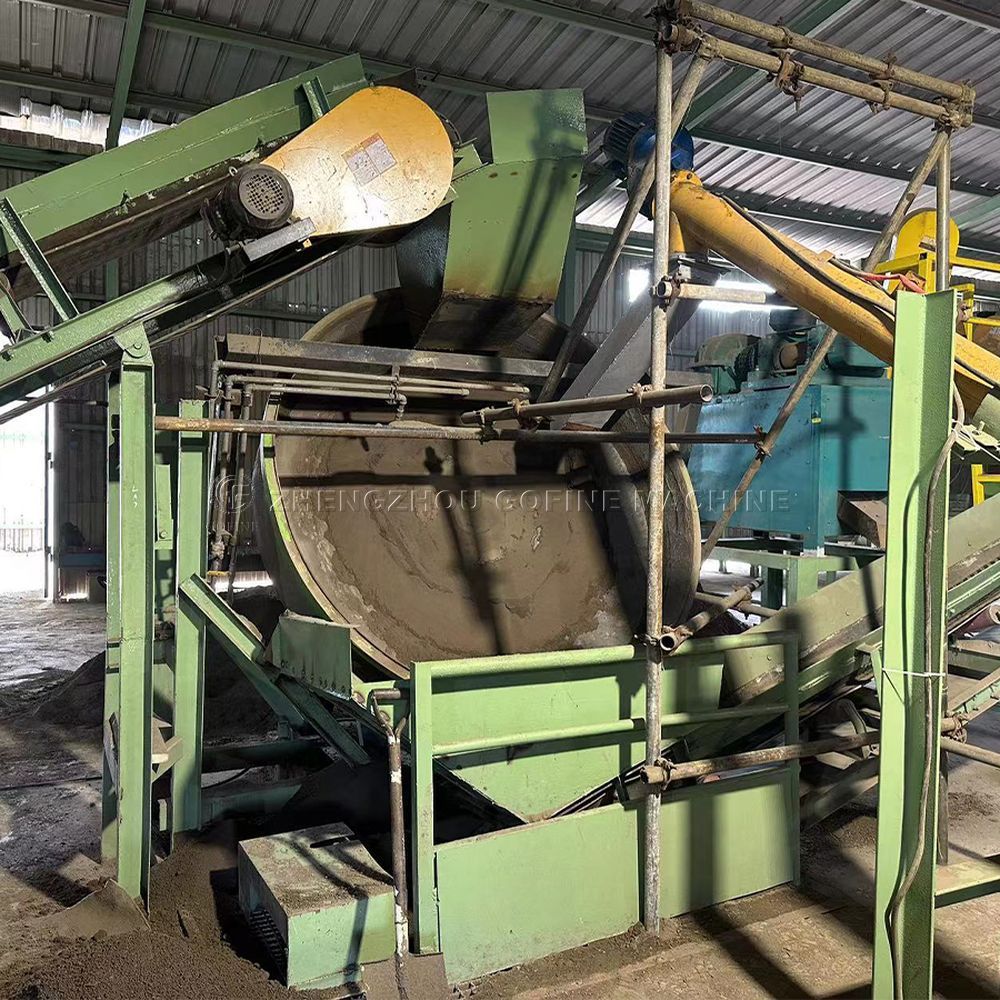
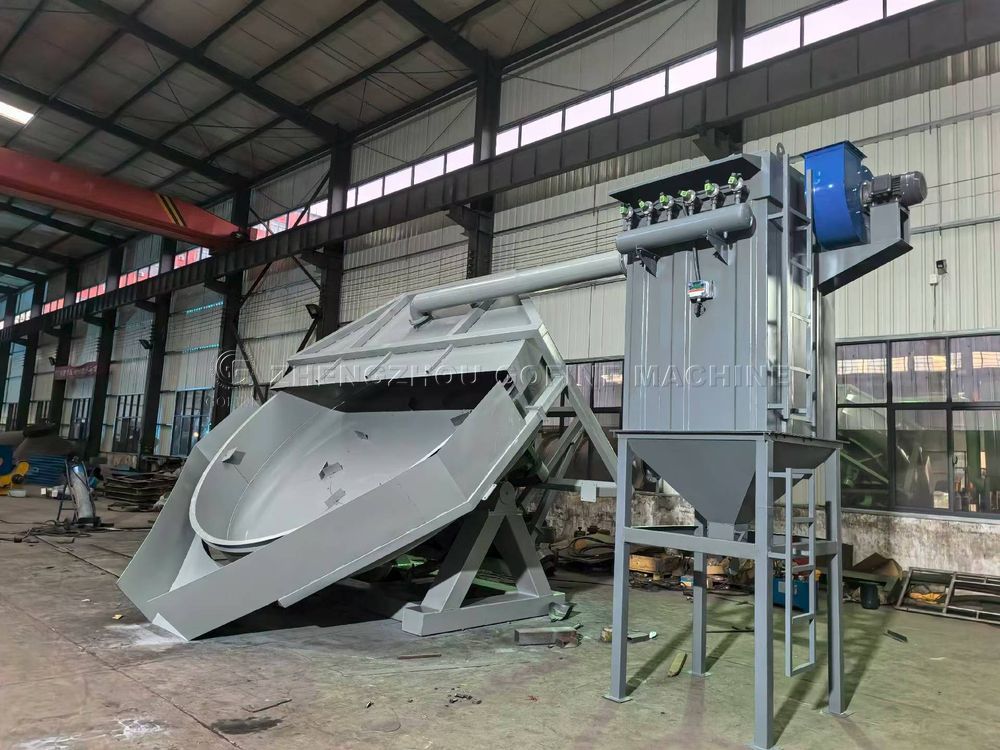
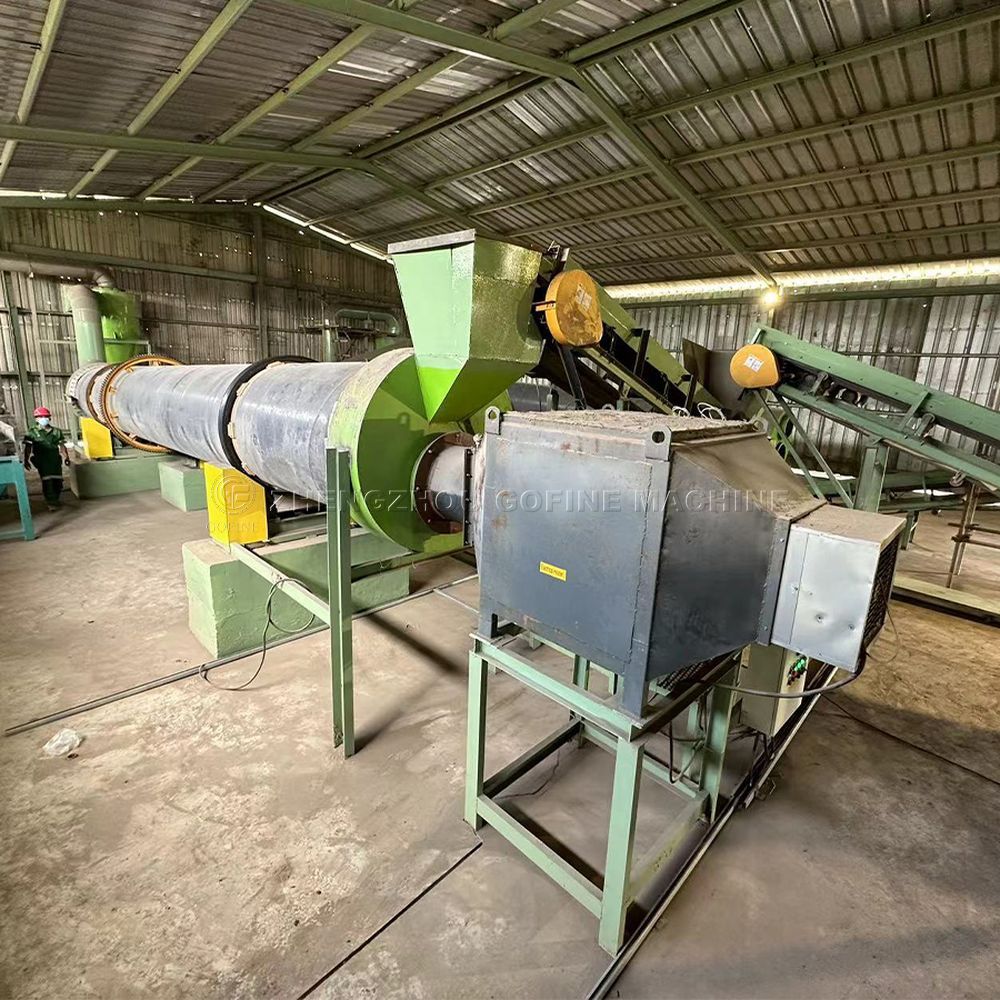
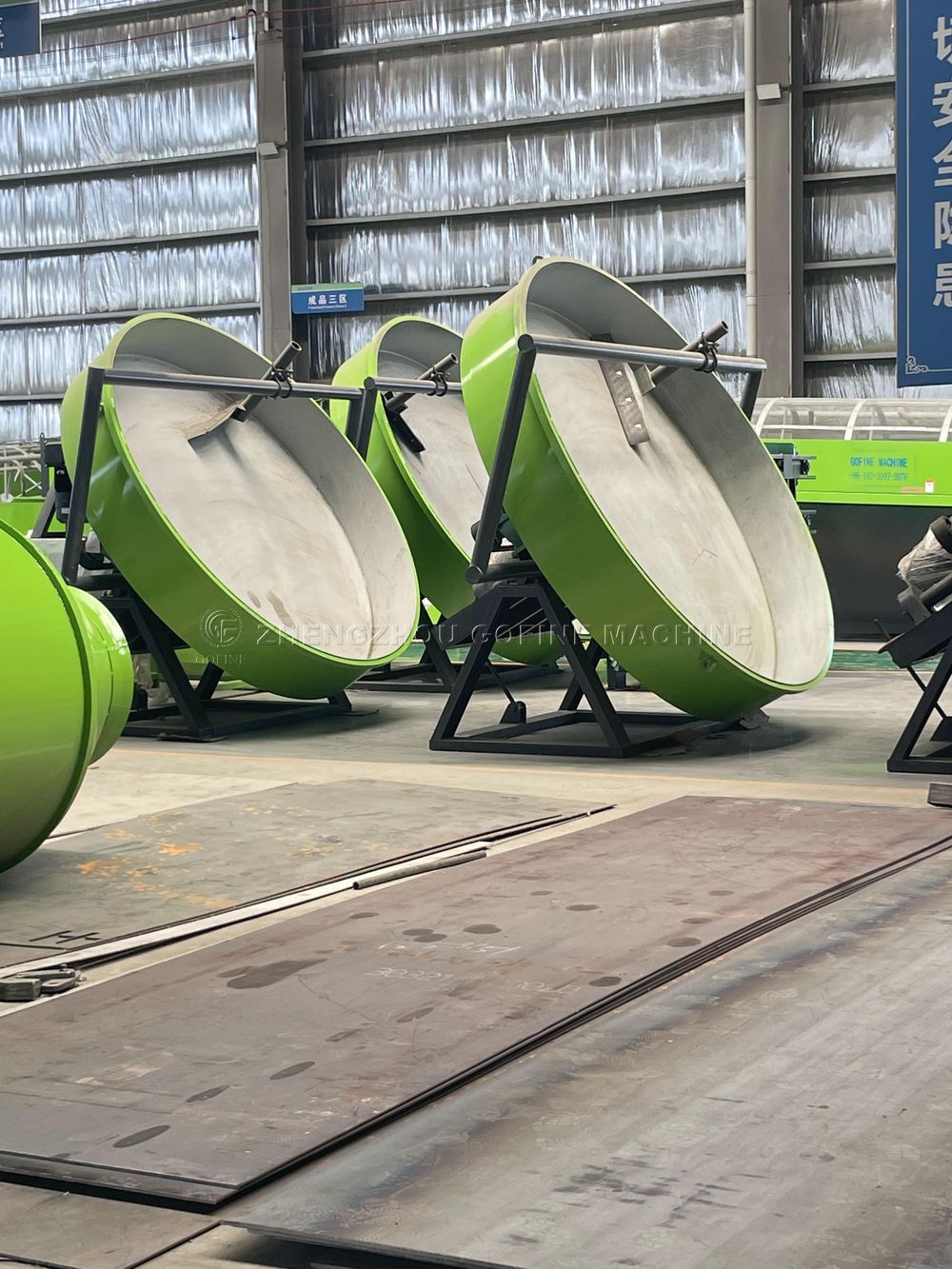
For the production of solid trace element fertilizers, the processing equipment mainly includes granulators, dryers, coolers, and sieves. The granulator converts the mixed and reacted raw materials into granular products with uniform size and good fluidity, and common types include rotary drum granulators, extrusion granulators, and disc granulators. The dryer removes excess moisture from the granules to prevent caking during storage, and common types include boiling dryers and rotary drum dryers. The cooler rapidly cools the dried granules to room temperature, avoiding nutrient loss due to high temperature and improving granule hardness. The sieve separates qualified granules from unqualified ones (too large or too small), and the unqualified granules are returned to the granulator for reprocessing.
5. Liquid Fertilizer Processing Equipment
For the production of liquid trace element fertilizers, the processing equipment mainly includes filtration systems, homogenizers, and pH adjustment devices. The filtration system (such as bag filters or precision filters) removes impurities and insoluble substances from the liquid mixture to ensure the clarity and transparency of the finished liquid product. The homogenizer further refines the liquid mixture, making the molecular structure uniform and avoiding stratification or precipitation during storage. The pH adjustment device uses acids (such as phosphoric acid) or alkalis (such as potassium hydroxide) to adjust the pH value of the liquid fertilizer to the range of 3-6, ensuring the stability of trace elements and preventing hydrolysis and precipitation.
6. Packaging and Storage Equipment
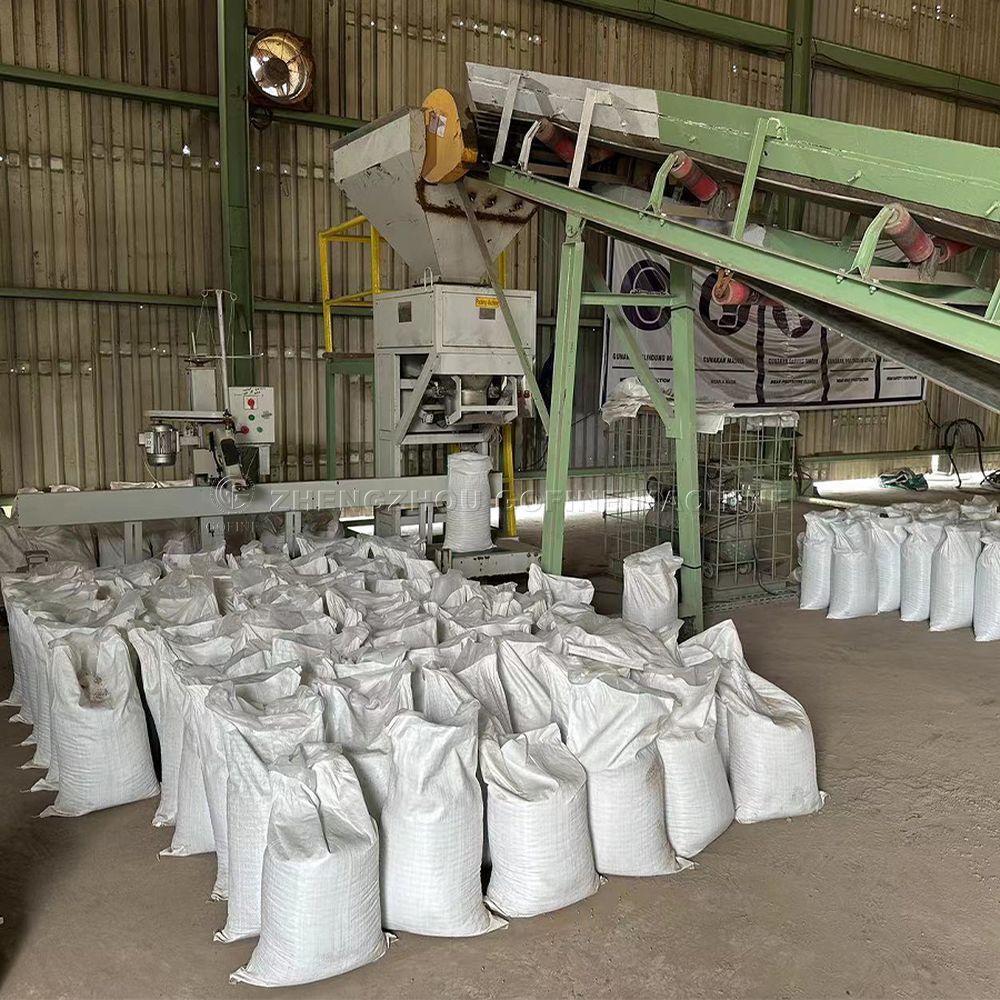
The packaging and storage equipment is responsible for the final processing of finished products, ensuring convenient storage, transportation, and use. For solid fertilizers, automatic packaging machines (such as valve bag packaging machines) are used for quantitative packaging, with common specifications of 5kg/bag, 25kg/bag, etc., and the packaging accuracy is high. For liquid fertilizers, automatic filling machines are used to fill the products into plastic bottles or barrels of different specifications (such as 5L, 10L, 200L), and supporting capping, labeling, and coding equipment can be added to complete the whole packaging process. In addition, the production line is equipped with finished product storage tanks (for liquid fertilizers) or storage silos (for solid fertilizers) to temporarily store finished products and ensure the continuity of production.
7. Automation Control System
Modern liquid/solid trace element fertilizer production lines are equipped with advanced automation control systems, which integrate PLC controllers, touch screens, and sensors to realize real-time monitoring and automatic control of the entire production process. Operators can set production parameters (such as batching ratio, reaction temperature, drying time) through the touch screen, and the system can automatically adjust the operation of each equipment according to the set parameters. At the same time, the system has an alarm function, which can promptly remind operators of equipment failures or parameter abnormalities, ensuring the safe and stable operation of the production line and reducing manual labor intensity.
Production Process of Liquid/Solid Trace Element Fertilizer
The liquid/solid trace element fertilizer production line adopts a modular design, and the production process can be flexibly switched according to the type of finished product (liquid or solid). The overall production process is scientific, standardized, and efficient, ensuring the quality and stability of products. The specific production processes for liquid and solid fertilizers are as follows:
1. Production Process of Solid Trace Element Fertilizer
Step 1: Raw Material Pretreatment – Crush solid trace element raw materials and auxiliary materials (such as fillers, anti-caking agents) into fine powder, sieve to remove impurities, and ensure uniform particle size.
Step 2: Precise Batching – According to the preset formula, use high-precision electronic scales to accurately weigh each raw material, and transport them to the mixer through the conveyor.
Step 3: Mixing – Put the proportioned raw materials into the mixer for full mixing, ensuring that trace elements and auxiliary materials are evenly distributed.
Step 4: Chelation Reaction (Optional) – If producing chelated solid trace element fertilizers, transfer the mixed raw materials to the reaction kettle, add chelating agents, and control the temperature and pH value for chelation reaction to form stable chelated compounds.
Step 5: Granulation – Put the mixed or reacted materials into the granulator, and add an appropriate amount of binder (such as water) to make granular products with uniform size.
Step 6: Drying – Transport the granules to the dryer, and dry them at a suitable temperature to remove excess moisture, ensuring the moisture content meets the standard.
Step 7: Cooling – Cool the dried granules to room temperature through the cooler to prevent caking and improve granule hardness.
Step 8: Screening – Sieve the cooled granules to separate qualified granules from unqualified ones, and return the unqualified granules to the granulator for reprocessing.
Step 9: Packaging and Storage – Use automatic packaging machines to quantitatively package the qualified granules, and store them in storage silos for subsequent distribution.
2. Production Process of Liquid Trace Element Fertilizer
Step 1: Raw Material Dissolution – Put liquid raw materials or crushed solid raw materials into the dissolver, add an appropriate amount of pure water or deionized water, and stir to fully dissolve the raw materials.
Step 2: Precise Batching – According to the formula, accurately add various trace element raw solutions and chelating agents to the mixing tank, and stir evenly.
Step 3: Chelation Reaction – Transfer the mixed solution to the chelation tank, control the reaction temperature, pH value, and stirring speed, and carry out chelation reaction to form stable chelated liquid.
Step 4: Filtration – Filter the chelated liquid through the filtration system to remove impurities and insoluble substances, ensuring the clarity of the liquid product.
Step 5: pH Adjustment – Use acid or alkali to adjust the pH value of the filtered liquid to the appropriate range (3-6) to ensure the stability of the product.
Step 6: Homogenization – Put the adjusted liquid into the homogenizer for homogenization treatment, making the molecular structure uniform and avoiding stratification.
Step 7: Inspection – Take samples of the homogenized liquid for quality inspection, including trace element content, pH value, and stability.
Step 8: Filling and Packaging – After passing the inspection, use automatic filling machines to fill the liquid into containers of different specifications, and complete capping, labeling, and coding.
Step 9: Storage – Store the packaged liquid fertilizer in a cool, dry storage room or storage tank to avoid direct sunlight and high temperature.
Advantages of Liquid/Solid Trace Element Fertilizer Production Line
Compared with single liquid or solid trace element fertilizer production lines, the liquid/solid integrated production line has obvious advantages in investment cost, production efficiency, product diversity, and adaptability, which is favored by the majority of fertilizer production enterprises. The main advantages are as follows:
1. High Flexibility and Strong Adaptability
The production line can freely switch between liquid and solid production modes according to market demand, without the need for additional equipment modification. It can produce a variety of trace element fertilizer products, including chelated liquid fertilizers, water-soluble solid fertilizers, granular trace element fertilizers, etc., to meet the diverse needs of different crops (such as fruits, vegetables, field crops) and different application scenarios (such as drip irrigation, foliar spraying, base application).
2. Cost-Saving and Efficient
Integrating liquid and solid production functions into one line avoids the need for separate investment in two sets of production equipment, greatly reducing initial investment costs. At the same time, the line adopts advanced automation technology, which reduces manual intervention, improves production efficiency, and reduces labor costs. The shared use of some equipment (such as batching system, control system) also reduces operational and maintenance costs, improving the overall economic benefits of the enterprise.
3. Stable Product Quality
The production line is equipped with high-precision batching equipment and advanced automation control system, which can accurately control the proportion of trace elements, reaction conditions, and processing parameters, ensuring that the content of each trace element in the finished product meets the standard and is evenly distributed. The chelation reaction equipment ensures the formation of stable chelated compounds, improving the absorption efficiency of crops and the quality of finished products. In addition, the multi-link quality inspection link (raw material inspection, intermediate product inspection, finished product inspection) further ensures product quality and stability.
4. Environmental Protection and Energy Conservation
The production line adopts environmentally friendly production technologies and equipment, with reasonable design of dust removal and wastewater treatment systems. For solid fertilizer production, the dust generated during crushing and granulation is collected and treated by dust removal equipment to avoid environmental pollution. For liquid fertilizer production, the wastewater generated during equipment cleaning is treated and reused, reducing water resource waste. At the same time, the equipment adopts energy-saving motors and heat recovery systems, reducing energy consumption and meeting the requirements of green production.
5. Easy Operation and Maintenance
The automation control system of the production line is simple and easy to operate, and operators can master the operation skills through simple training. The equipment is reasonably designed, with convenient disassembly and assembly, and key components are easy to inspect and maintain. The production line is equipped with a complete fault alarm and diagnosis system, which can promptly find and solve equipment failures, reducing downtime and ensuring the continuity of production.
Application Scenarios of the Production Line
The liquid/solid trace element fertilizer production line is widely used in the agricultural field, suitable for various scales of fertilizer production enterprises and related institutions, and can meet the production needs of different types of trace element fertilizers. The main application scenarios are as follows:
1. Large-Scale Fertilizer Production Enterprises
Large-scale fertilizer production enterprises have large production demand and diverse product types. The liquid/solid integrated production line can realize large-scale, automated production, improve production efficiency, reduce costs, and meet the market demand for a variety of trace element fertilizers. It can also carry out customized production according to the needs of different regions, crops, and soil conditions, enhancing the market competitiveness of enterprises.
2. Agricultural Cooperatives and Planting Bases
Agricultural cooperatives and large-scale planting bases have a large demand for trace element fertilizers, and the liquid/solid trace element fertilizer production line can produce fertilizers suitable for their own planting crops, ensuring the quality and safety of fertilizers and reducing the cost of purchasing fertilizers. At the same time, the production line is flexible and can adjust the product type and output according to the planting scale and crop growth needs.
3. Fertilizer Processing and Customization Enterprises
With the development of precision agriculture, the demand for customized trace element fertilizers is increasing. The liquid/solid trace element fertilizer production line can carry out customized production according to the specific needs of customers (such as specific trace element ratio, product form), providing personalized fertilizer solutions for customers and meeting the diverse needs of the market.
4. Agricultural Science and Technology Institutions
Agricultural science and technology institutions can use the production line to carry out research and development of new trace element fertilizer products, test the effect of different formulas and production processes, and provide technical support for the promotion and application of new fertilizers. The flexibility and adjustability of the production line are conducive to the research and development of new products and the optimization of production processes.
Key Considerations for Purchasing Liquid/Solid Trace Element Fertilizer Production Line
When purchasing a liquid/solid trace element fertilizer production line, users need to comprehensively consider various factors to ensure that the purchased production line is suitable for their own production needs, with high cost performance and stable operation. The key considerations are as follows:
1. Production Capacity
According to their own production demand (daily output, annual output), users should choose a production line with appropriate production capacity. The production capacity of the production line is usually divided into small-scale (0.5-1 ton/hour), medium-scale (1-5 tons/hour), and large-scale (5 tons/hour or more). It is not advisable to choose a production line with excessive capacity (resulting in waste of equipment and energy) or insufficient capacity (unable to meet production demand).
2. Product Type and Quality Requirements
Users should clarify the type of trace element fertilizer they need to produce (liquid, solid, or both) and the quality standards of the finished product (such as trace element content, particle size, solubility, pH value). Different production lines have different configurations and technical levels, and it is necessary to choose a production line that can meet the corresponding product quality requirements. For example, if producing high-end chelated trace element fertilizers, it is necessary to choose a production line with advanced chelation reaction equipment and high-precision control system.
3. Equipment Quality and Durability
The quality and durability of equipment directly affect the service life and operation stability of the production line. When purchasing, users should pay attention to the material of key equipment (such as reaction kettles, mixers, which are preferably 304 or 316L stainless steel to resist corrosion), the brand and quality of components (such as motors, sensors, control systems), and the manufacturing process of the equipment. It is recommended to choose equipment with reliable quality and mature technology to reduce the frequency of failures and maintenance costs.
4. Automation Level
The automation level of the production line affects production efficiency, labor intensity, and product quality stability. Users can choose the appropriate automation level according to their own economic strength and production needs. High-automation production lines can realize full-process automatic control, reduce manual intervention, and improve production efficiency, but the investment cost is relatively high. Medium and low-automation production lines are suitable for small-scale enterprises with limited investment, and can also meet basic production needs.
5. Environmental Protection and Energy Conservation Performance
With the increasing requirements of environmental protection policies, users should choose a production line with good environmental protection and energy conservation performance. The production line should be equipped with complete dust removal, wastewater treatment, and noise reduction equipment to meet the local environmental protection standards. At the same time, the equipment should adopt energy-saving technologies to reduce energy consumption and operating costs.
6. After-Sales Service
The after-sales service of the production line is crucial for the long-term stable operation of the equipment. When purchasing, users should understand the after-sales service content provided by the equipment supplier, such as equipment installation, commissioning, operator training, spare parts supply, and fault maintenance. A complete after-sales service system can promptly solve the problems encountered in the operation process, reducing downtime and ensuring production continuity.
The liquid/solid trace element fertilizer production line for sale is a high-efficiency, flexible, and cost-effective production equipment that integrates liquid and solid trace element fertilizer production functions. It adopts advanced technology and equipment, has a scientific production process, and can produce high-quality trace element fertilizers that meet the needs of modern agriculture. With the continuous development of precision agriculture and green agriculture, the demand for trace element fertilizers will continue to grow, and the liquid/solid trace element fertilizer production line will have a broader market prospect.
When purchasing a production line, users should comprehensively consider factors such as production capacity, product quality requirements, equipment quality, automation level, environmental protection performance, and after-sales service, and choose a production line that is suitable for their own needs. A high-quality liquid/solid trace element fertilizer production line can not only improve production efficiency and product quality but also help enterprises reduce costs, enhance market competitiveness, and achieve sustainable development in the field of agricultural fertilizer production.
Related Content
Latest News
- Heavy-Duty 2.5m Disc Granulator for Mineral Fertilizer
- Towed Compost Turner: Heavy-Duty Solution for High-Volume Organic Fertilizer Production
- Stainless Steel Cow Bedding Recovery System: Convert Dairy Manure into Premium Bedding
- Turn Limestone Powder into Premium Mineral Fertilizer: Complete Granulation Production Lines
- How to Make Organo-Mineral Fertilizer from Poultry Manure & Rock Phosphate
- Bedding Recovery System for Dairy Farms | Manure Recycling
- Calcium & Magnesium Chloride Granulation Production Line (Double Roller Extrusion System)
- Heavy-Duty Organic Fertilizer Compost Turner Machine for Commercial Composting