


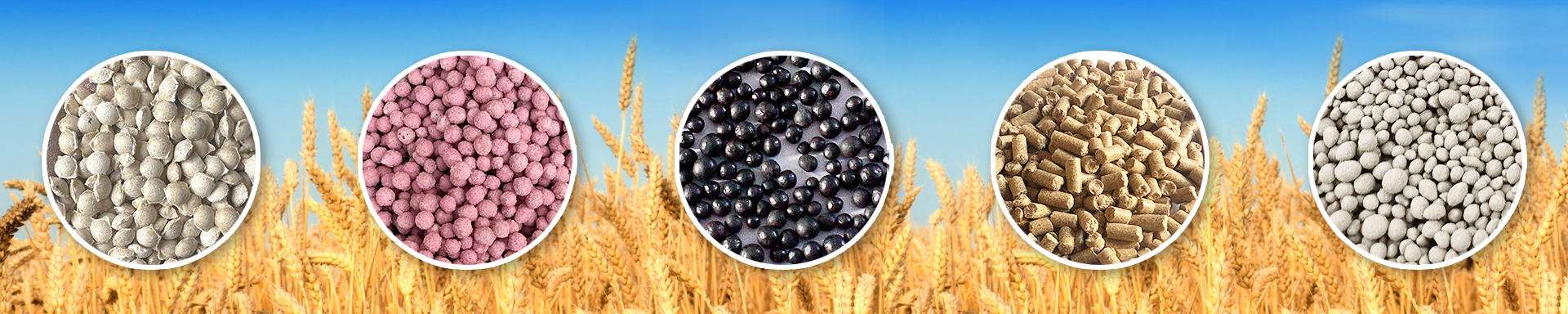
High Purity Trace Element Fertilizer Production Line - Boost Crop Yield
Published on: 2026-04-27In modern agriculture, the pursuit of high crop yield and quality has long been the core goal of farmers and agricultural enterprises worldwide. While macronutrients such as nitrogen, phosphorus, and potassium are essential for crop growth, trace elements—including zinc, boron, manganese, copper, iron, and molybdenum—play an irreplaceable role in regulating crop metabolism, promoting nutrient absorption, and enhancing stress resistance. However, the effectiveness of trace element fertilizers largely depends on their purity and nutrient accuracy; impure products not only fail to boost yield but may also cause soil pollution and crop physiological disorders. The high purity trace element fertilizer production line, as a professional solution integrating precision processing, intelligent control, and quality monitoring, has become a key driving force for upgrading modern agriculture and improving crop yield and quality. This article will elaborate on the core value, production process, equipment configuration, technical advantages, and practical application of this production line, revealing how it empowers agricultural production efficiently.
1. The Urgent Need for High Purity Trace Element Fertilizers in Modern Agriculture
With the continuous development of intensive agriculture and the popularization of high-yield crop varieties, the demand for trace elements in soil is increasing day by day. For a long time, the misunderstanding of "emphasizing macronutrients while neglecting trace elements" in agricultural production has led to the gradual depletion of trace elements in soil, becoming a "short board" restricting crop yield and quality improvement. According to market research data, the global trace element fertilizers market was valued at USD 933.5 million in 2024 and is expected to grow to USD 1673.38 million by 2033, with a compound annual growth rate (CAGR) of 6.7% during the forecast period (2026-2033). This growth is closely linked to the increasing awareness of the importance of trace elements and the demand for high-purity products.
Common low-purity trace element fertilizers have many drawbacks: impure raw materials contain harmful impurities such as heavy metals, which accumulate in the soil for a long time and pollute the ecological environment; uneven nutrient distribution leads to inconsistent crop absorption, resulting in patchy growth and difficulty in achieving uniform high yield; poor solubility causes blockage of drip irrigation and sprinkler irrigation systems, increasing agricultural production costs and reducing fertilization efficiency. In contrast, high purity trace element fertilizers (purity ≥99.5%) have obvious advantages: they can provide precise and stable nutrient supply, avoid the harm of impurities, improve nutrient utilization rate by 30%-50% compared with ordinary products, and effectively solve the problems of crop chlorosis, poor root growth, weak flowering, and low fruit set caused by trace element deficiency. Therefore, the large-scale production of high-purity trace element fertilizers relying on professional production lines has become an inevitable trend in the transformation and upgrading of the agricultural fertilizer industry.
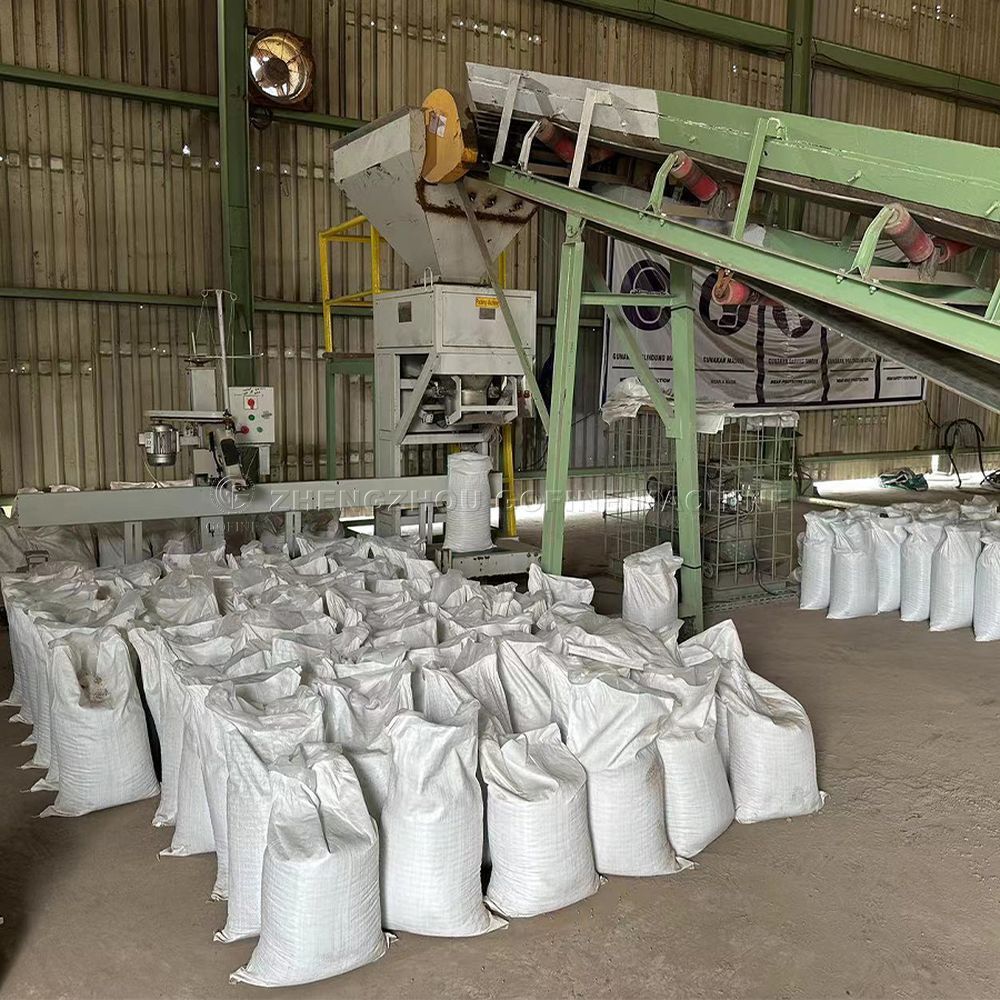
2. Core Advantages of High Purity Trace Element Fertilizer Production Line
The high purity trace element fertilizer production line is different from the traditional ordinary trace element production equipment. It integrates advanced processing technology, intelligent control system, and strict quality inspection process, and its core advantages are mainly reflected in the following aspects, which lay a solid foundation for improving crop yield and quality.
2.1 Ultra-High Purity Control, Ensuring Product Quality
The production line adopts a multi-stage purification process to strictly control the purity of raw materials and finished products. The raw materials undergo strict inspection and purification treatment first, removing impurities and harmful substances such as heavy metals to ensure that the purity of single trace element raw materials reaches more than 99.8%. In the production process, through precise proportioning and efficient mixing, the nutrient deviation of the finished product is controlled within ±0.5% of the nominal value, and the water solubility reaches ≥99.5% (20℃ distilled water), ensuring that the product is fully water-soluble without precipitation, and avoiding clogging of the irrigation system. At the same time, the heavy metal content of the finished product complies with NY 1107-2010 and other international and domestic standards, ensuring the safety of crop absorption and soil environment.
2.2 Intelligent Control, Improving Production Efficiency
The entire production line is equipped with a central programmable logic controller (PLC) system, which realizes intelligent control of the whole process from raw material feeding, precise dosing, mixing, grinding to finished product packaging. The automatic weighing system with an accuracy of 0.1% ensures the precise proportioning of each trace element, avoiding the error caused by manual operation; the 3D motion mixing technology makes the mixing uniformity reach more than 98%, and the mixing time is controlled at 20-30 minutes per batch, which is 50% more efficient than traditional mixing equipment. In addition, the production line adopts a modular design, which can flexibly adjust the production capacity according to demand, with a daily output of 5-50 tons, and can quickly switch between different formulations to meet the production needs of different crop-specific trace element fertilizers.
2.3 Environmental Protection and Energy Conservation, Conforming to Sustainable Development
In response to the global call for green agriculture, the production line integrates a series of environmental protection and energy-saving designs. For solid fertilizer production, a professional dust control system is equipped to collect and treat the dust generated during the crushing and mixing process, avoiding air pollution and protecting the health of operators. For liquid fertilizer production, the key equipment such as dissolving kettles and mixing reaction tanks are made of 316L stainless steel, which has strong corrosion resistance, avoids equipment damage caused by trace element salts and acidic environments, and extends the service life of the equipment while ensuring product purity. In addition, the production line adopts energy-saving motors and closed-loop circulation systems, which reduces energy consumption by 20%-30% compared with traditional production lines, and the waste water generated during the production process is treated and recycled, realizing the efficient utilization of resources and conforming to the concept of sustainable agricultural development.
2.4 Flexible Production, Adapting to Diverse Demands
The production line can produce both solid (powder/granule) and liquid high-purity trace element fertilizers, adapting to different fertilization scenarios such as drip irrigation, sprinkler irrigation, foliar spray, and base application. For solid fertilizers, the ultra-micro grinding technology ensures that 98% of the product passes through 80-mesh sieve, and the dissolution speed is ≤30 seconds, which is suitable for modern agricultural facilities such as drip irrigation and sprinkler irrigation. For liquid fertilizers, the precision filtration system with a pore size of ≤5μm effectively removes suspended particles, ensuring that the product is clear and transparent, and the homogenizer avoids product stratification or precipitation during storage and use. At the same time, the production line can customize formulations according to the trace element demand of different crops (such as citrus, grapes, tomatoes, wheat, etc.), producing crop-specific high-purity trace element fertilizers to achieve targeted nutrient supply.
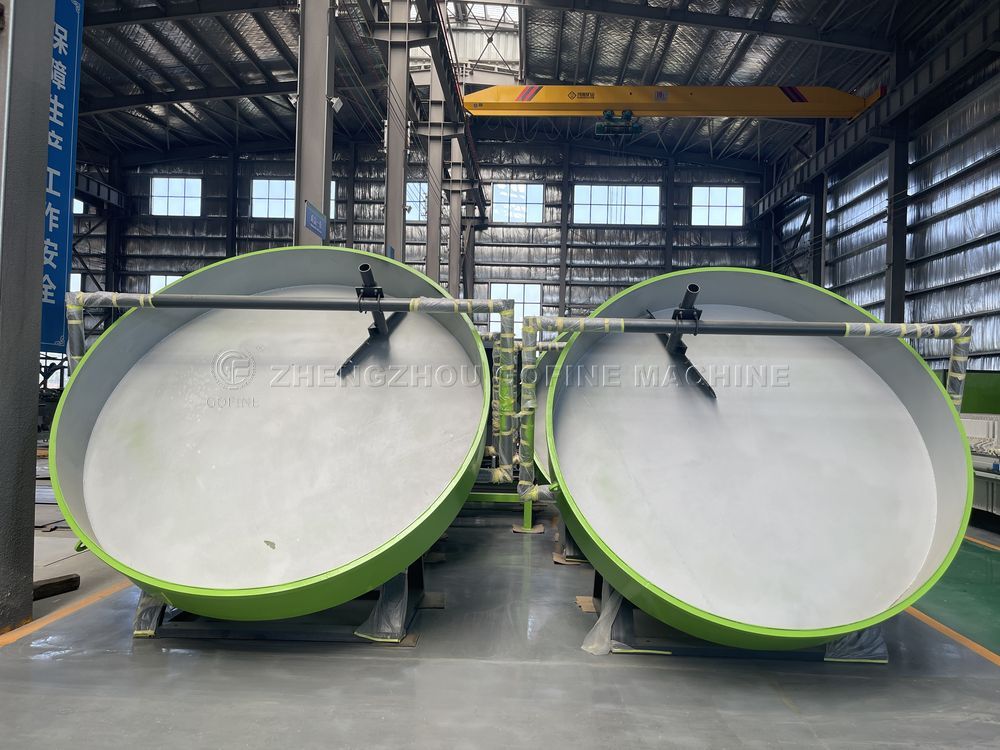
3. Detailed Production Process of High Purity Trace Element Fertilizer Production Line
The production of high-purity trace element fertilizers is a complex system engineering that requires strict control of each link to ensure product purity and nutrient accuracy. The entire production process is divided into two major categories: solid and liquid high-purity trace element fertilizer production processes, which are detailed as follows:
3.1 Production Process of Solid High Purity Trace Element Fertilizer (Powder/Granule)
The solid production process mainly includes 6 core links, from raw material pretreatment to finished product packaging, forming a closed-loop production system to ensure product quality.
3.1.1 Raw Material Inspection and Pretreatment
This is the first pass to ensure product purity. The purchased trace element raw materials (such as zinc sulfate, boric acid, manganese sulfate, copper sulfate, etc.) are first sent to the laboratory for detection, including purity, heavy metal content, moisture content, and other indicators, and only the raw materials that meet the standard are put into production. For raw materials with agglomeration or excessive particle size, special crushers are used for individual crushing according to their characteristics to ensure that the particle size is uniform, laying a foundation for subsequent precise dosing and mixing. At the same time, the raw materials are dried to control the moisture content ≤2.0%, avoiding the impact of moisture on product quality and storage stability.
3.1.2 Precise Dosing and Pre-Mixing
According to the preset formula (different formulas are designed according to crop types and soil conditions), the automatic multi-bin dosing system (8-12 bins) is used to weigh each trace element raw material precisely, with a weighing accuracy of 0.1%. For trace elements with a small addition amount, a micro-dosing device is used to ensure the accuracy of the proportioning, avoiding the problem of uneven nutrient distribution caused by insufficient addition or excessive addition. After weighing, the raw materials are pre-mixed to realize preliminary mixing, which improves the efficiency of subsequent efficient mixing.
3.1.3 Efficient Mixing and Uniformity Detection
The pre-mixed raw materials are put into a 3D motion mixer (capacity 1000-3000L) for full mixing. The mixing time is controlled at 20-30 minutes per batch according to the material characteristics, ensuring that the mixing uniformity reaches more than 98%. During the mixing process, online uniformity detection equipment is used to monitor the mixing effect in real time. If the uniformity does not meet the standard, the mixing time is extended or the mixing speed is adjusted to ensure that the nutrient content of each part of the mixture is consistent.
3.1.4 Ultra-Micro Grinding and Moisture-Proof Treatment
The mixed materials are sent to an air flow pulverizer for ultra-micro grinding to ensure that the fineness of the product reaches the standard—≥95% through 80-mesh sieve, and 98% through 80-mesh sieve for high-end products. Ultra-micro grinding not only improves the solubility of the product but also promotes the absorption of trace elements by crop roots. After grinding, moisture-proof treatment is carried out to avoid moisture absorption and agglomeration of the product during storage and transportation, ensuring the stability of product quality.
3.1.5 Optional Granulation (for Granular Products)
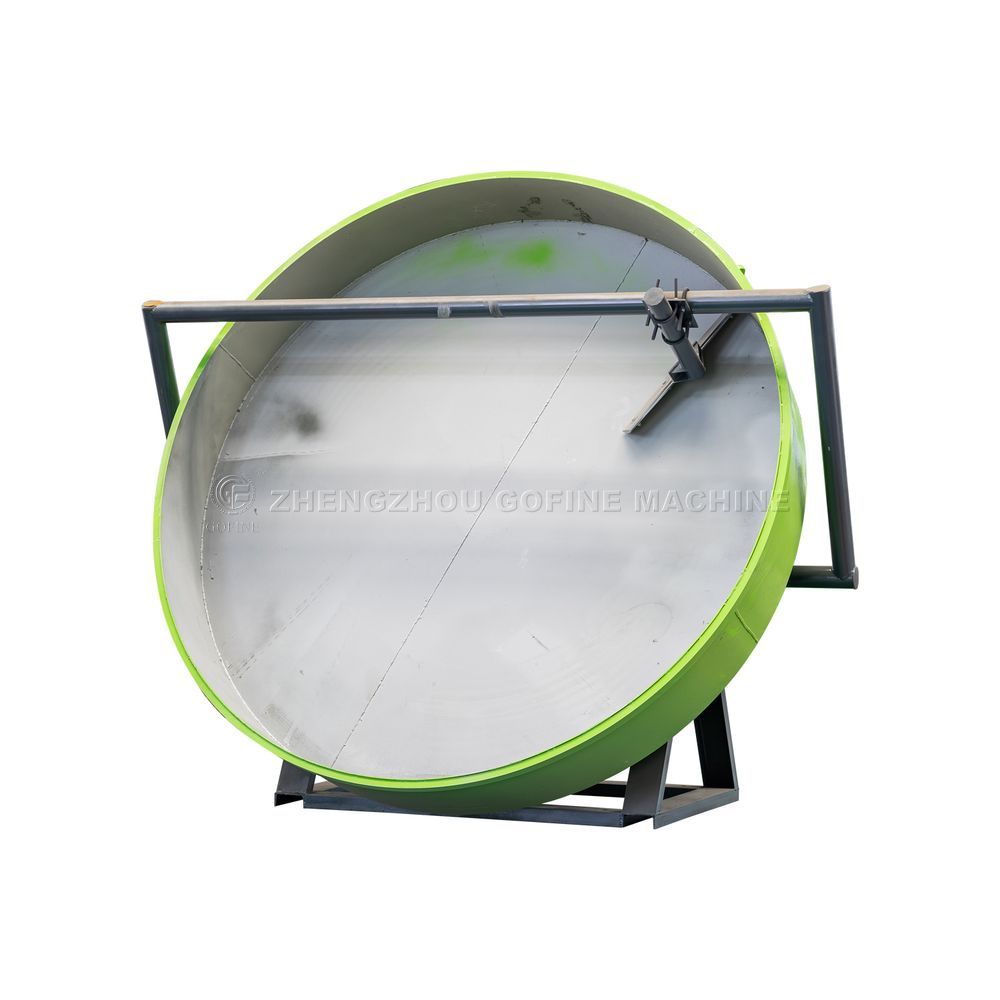
For granular high-purity trace element fertilizers, a granulation link is added after ultra-micro grinding. Common granulation methods include rotary granulation and extrusion granulation: rotary granulation sprays an appropriate amount of binder (such as water) into the mixer to make the fine powder agglomerate into granules; extrusion granulation forces the mixed powder through an extruder and then breaks it into granules of uniform size. After granulation, the granules are sent to a dryer (such as a boiling dryer, drum dryer) for drying to control the moisture content ≤2.0%, then cooled to room temperature by a cooling drum to prevent dew formation after packaging, and finally sieved by a vibrating sieve to separate qualified granules from powder or excessively large granules (the powder is returned to the granulation link for reprocessing).
3.1.6 Finished Product Inspection, Packaging and Storage
The processed solid products are sampled and tested again, including purity, nutrient content, fineness, water solubility, heavy metal content, pH value (1% aqueous solution is 5.0-7.0), etc. Only the products that meet all the standards are allowed to be packaged. The packaging adopts moisture-proof aluminum foil bags or laminated bags, and automatic packaging machines are used for quantitative packaging (common specifications: 1kg, 5kg, 25kg), and nitrogen preservation can be selected according to demand to extend the shelf life of the product. The packaged finished products are stored in a dry, ventilated, and moisture-proof warehouse to avoid quality deterioration caused by moisture absorption, mildew, or contamination.
3.2 Production Process of Liquid High Purity Trace Element Fertilizer
The liquid high-purity trace element fertilizer production process is mainly suitable for foliar spray and drip irrigation scenarios, with the characteristics of fast absorption and high utilization rate. The process includes 7 core links:
3.2.1 Raw Material Dissolution
In a 316L stainless steel dissolving kettle with heating and stirring functions, trace element raw materials (such as chelated zinc, chelated iron, boric acid, etc.) are added to deionized water or pure water in sequence, and the raw materials with low solubility are added first. The temperature is appropriately raised and stirred continuously to accelerate the dissolution of the raw materials, ensuring that the raw materials are fully dissolved without precipitation, laying a foundation for the uniformity of the finished product.
3.2.2 Optional Chelation Reaction
If inorganic trace element raw materials are used, a chelation reaction link is added: chelating agents (such as EDTA disodium, EDDHA, IDHA, etc.) are added to the dissolving kettle, and the reaction is carried out under specific temperature and pH conditions to generate chelated trace elements, which can improve the stability of trace elements in the solution, avoid hydrolysis and precipitation during storage, and enhance the absorption efficiency of crops. If chelated raw materials are directly used, this link can be skipped.
3.2.3 Mixing and Homogenization
The dissolved trace element solution is pumped into a 316L stainless steel mixing reaction tank, and other functional additives (such as wetting agents, dispersants) are added as needed, and fully stirred and mixed to ensure that each trace element is uniformly distributed in the solution. Then, the solution is sent to a homogenizer to homogenize the molecular structure of the liquid, avoiding product stratification or precipitation during storage and use, and ensuring the stability of the product.
3.2.4 Precision Filtration
The mixed solution is filtered through a precision filter (pore size ≤5μm) or a bag filter to remove suspended particles, impurities, and undissolved substances in the solution, ensuring that the liquid product is clear and transparent, and avoiding clogging of the drip irrigation system and foliar spray nozzle during use.
3.2.5 pH Adjustment and Precipitation Aging
Use acids (such as phosphoric acid, nitric acid) or alkalis (such as potassium hydroxide) to adjust the pH value of the filtered solution to the stable range (usually 3.0-6.0) to prevent trace elements from hydrolyzing and precipitating during storage. After pH adjustment, the solution is placed in a precipitation tank for 24-48 hours of aging to make the extremely fine precipitates settle, and then the clear liquid is taken for subsequent processing.
3.2.6 Finished Product Inspection
The aged clear liquid is sampled and tested, including trace element concentration, pH value, clarity, stability, heavy metal content, etc. Only the products that meet the standard are allowed to enter the filling link.
3.2.7 Automatic Filling and Packaging
The qualified liquid product is filled into plastic barrels or bottles of different specifications (5L, 10L, 20L, 200L) by an automatic filling machine with a filling speed of 500-1000 bottles/hour, and the filling accuracy is controlled within ±1%. After filling, the barrels or bottles are sealed, labeled, and then stored in a cool, dry, and non-direct sunlight warehouse to avoid product deterioration caused by high temperature or light irradiation.
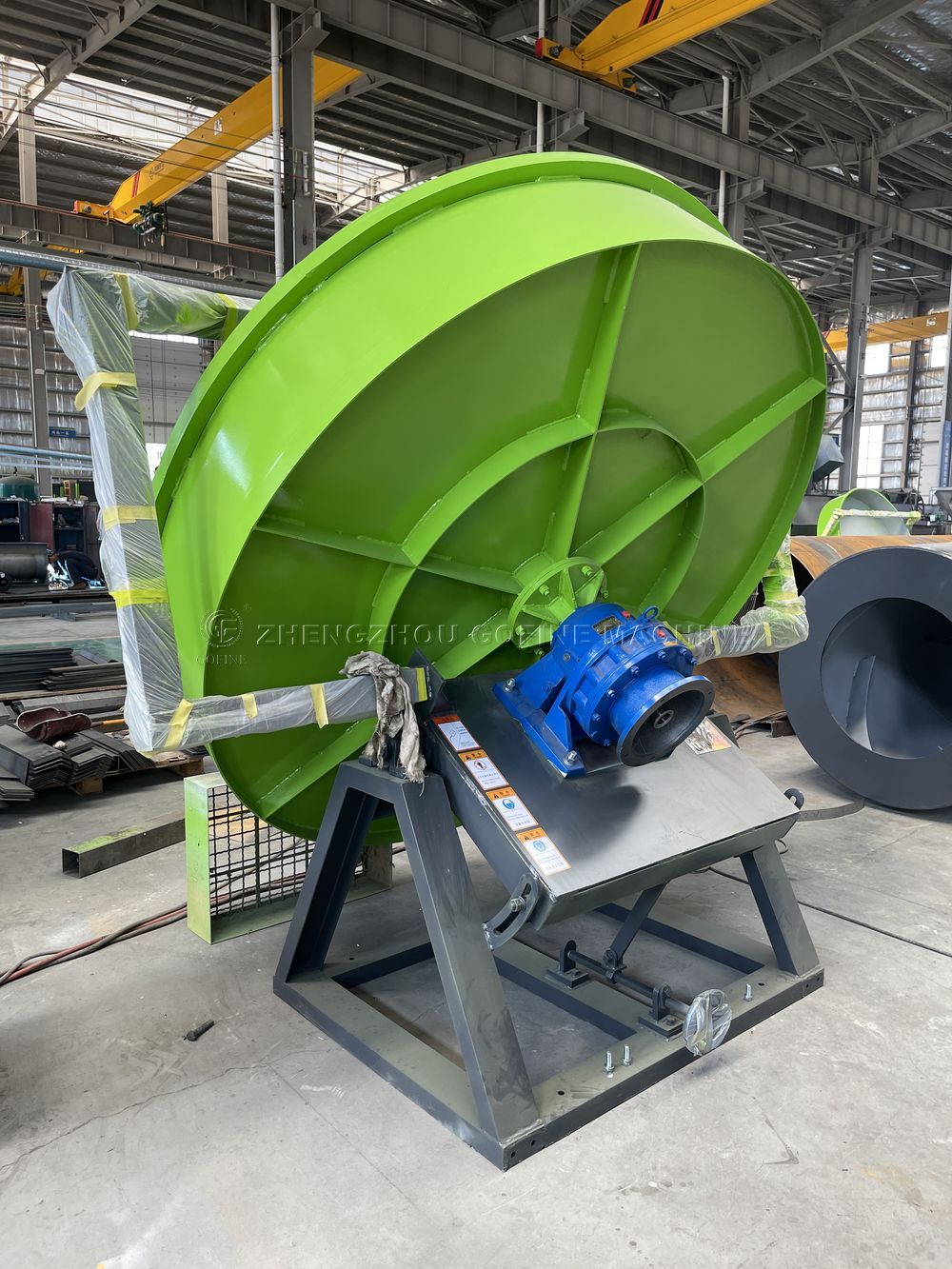
4. Core Equipment Configuration of the Production Line
The stable operation and product quality of the high-purity trace element fertilizer production line are inseparable from the support of high-quality core equipment. According to the production type (solid/liquid) and production capacity, the equipment configuration is reasonably matched, and the core equipment is mainly divided into the following categories:
4.1 Raw Material Handling Equipment
Including vibrating sieves (used to remove impurities in raw materials), special crushers (for crushing agglomerated or large-particle raw materials, matching different raw material characteristics), bucket elevators (for transporting raw materials between different processes), and drying equipment (for drying raw materials to control moisture content). The key equipment is the special crusher, which adopts wear-resistant materials to avoid impurity pollution caused by equipment wear, ensuring the purity of raw materials.
4.2 Dosing and Mixing Equipment
For solid production lines: multi-bin automatic dosing system (8-12 bins, supporting precise weighing of multiple trace elements), 3D motion mixer (ensuring uniform mixing), and online uniformity detection equipment (real-time monitoring of mixing effect). For liquid production lines: 316L stainless steel dissolving kettle (with heating and stirring functions), mixing reaction tank, additive mixing tank, and homogenizer (ensuring uniform solution and stable performance). The automatic dosing system is equipped with a high-precision electronic scale, and the weighing data is connected to the PLC system to realize automatic control and avoid manual errors.
4.3 Grinding and Filtration Equipment
For solid production lines: air flow pulverizer (realizing ultra-micro grinding, output 0.5-2 tons/hour), which ensures the fineness of the product and improves solubility. For liquid production lines: precision filter (pore size ≤5μm) and bag filter, which are used to remove impurities and suspended particles in the solution, ensuring the clarity of the liquid product. The key parts of the equipment are made of corrosion-resistant materials to adapt to the corrosive environment of trace element solutions and raw materials.
4.4 Granulation and Drying Equipment (for Solid Granular Products)
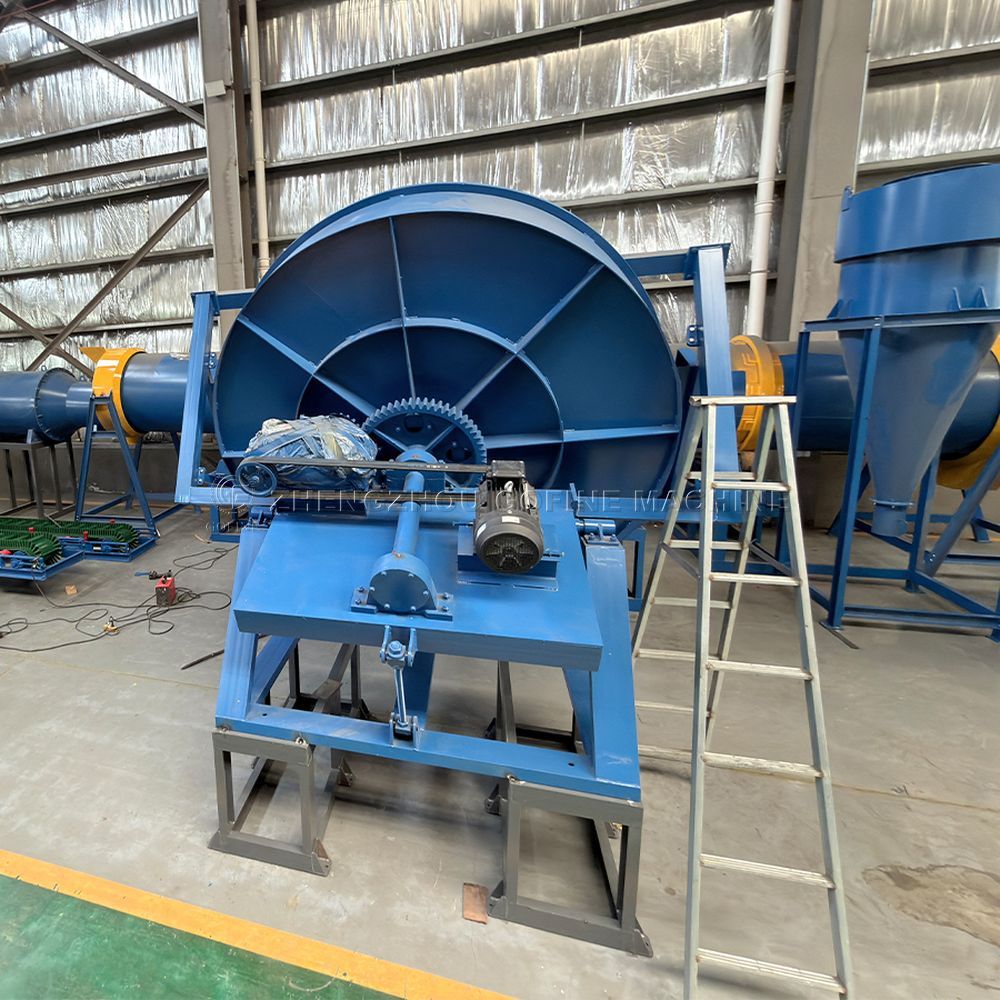
Including rotary granulator/extrusion granulator (realizing granulation of powder materials), boiling dryer/drum dryer (drying granulated products to control moisture content), cooling drum (cooling dried granules to room temperature), and vibrating sieve (screening qualified granules). The drying equipment adopts energy-saving design, which reduces energy consumption while ensuring drying effect.
4.5 Packaging and Storage Equipment
For solid products: automatic packaging machines (supporting quantitative packaging of 1-25kg), moisture-proof packaging materials, and nitrogen preservation equipment (optional). For liquid products: automatic filling machines (supporting filling of 500ml-20L specifications), sealing machines, and labeling machines. In addition, the warehouse is equipped with moisture-proof, anti-corrosion, and ventilation equipment to ensure the storage stability of finished products.
4.6 Intelligent Control and Quality Inspection Equipment
The core is the PLC intelligent control system, which integrates the control of feeding, dosing, mixing, grinding, granulation, filling, and other links, realizing automatic operation and real-time monitoring, and reducing manual operation intensity. The quality inspection equipment includes laboratory detection instruments (for detecting raw material and finished product purity, heavy metal content, nutrient content, etc.), online uniformity detection equipment, and pH detectors, which form a full-process quality monitoring system to ensure that each batch of products meets the standard.
5. Practical Application Effects: How the Production Line Boosts Crop Yield
The high-purity trace element fertilizer produced by the production line has been widely used in various crops such as field crops, vegetables, fruits, and greenhouse crops, and has achieved remarkable yield-increasing effects. The specific application effects are reflected in the following aspects, which fully verify the value of the production line:
5.1 Promoting Crop Growth and Improving Biological Characteristics
High-purity trace elements can effectively activate plant enzymes, promote chlorophyll formation, and enhance photosynthesis efficiency. For example, zinc is involved in auxin synthesis, which can promote crop root growth and increase root absorption area; iron and magnesium directly affect chlorophyll synthesis, which can solve the problem of crop chlorosis and improve leaf greenness; boron promotes pollen tube elongation, improves fruit set rate, and reduces deformed fruits. A field test shows that after applying high-purity zinc-boron-manganese composite trace element fertilizer produced by the production line to wheat, the wheat plant height increased by 8%-12%, the number of tillers increased by 10%-15%, and the root system fresh weight increased by 15%-20% compared with the control group (applying ordinary trace element fertilizer).
5.2 Enhancing Crop Stress Resistance and Reducing Yield Loss
High-purity trace elements can improve the comprehensive stress resistance of crops, including disease resistance, cold resistance, high temperature resistance, and drought resistance. For example, copper can enhance the disease resistance of crops and reduce the occurrence of fungal diseases; silicon (a beneficial trace element) can thicken the crop cell wall and reduce pathogen infection; boron can promote the normal transport of sugar in crops and enhance stress resistance; calcium can combine with pectin to enhance cell wall stability and reduce stress damage. In the citrus planting area, applying high-purity chelated iron-zinc fertilizer produced by the production line can effectively solve the problem of citrus yellowing caused by iron deficiency, reduce the incidence of citrus canker by 20%-30%, and avoid yield loss caused by diseases and insect pests.
5.3 Improving Crop Quality and Increasing Economic Benefits
High-purity trace elements can not only increase crop yield but also significantly improve product quality. For example, applying high-purity boron fertilizer to grapes can increase the sugar content by 1-2 degrees, improve the fruit uniformity, and reduce the number of cracked fruits and deformed fruits; applying high-purity zinc fertilizer to tomatoes can improve the vitamin C content and soluble solid content of fruits, and extend the storage period; applying high-purity manganese fertilizer to rice can improve the rice grain plumpness and reduce the empty grain rate. According to the statistics of agricultural demonstration bases, after using high-purity trace element fertilizers produced by the production line, the yield of fruits and vegetables increased by 15%-30%, the product quality grade was improved by 1-2 levels, and the economic benefit per mu increased by 200-500 yuan, which brought significant economic benefits to farmers and agricultural enterprises.
5.4 Adapting to Various Agricultural Scenarios and Realizing Precision Fertilization
The production line can produce different types of high-purity trace element fertilizers to adapt to different agricultural scenarios. For example, the powder and granular products are suitable for base application and drip irrigation in field crops and fruit trees; the liquid products are suitable for foliar spray and soilless cultivation in greenhouse vegetables and flowers; the crop-specific formulations (such as citrus-specific, grape-specific) can realize targeted nutrient supply, avoid nutrient waste, and improve fertilization efficiency. In addition, combined with AI technology and soil sensors, the production line can cooperate with precision fertilization systems, realize the按需 supply of trace elements according to soil conditions and crop growth status, further improve nutrient utilization rate, and promote the development of smart agriculture.
6. Market Prospect and Development Trend of High Purity Trace Element Fertilizer Production Line
With the continuous promotion of green agriculture, organic agriculture, and smart agriculture, the demand for high-purity trace element fertilizers is increasing day by day, and the market prospect of the production line is broad. The global trace element fertilizers market is growing steadily, and the demand for high-purity, functional, and crop-specific products is becoming more and more obvious, which provides a broad market space for the high-purity trace element fertilizer production line.
In terms of development trends, the production line will develop in the direction of intelligence, greenization, and customization in the future: 1) Intelligence upgrade: integrate more advanced intelligent control technologies, such as Internet of Things (IoT) and big data, to realize real-time monitoring of production parameters, remote operation, and fault early warning, further improving production efficiency and product quality stability; 2) Greenization and low-carbonization: optimize the production process, further reduce energy consumption and waste emissions, develop circular economy models (such as recycling used dry batteries as raw materials for trace element fertilizers), and realize the sustainable development of the industry; 3) Customization and refinement: according to the characteristics of different crops, different soil types, and different planting modes, develop more precise and targeted production lines and product formulations, and provide one-stop solutions from raw material processing to finished product application, meeting the personalized needs of agricultural production; 4) Integration of new technologies: combine nano-technology (such as nano-trace element fertilizers) and chelation technology to develop more efficient and easily absorbed high-purity trace element fertilizers, further improving the yield-increasing effect and expanding the application scope of the products.
7. Conclusion
The high purity trace element fertilizer production line is an important technical equipment to promote the upgrading of the agricultural fertilizer industry and realize high crop yield and quality. It ensures the purity and nutrient accuracy of trace element fertilizers through advanced production technology, intelligent control system, and strict quality monitoring, solves the drawbacks of traditional trace element fertilizers, and provides a reliable guarantee for modern agricultural production. From raw material pretreatment to finished product packaging, each link of the production line reflects the concept of precision, efficiency, and environmental protection, which not only improves production efficiency and reduces production costs but also brings significant economic benefits and ecological benefits to farmers and agricultural enterprises.
With the continuous development of agricultural technology, the high-purity trace element fertilizer production line will continue to innovate and upgrade, integrate more new technologies and new concepts, adapt to the changing needs of modern agriculture, and make greater contributions to the sustainable development of global agriculture, food security, and ecological protection. For agricultural enterprises and investors, investing in high-purity trace element fertilizer production lines is not only in line with the development trend of the times but also can seize the market opportunity and achieve long-term and stable development.
Related Content
Latest News
- Towed Compost Turner: Heavy-Duty Solution for High-Volume Organic Fertilizer Production
- Stainless Steel Cow Bedding Recovery System: Convert Dairy Manure into Premium Bedding
- Turn Limestone Powder into Premium Mineral Fertilizer: Complete Granulation Production Lines
- How to Make Organo-Mineral Fertilizer from Poultry Manure & Rock Phosphate
- Bedding Recovery System for Dairy Farms | Manure Recycling
- Calcium & Magnesium Chloride Granulation Production Line (Double Roller Extrusion System)
- Heavy-Duty Organic Fertilizer Compost Turner Machine for Commercial Composting
- Disc Granulator Sizes & Material Guide (1m to 6m Models)