


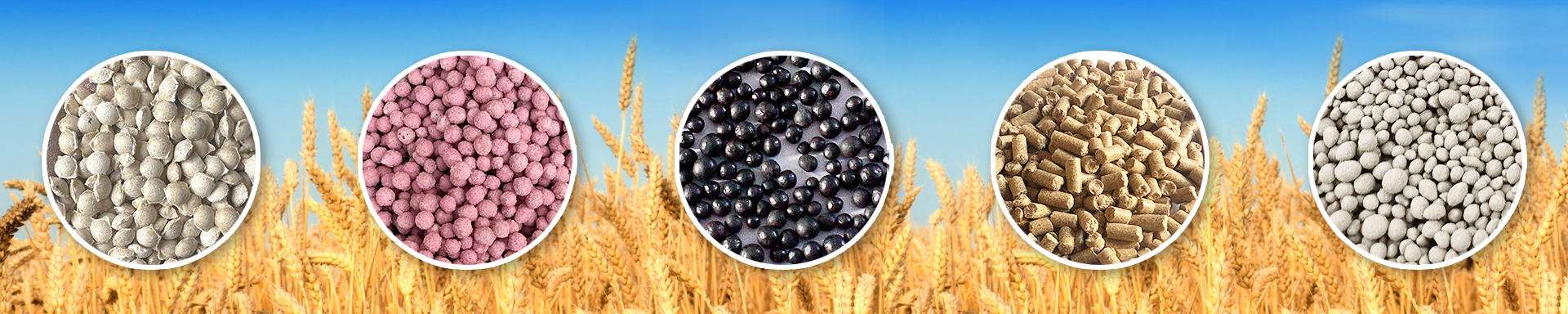
High Capacity Disc Fertilizer Granulator - Organic & Inorganic Fertilizer Applicable
Published on: 2026-05-07In the large-scale production of organic and inorganic fertilizers, granulation is a crucial link that directly affects the product quality, storage stability, and application effect of fertilizers. High capacity disc fertilizer granulators, as a classic and efficient granulation equipment, have been widely used in the fertilizer production industry due to their advantages of large output, uniform granulation, strong adaptability, and simple operation. Unlike small-scale disc granulators, high capacity models are designed for industrial-grade mass production, capable of handling both organic and inorganic raw materials, and converting powdery, lumpy, or semi-wet materials into spherical granules with high strength and good fluidity. This article provides a detailed introduction to high capacity disc fertilizer granulators, including their overview, working principle, core structure, functional characteristics, application scope, operation guidelines, and maintenance points, helping users fully understand the equipment’s performance and application value in organic and inorganic fertilizer production.
Overview of High Capacity Disc Fertilizer Granulator
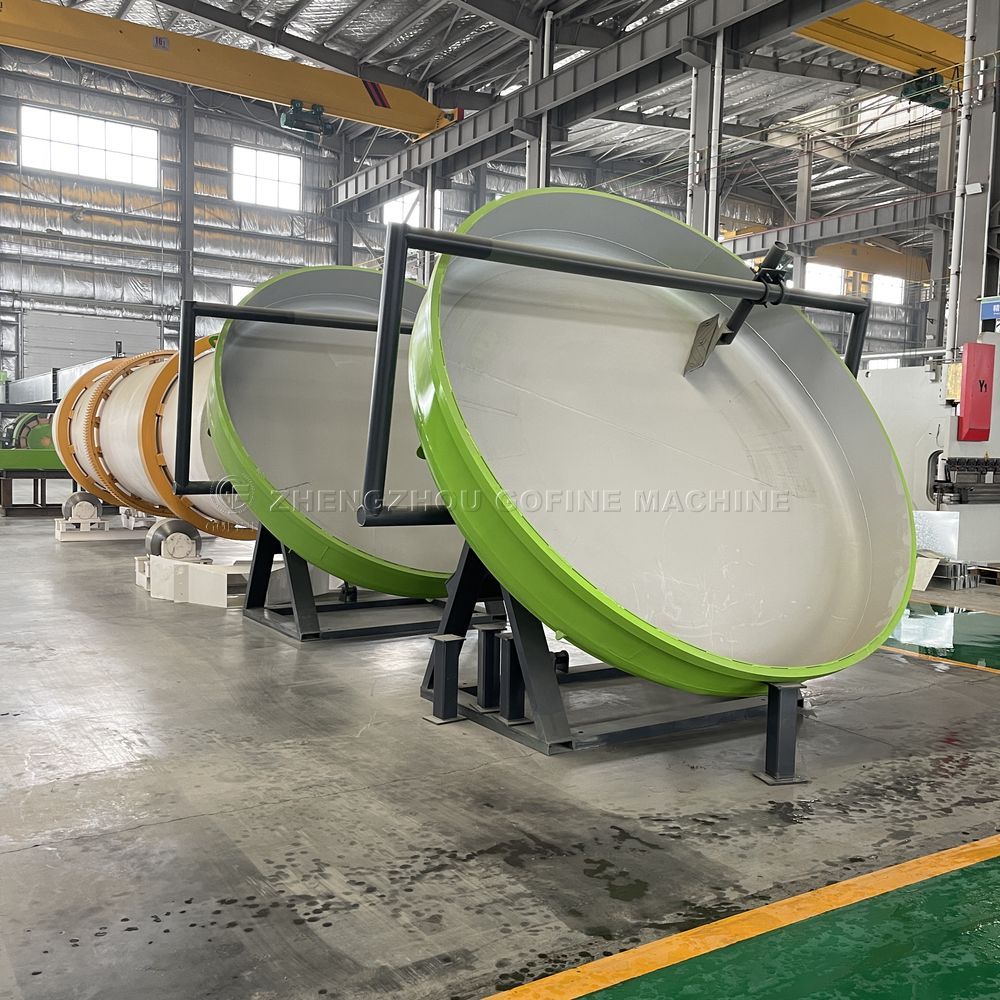
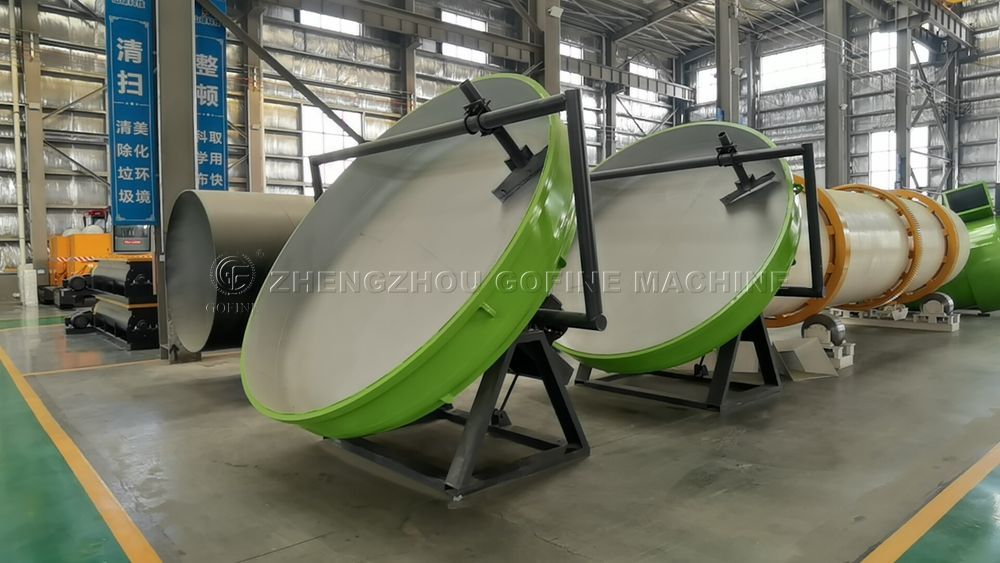
High capacity disc fertilizer granulator is a professional granulation equipment designed for large-scale fertilizer production, which takes the inclined rotating disc as the core working component and adopts the principle of rolling agglomeration to realize efficient granulation of materials. It is a key equipment in the fertilizer production line, connecting the mixing and drying links, and is widely applicable to the granulation of organic fertilizers, inorganic fertilizers, and organic-inorganic compound fertilizers. Compared with other granulation equipment such as drum granulators and roller extrusion granulators, high capacity disc fertilizer granulators have the characteristics of compact structure, small floor area, low energy consumption, and flexible operation, while ensuring high production capacity to meet the needs of industrial-scale production.
The "high capacity" of this equipment is reflected in its large processing capacity, with a daily output ranging from tens to hundreds of tons, which is far higher than small and medium-sized disc granulators. Its biggest advantage is the strong compatibility with raw materials, which can handle various organic raw materials such as decomposed animal manure, crop straw, and organic waste, as well as inorganic raw materials such as urea, ammonium sulfate, phosphate fertilizer, and potassium fertilizer. It can flexibly adjust production parameters according to the characteristics of different raw materials, ensuring stable granulation effect and uniform product quality. Whether it is the production of pure organic fertilizer, pure inorganic compound fertilizer, or organic-inorganic composite fertilizer, high capacity disc fertilizer granulators can play an excellent role, making it an indispensable core equipment in large-scale fertilizer production enterprises.
Working Principle of High Capacity Disc Fertilizer Granulator
The working principle of high capacity disc fertilizer granulator is based on the combined action of centrifugal force, friction force, and gravity, relying on the inclined rotating disc to realize the rolling agglomeration of materials and complete the granulation process. The entire working process is scientific and efficient, and the specific principle is as follows:
1. Material Feeding and Initial Mixing
The pretreated powdery or semi-wet organic/inorganic raw materials are uniformly fed into the rotating disc through the automatic feeding device. The raw materials need to be pretreated in advance—organic raw materials are decomposed and crushed to ensure uniform particle size and appropriate moisture content, while inorganic raw materials are crushed and mixed to avoid agglomeration. At the same time, an appropriate amount of water or organic binder is sprayed into the disc through the spray system to moisten the surface of the raw materials, laying the foundation for particle agglomeration.
2. Rolling Agglomeration and Granule Formation
The disc rotates at a stable speed (usually 18-30 rpm), and the materials in the disc are driven by the rotating force to do circular motion. Under the combined action of centrifugal force, friction force, and gravity, the materials continuously slide, tumble, and collide in the disc. The moistened material particles adhere to each other, gradually agglomerating into small particle nuclei. As the disc rotates continuously, the small particle nuclei continue to roll and absorb surrounding material particles, gradually growing into spherical granules of the required size.
3. Granule Discharge and Circulation
The inclination angle of the disc (usually adjustable between 35°-55°) is reasonably set to control the residence time of materials in the disc. When the granules grow to the preset size (usually 2-8 mm), their gravity exceeds the centrifugal force generated by the disc rotation, and they will slide down along the edge of the disc under the action of gravity, completing the granulation process and entering the next drying and cooling link. The unqualified small particles or powdery materials that do not meet the size requirements are collected and returned to the disc for re-granulation, ensuring high utilization rate of raw materials and reducing waste.
Core Structure of High Capacity Disc Fertilizer Granulator
High capacity disc fertilizer granulator is composed of multiple functional components, each of which undertakes a key role in the granulation process. The rational design and high-quality configuration of the core structure ensure the equipment’s high capacity, stable operation, and uniform granulation effect. The main core components are as follows:
1. Granulation Disc
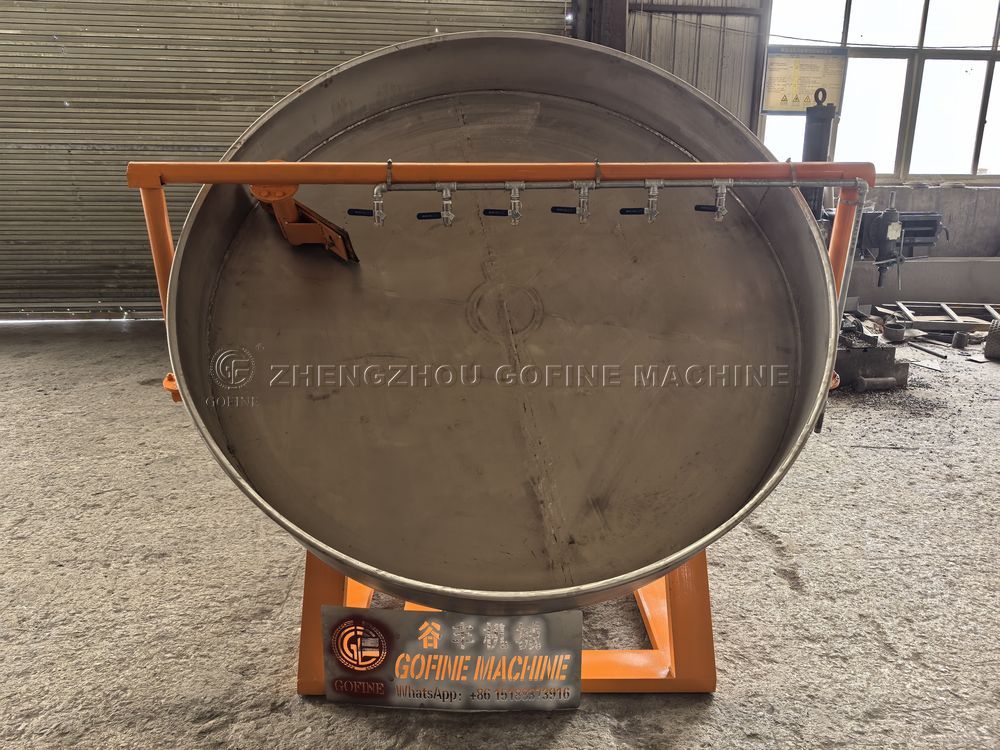
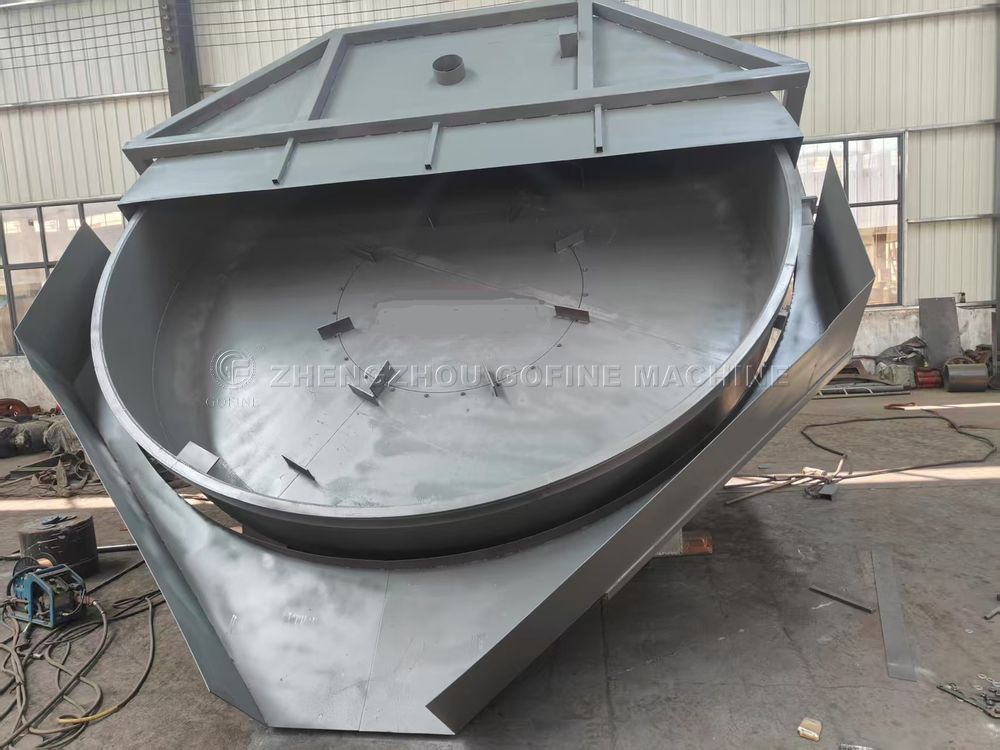
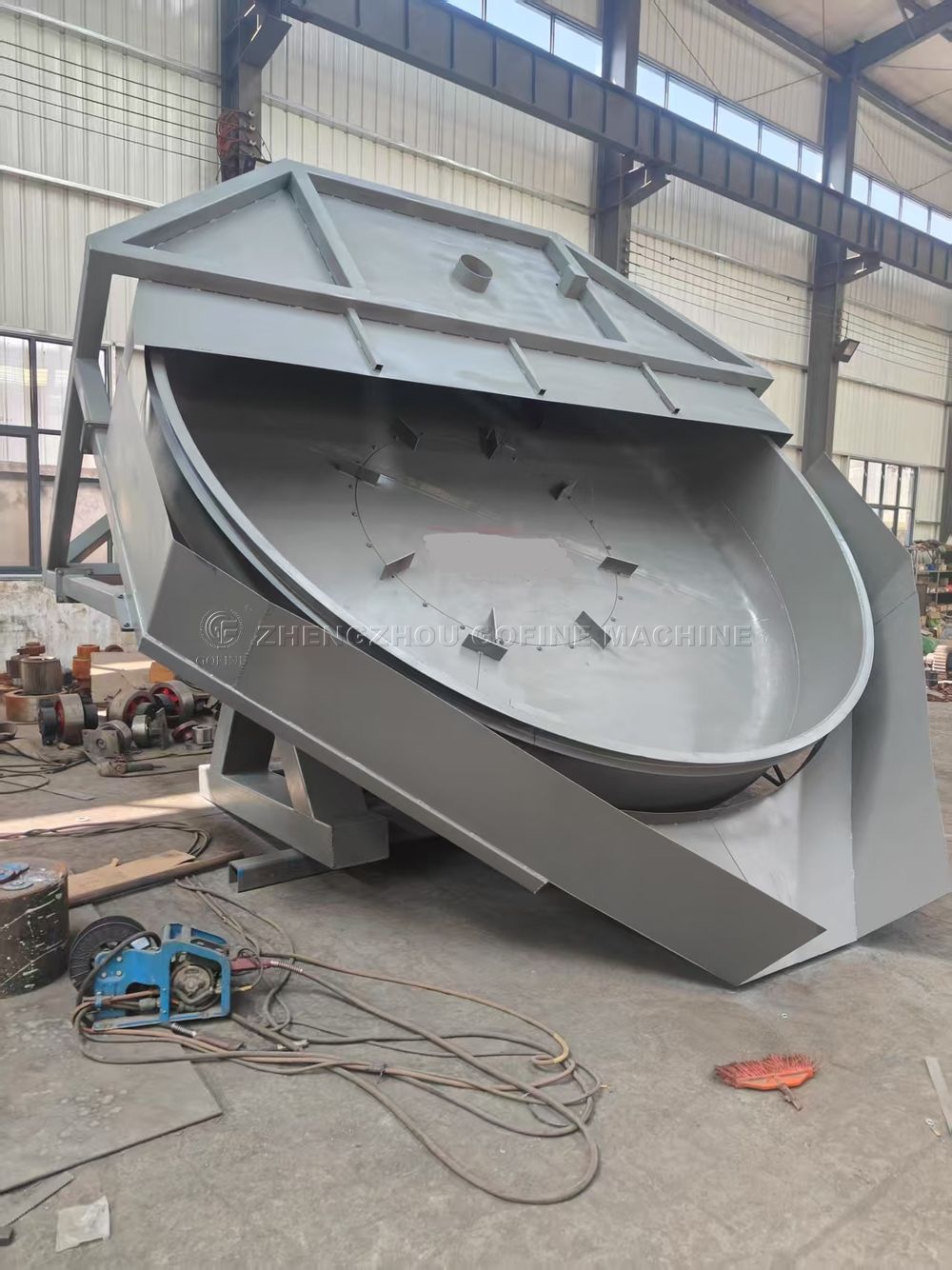
The granulation disc is the core working component of the equipment, usually made of high-quality carbon steel or stainless steel, with a diameter ranging from 2 meters to 5 meters (different specifications correspond to different production capacities). The inner wall of the disc is paved with a wear-resistant lining, which is usually made of rubber, polyurethane, or wear-resistant steel plate. The lining not only reduces the wear of the disc body caused by material friction but also enhances the adhesion of materials, facilitating particle agglomeration and avoiding material sticking to the wall. The disc adopts an integral arc structure, which ensures that the materials roll smoothly without dead corners, improving the uniformity of granulation. Some high-end models are equipped with adjustable disc sections, which can be adjusted up and down according to production needs to control the height of the disc edge and optimize the granulation effect.
2. Transmission System
The transmission system is the power source of the equipment, composed of a high-power motor, reducer, gear, belt, and bearing. The motor provides stable power, and the reducer adjusts the rotation speed of the disc to ensure that the disc rotates at a constant speed suitable for granulation. The gear and belt are responsible for transmitting power, and the bearing ensures the smooth rotation of the disc, reducing friction and energy consumption. The transmission system adopts a sealed design, which can prevent dust, moisture, and other impurities from entering, ensuring stable operation and long service life. The rotation speed of the disc can be adjusted through frequency conversion, which is convenient to adapt to the granulation needs of different raw materials.
3. Feeding and Spray System
The feeding system is composed of a feeding hopper, conveyor belt, and quantitative feeding device, which can realize automatic, uniform feeding of raw materials, ensuring the stability of the granulation process and avoiding the impact of uneven feeding on the granulation effect. The quantitative feeding device can accurately control the feeding amount according to the production capacity, realizing the matching between feeding and granulation speed. The spray system is composed of a water pump, spray nozzle, and pipeline, which can uniformly spray water or binder into the disc. The spray nozzle adopts an atomization design, which makes the water or binder evenly distributed on the surface of the materials, ensuring that the particles agglomerate uniformly and have high strength. The spray amount can be flexibly adjusted according to the moisture content of the raw materials and the granulation requirements.
4. Scraper Device
The scraper device is installed inside the disc, composed of a scraper frame and a scraper head, which is closely attached to the inner wall of the disc. Its main function is to timely scrape off the materials adhering to the inner wall of the disc, avoid material caking and accumulation, ensure the smoothness of the disc inner wall, and maintain uniform granulation. The scraper head is made of wear-resistant materials, which has strong wear resistance and long service life. The angle and height of the scraper can be adjusted according to the use situation, ensuring the scraping effect and avoiding damage to the disc lining.
5. Frame and Support System
The frame is made of high-strength steel, which has strong bearing capacity and stability, ensuring that the equipment can operate stably under high-load conditions for a long time. The support system is composed of brackets and adjusting feet, which can adjust the level of the equipment and the inclination angle of the disc. The inclination angle of the disc is adjustable between 35°-55°, which can be flexibly adjusted according to the type of raw materials and the required particle size, optimizing the residence time of materials in the disc and improving the granulation rate.
6. Control System
The high capacity disc fertilizer granulator is equipped with an intelligent control system, integrating a touch screen, PLC controller, and sensors, realizing automatic control and real-time monitoring of the granulation process. Operators can set parameters such as disc rotation speed, feeding amount, spray amount, and disc inclination angle through the touch screen, and the system can automatically adjust the operation of each component according to the set parameters. The system has a real-time monitoring function, which can display the operation status of the equipment and production data in real time, and issue an alarm prompt in case of equipment failure or parameter abnormality, ensuring the safe and stable operation of the equipment.
Functional Characteristics of High Capacity Disc Fertilizer Granulator
Compared with small and medium-sized disc granulators and other types of granulation equipment, high capacity disc fertilizer granulators have obvious advantages in production capacity, adaptability, granulation effect, and operation convenience, especially suitable for large-scale organic and inorganic fertilizer production. The main functional characteristics are as follows:
1. High Production Capacity, Suitable for Large-Scale Production
As the core advantage of the equipment, the high capacity is reflected in the large processing capacity. The daily output can reach tens to hundreds of tons, and the hourly output can reach 5-20 tons (depending on the equipment specification and raw material characteristics). The equipment adopts a continuous production mode, which can operate 24 hours a day, ensuring the continuity of large-scale production and meeting the large-volume production needs of fertilizer enterprises. The modular design of the equipment can also be flexibly expanded according to the production scale, adapting to the development needs of enterprises.
2. Strong Raw Material Adaptability, Applicable to Organic & Inorganic Fertilizers
The equipment has strong compatibility with raw materials, and can perfectly adapt to the granulation of organic fertilizers, inorganic fertilizers, and organic-inorganic composite fertilizers. For organic raw materials such as decomposed animal manure, crop straw, and organic waste, the equipment can effectively handle the characteristics of high moisture content (15%-30%) and light weight, ensuring that the granules are formed stably and have high strength. For inorganic raw materials such as urea, ammonium sulfate, phosphate fertilizer, and potassium fertilizer, the equipment can handle the characteristics of high hardness and poor adhesion, and form qualified granules by adding an appropriate amount of binder. The flexible adjustment of parameters allows the equipment to adapt to different raw material formulas, realizing the production of multiple products with one set of equipment.
3. Uniform Granulation, High Qualification Rate
The inclined rotating disc design and the combined action of centrifugal force, friction force, and gravity ensure that the materials roll fully in the disc, and the formed granules are spherical, uniform in size, and high in qualification rate (up to 95% or more). The particle size can be flexibly adjusted between 2-8 mm according to the production needs, which is suitable for different application scenarios such as field crops, cash crops, and horticultural crops. The granules have high strength, are not easy to break during storage and transportation, and can effectively avoid powdering, improving the market competitiveness of the products.
4. Energy Saving and Environmental Protection, Low Operating Cost
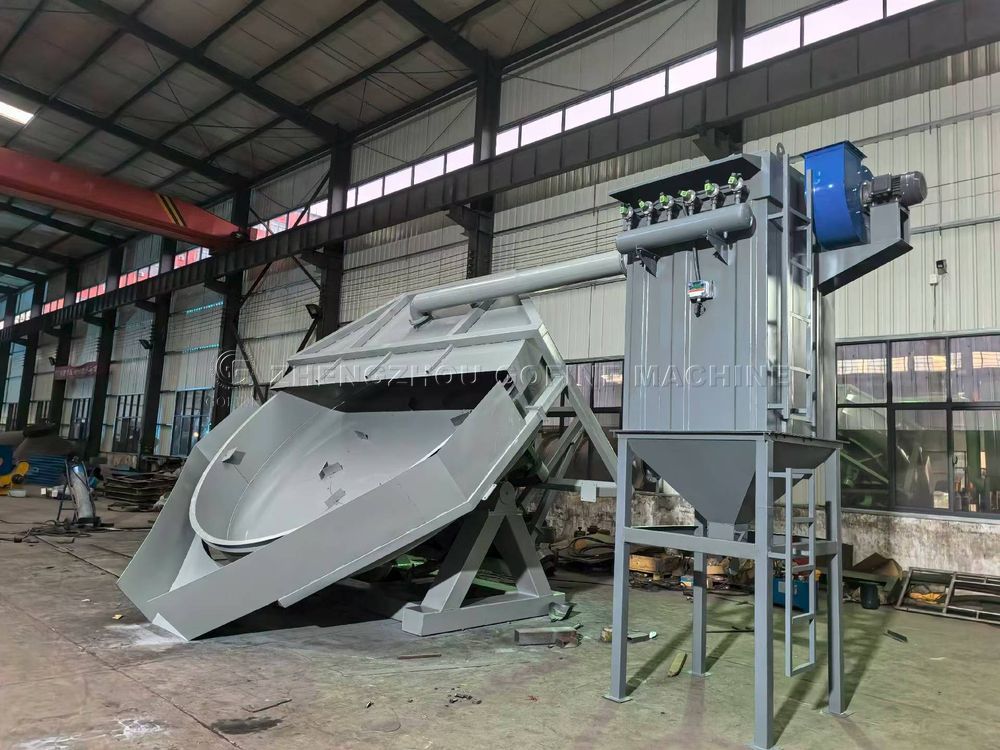
The equipment adopts an optimized structural design, with low energy consumption. Compared with drum granulators, the energy consumption can be reduced by up to 30%, which greatly reduces the operating cost of enterprises. The equipment is equipped with a dust removal device, which can collect the dust generated during the granulation process, avoid environmental pollution, and meet the requirements of green production. The wear-resistant lining and high-quality core components reduce the failure rate of the equipment, and the daily maintenance workload is small, further reducing the maintenance cost and downtime loss.
5. Simple Operation, Easy Maintenance
The equipment has a simple structure, no complex transmission components, and the intelligent control system makes the operation more convenient. Operators can master the operation skills through simple training, without professional technical background. The key components such as the disc, scraper, and lining are easy to disassemble and replace, and the daily maintenance mainly includes regular lubrication, cleaning, and inspection, which is simple and easy to implement. The equipment has a low failure rate and stable operation, ensuring the continuity of production.
6. Flexible Adjustment, Strong Practicality
The disc rotation speed, inclination angle, feeding amount, and spray amount of the equipment can all be flexibly adjusted according to the raw material characteristics and production requirements. For example, when granulating organic raw materials with high moisture content, the disc rotation speed can be appropriately reduced and the inclination angle can be adjusted to extend the residence time of materials in the disc; when granulating inorganic raw materials, the spray amount of binder can be increased to improve the adhesion of materials. This flexible adjustment ability makes the equipment suitable for different production needs and improves the practicality and applicability of the equipment.
Application Scope of High Capacity Disc Fertilizer Granulator
Due to its high capacity, strong adaptability, and stable performance, high capacity disc fertilizer granulators are widely used in various large-scale fertilizer production scenarios, covering organic fertilizer, inorganic fertilizer, and organic-inorganic composite fertilizer production. The main application scopes are as follows:
1. Large-Scale Organic Fertilizer Production Enterprises
Large-scale organic fertilizer production enterprises usually use decomposed animal manure, crop straw, food processing waste, and other organic raw materials for mass production. High capacity disc fertilizer granulators can handle the large-volume organic raw materials, convert them into spherical organic fertilizer granules, and ensure the uniform quality and high strength of the products. The equipment can be matched with the organic fertilizer production line (including crushing, fermentation, mixing, drying, and packaging equipment) to realize full-process automated production, improving production efficiency and reducing labor costs.
2. Inorganic Compound Fertilizer Production Enterprises
Inorganic compound fertilizer production enterprises mainly produce NPK compound fertilizers, single-element inorganic fertilizers, and other products. High capacity disc fertilizer granulators can granulate inorganic raw materials such as urea, ammonium sulfate, superphosphate, and potassium chloride, and form qualified granules by adding an appropriate amount of binder. The equipment can flexibly adjust the particle size and formula according to the market demand, producing compound fertilizers suitable for different soil types and crops, and improving the market adaptability of the products.
3. Organic-Inorganic Composite Fertilizer Production Enterprises
Organic-inorganic composite fertilizer combines the advantages of organic fertilizer and inorganic fertilizer, which can improve soil fertility and provide balanced nutrients for crops. High capacity disc fertilizer granulators can perfectly handle the mixed raw materials of organic and inorganic components, avoid material stratification, ensure that organic matter and inorganic nutrients are evenly distributed in the granules, and improve the fertilizer efficiency of the products. The equipment is the core equipment for the large-scale production of organic-inorganic composite fertilizers.
4. Agricultural Cooperatives and Large-Scale Planting Bases
Large-scale agricultural cooperatives and planting bases have a large demand for fertilizers, and some enterprises will build their own small-scale fertilizer production lines to reduce the cost of purchasing fertilizers. High capacity disc fertilizer granulators can meet their large-volume production needs, produce fertilizers suitable for their own planting crops, and ensure the quality and safety of fertilizers. The equipment is easy to operate and maintain, which is suitable for the use of cooperatives and planting bases without professional technical teams.
5. Environmental Protection Enterprises
Environmental protection enterprises can use organic waste such as municipal solid waste, food processing waste, and livestock and poultry manure as raw materials to produce organic fertilizers through high capacity disc fertilizer granulators, realizing the resource utilization of organic waste and reducing environmental pollution. The equipment can handle a large amount of organic waste, with high production efficiency, which is an important equipment for environmental protection enterprises to carry out waste resource utilization projects.
Operation Guidelines for High Capacity Disc Fertilizer Granulator
To ensure the safe and stable operation of high capacity disc fertilizer granulators, improve production efficiency and product quality, and extend the service life of the equipment, it is necessary to follow scientific operation guidelines. The specific operation steps and precautions are as follows:
1. Pre-Operation Inspection
Before starting the equipment, conduct a comprehensive inspection of the entire machine. Check whether the connecting parts of each component are loose, whether the transmission system is flexible, and whether the lubricating oil is sufficient. Check the wear of the scraper, disc lining, and other易损 parts, and replace them in a timely manner if there is serious wear. Check the spray system for blockage, ensure that the water pump and spray nozzle are working normally. Check the control system, ensure that the touch screen, sensors, and other components are working normally, and set the relevant parameters according to the production needs (disc rotation speed, feeding amount, spray amount, etc.).
2. Equipment Start-Up
After the pre-operation inspection is qualified, start the equipment in sequence: first start the control system, then start the transmission system to make the disc rotate at a stable speed, then start the spray system to spray an appropriate amount of water or binder, and finally start the feeding system to feed raw materials into the disc. The feeding amount should be gradually increased to avoid excessive feeding, which may cause material accumulation in the disc and affect the granulation effect. During the start-up process, closely observe the operation status of the equipment, and stop the machine immediately if there is any abnormal noise or failure.
3. During-Operation Control
During the operation of the equipment, closely monitor the granulation effect, and adjust the relevant parameters in a timely manner according to the particle size and shape of the granules. If the granules are too small, the disc rotation speed can be reduced, the spray amount can be increased, or the inclination angle of the disc can be adjusted to extend the residence time of materials in the disc. If the granules are too large or uneven, the disc rotation speed can be increased, the feeding amount can be adjusted, or the spray amount can be reduced. At the same time, observe the operation status of each component, check the temperature of the motor and reducer, and ensure that they are within the normal range. Regularly clean the scraper to avoid material sticking to the wall.
4. Shutdown Operation
When the production task is completed or the equipment needs to be shut down for maintenance, shut down the equipment in reverse order: first stop the feeding system, then stop the spray system, let the disc continue to rotate for 5-10 minutes, and wait for the materials in the disc to be completely discharged. Then stop the transmission system and the control system. After shutdown, clean the disc, scraper, feeding hopper, and spray system thoroughly, remove the residual materials, avoid material caking and corrosion of the equipment. Check the equipment again, and conduct maintenance and maintenance according to the needs.
5. Operation Precautions
Operators must wear protective equipment (such as gloves, goggles, and work clothes) during operation to avoid personal injury. It is strictly prohibited to put hands or other objects into the rotating disc during the operation of the equipment. Do not adjust the parameters arbitrarily during the operation of the equipment to avoid affecting the granulation effect or causing equipment failure. If the equipment fails, it must be shut down and powered off before maintenance, and it is strictly prohibited to maintain the equipment during operation. Regularly check the safety protection devices of the equipment to ensure their normal operation.
Key Maintenance Points of High Capacity Disc Fertilizer Granulator
Regular maintenance is the key to ensuring the long-term stable operation of high capacity disc fertilizer granulators, reducing the failure rate, and extending the service life of the equipment. The key maintenance points are as follows:
1. Regular Inspection and Replacement of Parts
Regularly inspect the parts of the equipment, such as the disc lining, scraper head, belt, and bearing. The disc lining has a replacement cycle of 3-6 months (depending on the raw material characteristics and working hours), and it should be replaced in a timely manner if there is serious wear, falling off, or surface sanding. The scraper head has a replacement cycle of 1-2 months, and it should be replaced in a timely manner if it is severely worn or the blade becomes blunt. The belt has a replacement cycle of 6-12 months, and it should be replaced immediately if there is cracking, slipping, or aging. The bearing has a replacement cycle of 12-18 months, and lubricating oil should be added regularly. If there is abnormal noise, heating, or unsmooth rotation, it should be inspected or replaced in a timely manner.
2. Lubrication Maintenance
Regularly add lubricating oil to the moving parts of the equipment, such as bearings, gears, and reducers, to reduce friction between parts, prevent wear, and ensure the flexible operation of the equipment. The type and amount of lubricating oil should be selected according to the equipment manual, and the lubricating oil should be replaced regularly (usually every 3-6 months) to avoid the deterioration of lubricating oil affecting the operation of the equipment. When adding lubricating oil, ensure that the oil amount is appropriate, not too much or too little.
3. Cleaning Maintenance
After each production cycle, clean the equipment thoroughly, including the disc, scraper, feeding hopper, spray system, and discharge port. Remove the residual materials in the equipment to avoid the caking and deterioration of residual materials, which may affect the quality of subsequent products and the operation of the equipment. For the parts in contact with materials, use appropriate cleaning agents to clean them, ensuring no residue. Clean the dust removal device regularly to ensure its normal operation and environmental protection effect.
4. Maintenance of Control System
Regularly check the control system, including the touch screen, PLC controller, sensors, and connecting lines, to ensure that the system can accurately collect and transmit data, and the control function is normal. Clean the dust on the control panel and connecting lines, check the connection of the lines, and avoid poor contact. Regularly back up the production data in the system to prevent data loss. Calibrate the sensors and quantitative feeding device regularly to ensure their accuracy.
5. Regular Overall Inspection and Calibration
Conduct an overall inspection and calibration of the equipment every 6 months to 1 year, including the accuracy of the transmission system, the level of the frame, the inclination angle of the disc, the spray effect of the spray system, and the granulation effect. Calibrate the parameters of the equipment to ensure that the equipment operates within the standard range, ensuring the stability of production efficiency and product quality. For aging equipment parts, replace them in a timely manner to avoid major failures.
Conclusion
High capacity disc fertilizer granulator, as a high-efficiency, stable, and versatile granulation equipment, plays an irreplaceable role in the large-scale production of organic and inorganic fertilizers. It integrates the advantages of high production capacity, uniform granulation, strong raw material adaptability, energy saving and environmental protection, simple operation, and easy maintenance, which can effectively meet the needs of large-scale fertilizer production enterprises, agricultural cooperatives, and environmental protection enterprises.
With the continuous development of the fertilizer industry and the increasing demand for large-scale, standardized production, high capacity disc fertilizer granulators will be more widely used. Its ability to adapt to both organic and inorganic raw materials makes it a core equipment for the production of various fertilizers, helping enterprises improve production efficiency, reduce costs, and enhance product competitiveness. By following scientific operation guidelines and doing a good job in daily maintenance, the service life of the equipment can be extended, and the maximum production efficiency and economic benefits can be exerted.
In the future, with the continuous advancement of technology, high capacity disc fertilizer granulators will be further optimized in terms of intelligence, energy saving, and environmental protection, providing stronger support for the sustainable development of the fertilizer industry and the promotion of green agriculture.
Related Content
Latest News
- Custom Double Roller Extrusion Granulator | Dust-Free Roller Compactor
- High-Capacity Rotary Drum Granulator: The Core Solution for NPK & Compound Fertilizer Production
- Compound Fertilizer Cage Crusher with Screw Feeder | Non-Clogging Crusher
- Fertilizer Granulator Machines: Transforming Compost Powder into Premium Pelleted Fertilizer
- Diesel Semi-Wet Material Crusher: Heavy-Duty Solution for High-Moisture Waste Grinding
- Heavy-Duty 2.5m Disc Granulator for Mineral Fertilizer
- Towed Compost Turner: Heavy-Duty Solution for High-Volume Organic Fertilizer Production
- Stainless Steel Cow Bedding Recovery System: Convert Dairy Manure into Premium Bedding