


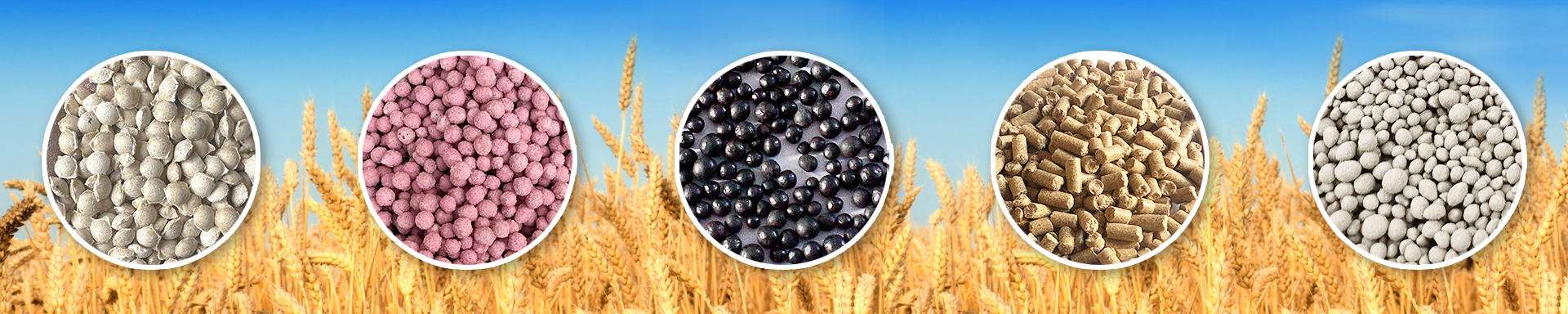
Mineral Fertilizer Production Line: Machinery & Process Blueprint
Published on: 2026-08-11Processing mineral powders—such as rock phosphate, potassium ore, humic acid minerals, and calcium-magnesium phosphate—into high-density commercial fertilizer granules requires a specialized manufacturing line. Mineral feedstocks feature high bulk density, abrasive hardness, and zero natural stickiness, making traditional wet granulation energy-intensive and costly.
Deploying a dry compaction mineral fertilizer production line powered by a heavy-duty double roller press granulator delivers an efficient, binder-free engineering solution that eliminates thermal drying expenses entirely.
Core Technology: Dry Extrusion vs. Wet Granulation for Mineral Ore
Traditional wet granulation systems (such as wet rotary drums or disc granulators) require adding liquid mist or costly chemical binders to agglomerate dense mineral powders. This creates severe operational drawbacks:
Excessive Energy Consumption: Removing added water requires massive, fuel-burning rotary drying drums.
Severe Machinery Wear & Corrosion: Wet mineral slurries cause heavy abrasion on equipment housing and accelerate rust.
Caking & Storage Issues: Moisture-retaining mineral granules easily absorb ambient humidity and cake into solid blocks in storage.
The Dry Compaction Process Solution
A heavy-duty mineral fertilizer production line utilizes pure mechanical compaction. Raw dry mineral powders pass between counter-rotating alloy rollers under intense hydraulic pressure. The machine forces fine particles into dense, solid sheets, which are immediately broken down into high-strength 2–5 mm granules. This continuous process runs at ambient temperature with zero added water, zero chemical binders, and zero thermal drying, saving over 40% in daily plant operating costs.
Step-by-Step Mineral Fertilizer Production Line Process
A complete industrial mineral fertilizer manufacturing plant operates on a continuous, four-stage closed-loop layout:
[Mineral Ore Powder] ➔ Precision Dosing ➔ Twin-Shaft Mixing ➔ Roller Press Compaction ➔ Crushing & Screening ➔ Packaging
1. Automated Dosing & Homogenization:
Dry mineral powders, trace elements, and NPK additives are measured via an automated loss-in-weight batching system and thoroughly blended in a heavy-duty twin-shaft horizontal mixer. Feedstock moisture is strictly maintained between 3% and 8%.
2. Double Roller High-Pressure Compaction:
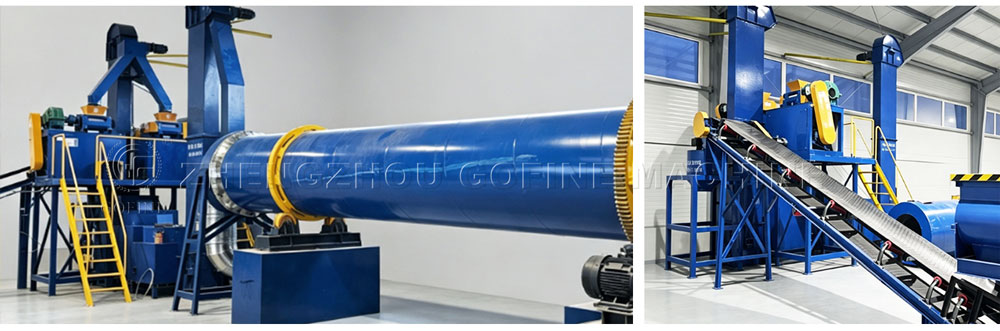
Blended mineral powder feeds into the hopper of the double roller press granulator. Heavy alloy rollers exert high mechanical pressure to squeeze the powder into dense mineral flakes.
3. Integrated Crushing & Precision Screening:
The compacted mineral flakes feed directly into lower breaker shafts, which crush them into granules. A heavy-duty rotary sizing screen separates target 2–5 mm granules from fine tailings.
4. Closed-Loop Recycling & Automated Bagging:
Undersized fines automatically route back to the granulator hopper via bucket elevator for re-compaction (100% raw material utilization). Qualified granules enter an anti-caking coating machine before proceeding to automated bagging scales.
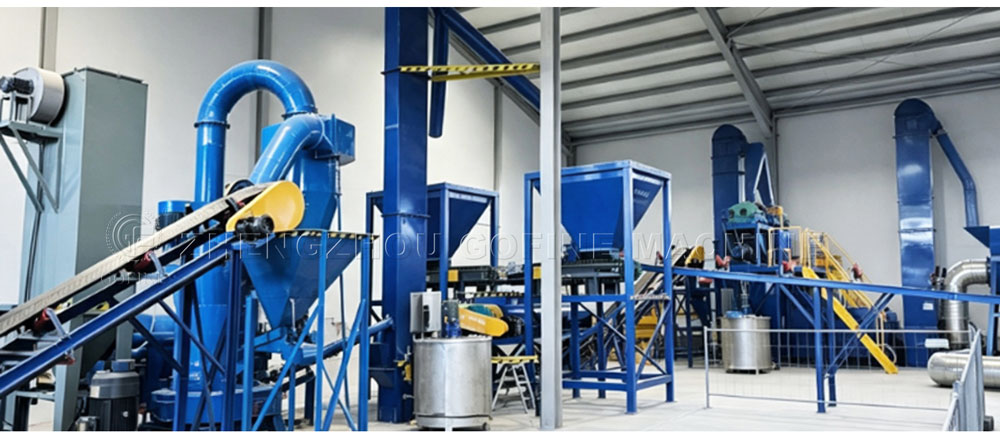
Mineral Fertilizer Production Line Machinery Configuration
Automated Batching System: Precision multi-hopper feeders for exact mineral and chemical formulations.
Heavy-Duty Twin-Shaft Horizontal Mixer: High-torque paddle mixer built with wear-resistant liners for abrasive ores.
Dust-Tight Bucket Elevator: High-efficiency vertical elevator with fully enclosed steel casing for dust control.
Gofine Double Roller Press Granulator: Heavy-duty main press featuring wear-resistant roller shells and integrated crushing shafts.
Rotary Sizing Screen: High-capacity mechanical screen for precise 2–5 mm granule separation.
Anti-Caking Coating Drum: Applies liquid film or protective glaze powder to prevent moisture absorption during transit.
Automated Bagging Scale: Fast pneumatic filling unit for 25–50 kg retail sacks or 1-ton bulk bags.
Target Applications & Raw Material Suitability
Phosphate Mineral Ore: Rock phosphate powder, Single Superphosphate (SSP), and Triple Superphosphate (TSP).
Potassium Minerals: Muriate of Potash (MOP/Potassium Chloride) and Sulfate of Potash (SOP/Potassium Sulfate).
Humic & Organic Mineral Blends: Weathered coal, Leonardite powder, humic acid, and bentonite clay.
Soil Conditioners & Trace Minerals: Calcium-magnesium phosphate, gypsum, agricultural lime, and dolomite powder.
Frequently Asked Questions
Q: Why is dry extrusion preferred for a mineral fertilizer production line?
A: Mineral powders lack natural stickiness and feature high bulk density. A dry double roller press uses physical mechanical pressure to form granules, eliminating liquid binders and expensive fuel-burning rotary dryers while cutting energy costs by over 40%.
Q: What is the optimal feedstock moisture for mineral ore compaction?
A: Raw material moisture must strictly remain between 3% and 8%. Moisture above 8% causes wet powder to stick to roller pockets, while moisture below 3% reduces flake compaction density and pellet crush strength.
Q: What granule shape and strength does a roller press mineral granulator yield?
A: The double roller compaction process produces high-density oblate, pillow-shaped, or oval granules with exceptional crush strength, preventing breakage during bulk transport and broad-acre mechanical spreading.
Deploying Your Custom Mineral Fertilizer Production Line
Investing in a dry compaction mineral fertilizer production line allows fertilizer manufacturers and mining operations to transform low-value mineral ore powders into premium commercial granules. By deploying high-pressure roller press technology, plant operators eliminate fuel drying expenses, reduce footprint requirements, and deliver non-caking mineral granules to global agricultural markets.
Request Your Custom Mineral Line Blueprint
Planning to establish a high-yield mineral fertilizer processing plant or upgrade an existing ore granulation facility? Contact the Gofine technical engineering department for custom layout drawings, material pressure testing reports, and direct factory equipment quotes.
Related Content
- Heavy-Duty 2.5m Disc Granulator for Mineral Fertilizer
- Turn Limestone Powder into Premium Mineral Fertilizer: Complete Granulation Production Lines
- How to Make Organo-Mineral Fertilizer from Poultry Manure & Rock Phosphate
- Mineral Fertilizer Production Line: Machinery & Process Blueprint
- Clay Mineral Kaolin Granulator For Fertilizer
- The best granulation equipment for mineral fertilizer production
Latest News
- Heavy-Duty 2.5m Disc Granulator for Mineral Fertilizer
- Towed Compost Turner: Heavy-Duty Solution for High-Volume Organic Fertilizer Production
- Stainless Steel Cow Bedding Recovery System: Convert Dairy Manure into Premium Bedding
- Turn Limestone Powder into Premium Mineral Fertilizer: Complete Granulation Production Lines
- How to Make Organo-Mineral Fertilizer from Poultry Manure & Rock Phosphate
- Bedding Recovery System for Dairy Farms | Manure Recycling
- Calcium & Magnesium Chloride Granulation Production Line (Double Roller Extrusion System)
- Heavy-Duty Organic Fertilizer Compost Turner Machine for Commercial Composting