


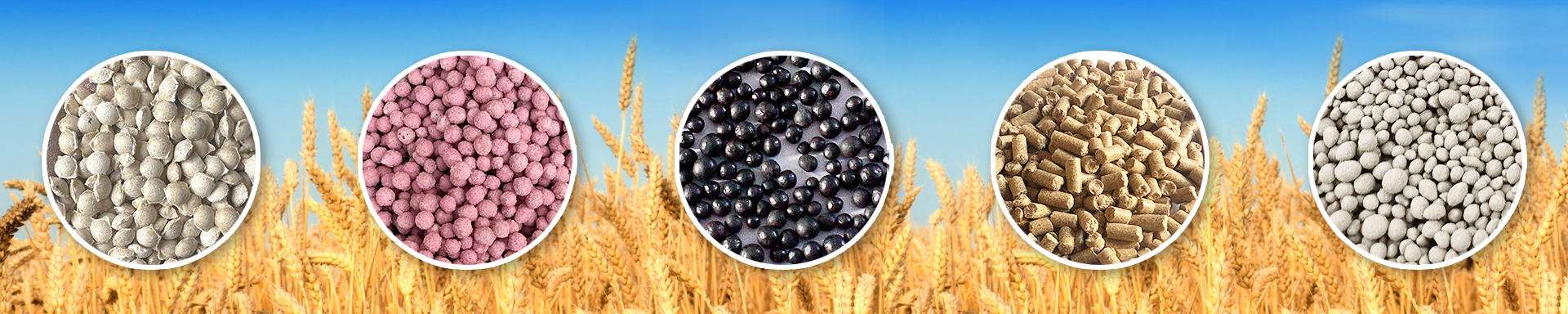
Wet Granulation vs. Dry Compaction for Bio-Fertilizer Granulation
Published on: 2026-08-13Granulating bio-organic fertilizer presents a unique biological challenge: preserving functional microbial viability (Bacillus subtilis, Trichoderma, or mycorrhizae) while producing dense, commercial-grade granules.
Unlike standard chemical fertilizers, bio-fertilizers contain heat-sensitive functional bacteria. Excessive heat in rotary drying drums or high mechanical shear can destroy beneficial microbial spore counts. Selecting between a wet granulation process and a dry compaction method dictates your plant's strain survival rates, operational energy costs, and final granule quality.
The Microbial Survival Challenge in Bio-Fertilizer Granulation
Bio-fertilizers rely on live beneficial microorganisms to enhance soil nutrient bioavailability and plant immunity. Traditional fertilizer manufacturing poses two main threats to these microbes:
Thermal Inactivation:
Temperatures above 60°C–70°C inside high-temperature rotary dryers rapidly kill non-spore-forming functional bacteria.
Shear Stress & Moisture Friction:
Excessive hydraulic shear during high-moisture mixing can rupture delicate cell walls.
Selecting the optimal bio-fertilizer granulator setup requires balancing granule density, crush strength, and microbial spore survival.
Wet Granulation for Bio-Organic Fertilizer
Wet granulation utilizes liquid binders or water mists to agglomerate fine organic compost powders into spherical pellets inside a rotating drum, disc, or wet-type stirring granulator.
Key Wet Granulation Technologies
New-Type Bio-Organic Fertilizer Granulator: Combines high-speed agitation with rotating extrusion, yielding spherical granules with smooth finishes.
Disc Granulator (Pan Pelletizer): Low-CAPEX option using liquid atomization to form round pellets through rolling motion.
Pros & Cons for Bio-Fertilizers
Pros: Produces spherical pellets (95%+ roundness) with high bulk density and strong consumer appeal.
Cons: Requires adding 20%–30% liquid, making heavy rotary dryers necessary. To prevent thermal die-off, drying temperatures must be strictly controlled, which slows production speed and increases fuel costs.
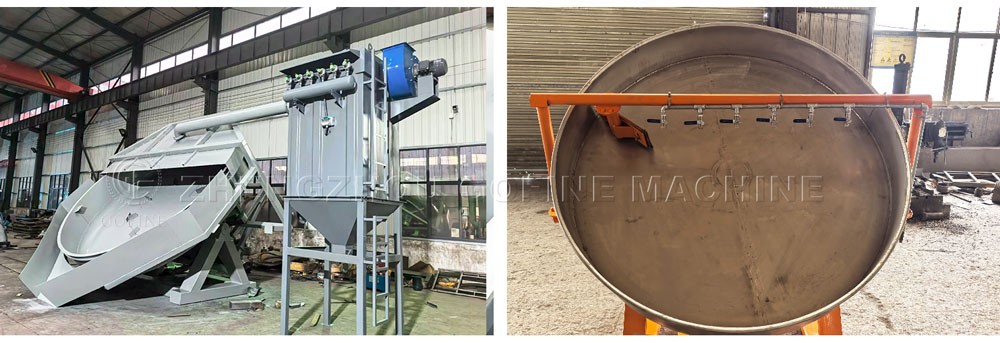
Dry Compaction for Bio-Fertilizer Manufacturing
Dry compaction—specifically utilizing a heavy-duty double roller press granulator—forces low-moisture organic powder between counter-rotating alloy rollers under mechanical pressure.
How Dry Roller Compaction Works
The organic powder feeds into the press hopper, where synchronized alloy rollers compress it into solid sheets without adding water or chemical binders. Internal breaker shafts then crush the sheets into 2–5 mm granules.
Pros & Cons for Bio-Fertilizers
Pros (Zero Thermal Drying): Operates entirely at ambient temperature with 3%–8% feedstock moisture, completely eliminating fuel-burning drying drums. Functional bacteria suffer zero heat degradation, achieving maximum spore survival rates while saving over 40% in daily operating costs.
Cons: Yields oblate or pillow-shaped granules rather than round spheres (a rounding/polishing drum can be added if round granules are required).
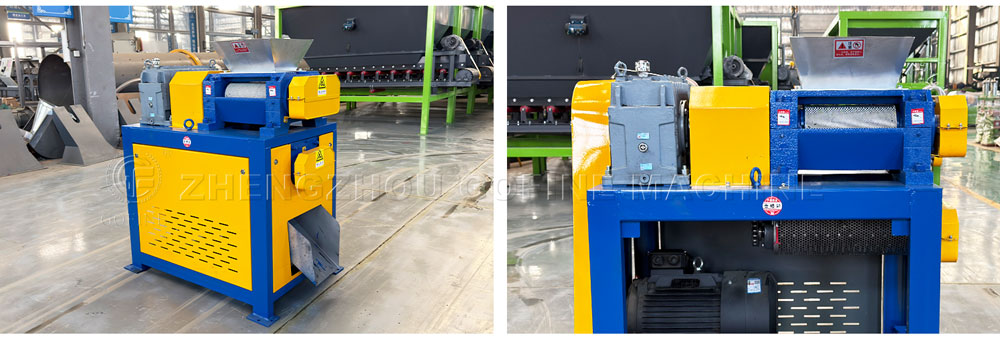
Technology Comparison Matrix
| Operational Metric | Wet Granulation (Disc / Wet Stirring) | Dry Compaction (Double Roller Press) |
| Microbial Survival Rate | Moderate (Requires low-temp drying control) | Exceptional (Zero heat degradation) |
| Feedstock Moisture Needed | 20% – 30% | 3% – 8% |
| Thermal Dryer Needed? | Yes (Low-temperature rotary dryer) | No (Zero thermal drying) |
| Granule Appearance | Smooth, spherical pellets | Oblate, pillow-shaped granules |
| Operational Energy Cost | Higher (Fuel/Electricity for drying) | Over 40% lower OPEX |
| Binder Requirement | Water or liquid organic binder | None (Pure physical compression) |
Frequently Asked Questions
Q: How do I prevent heat from killing functional bacteria during bio-fertilizer granulation?
A: Utilizing a dry double roller press granulator completely avoids thermal drying, ensuring maximum bacterial survival. If using wet granulation, keep rotary dryer inlet air temperatures strictly low or spray heat-sensitive microbial inoculants onto granules post-drying during the liquid coating phase.
Q: Which granulator is best for high-fiber bio-organic fertilizer formulations?
A: For fibrous feedstocks (such as straw-rich manure or mushroom compost), a flat die pellet mill or double roller press handles fiber extrusion far better than disc granulators.
Q: What is the optimal moisture level for dry roller compaction of bio-fertilizers?
A: Raw material moisture should be strictly maintained between 3% and 8% to ensure high flake compaction density without sticking to roller pockets.
Selecting the Right Bio-Fertilizer Granulation Equipment
Choosing between wet granulation and dry compaction depends on your target granule shape and operating budget. If your market demands perfectly spherical pellets, a wet-type bio-organic fertilizer granulator with a low-temperature drying system delivers premium aesthetics. If your priority is maximum microbial spore survival, low energy consumption, and zero drying overhead, installing a double roller press granulator provides the most cost-effective bio-fertilizer production setup.
Get Your Bio-Fertilizer Plant Blueprint
Evaluating granulator options for your bio-organic fertilizer processing facility? Contact the Gofine engineering department for bacterial strain testing reports, custom line drawings, and factory-direct equipment quotes.
Contact our technical team today for direct manufacturer pricing on our bio-fertilizer granulator series!
Related Content
Latest News
- Fertilizer Granulator Machines: Transforming Compost Powder into Premium Pelleted Fertilizer
- Diesel Semi-Wet Material Crusher: Heavy-Duty Solution for High-Moisture Waste Grinding
- Heavy-Duty 2.5m Disc Granulator for Mineral Fertilizer
- Towed Compost Turner: Heavy-Duty Solution for High-Volume Organic Fertilizer Production
- Stainless Steel Cow Bedding Recovery System: Convert Dairy Manure into Premium Bedding
- Turn Limestone Powder into Premium Mineral Fertilizer: Complete Granulation Production Lines
- How to Make Organo-Mineral Fertilizer from Poultry Manure & Rock Phosphate
- Bedding Recovery System for Dairy Farms | Manure Recycling