


Automatic Small Disc Granulator Organic Fertilizer Plant
Published on: 2026-05-28With the rapid development of organic agriculture and the increasingly strict environmental protection policies worldwide, the demand for small-scale, efficient, and automatic organic fertilizer production equipment is growing rapidly. An automatic small disc granulator organic fertilizer plant has become the first choice for small and medium-sized investors, family farms, and rural cooperatives. It integrates automatic control, efficient granulation, and low-cost operation, taking organic wastes such as cow manure, chicken manure, and crop straw as raw materials, and turning them into high-value granular organic fertilizer through scientific processes. This article comprehensively covers the definition, core advantages, working principle, complete production process, equipment configuration, application scenarios, and selection tips of this plant, focusing on the key information that users frequently search for, helping to improve the relevance of the webpage to search keywords and enhance its ranking in search engines.
What Is an Automatic Small Disc Granulator Organic Fertilizer Plant?
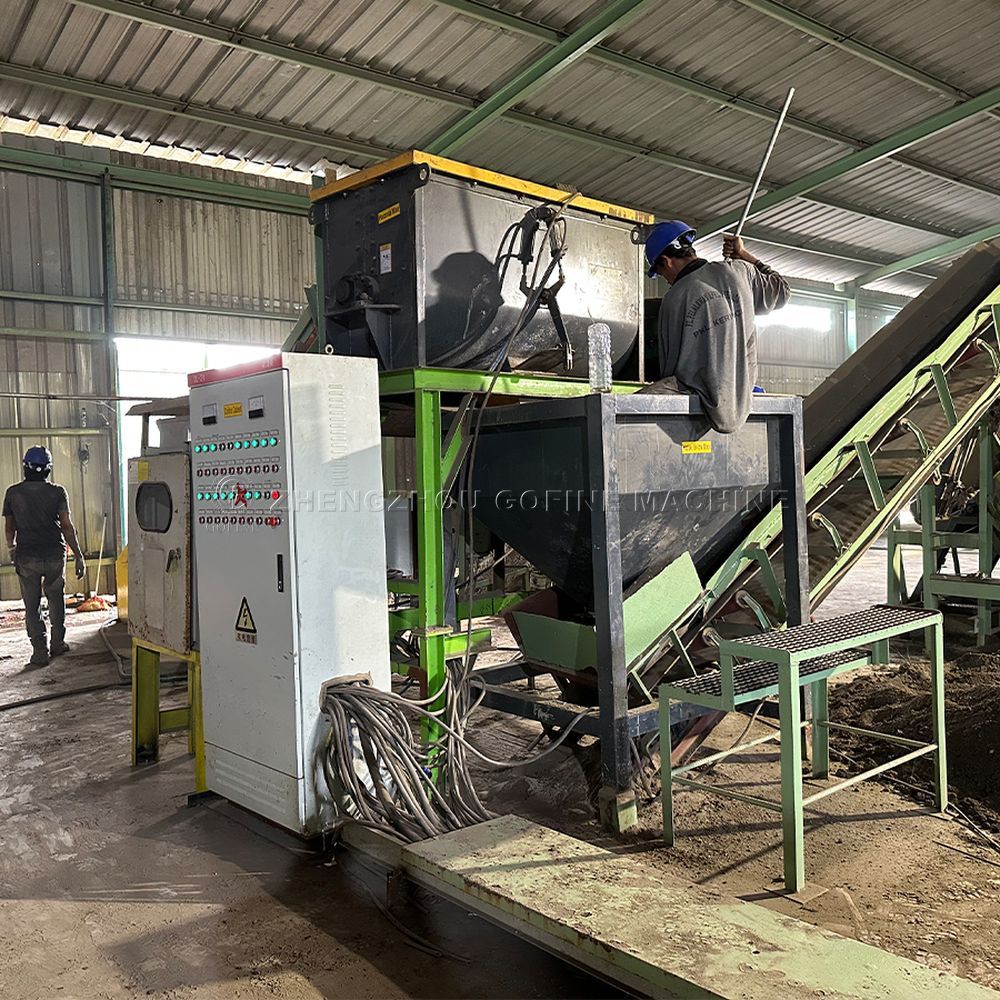
An automatic small disc granulator organic fertilizer plant is a small-scale, automated production facility that takes the automatic small disc granulator as the core equipment, integrating raw material pretreatment, aerobic fermentation, automatic mixing, disc granulation, drying, cooling, screening, and packaging into one. It is specifically designed for small-scale production scenarios (daily output 1-20 tons), with the core characteristics of automation, compact structure, low investment, and easy operation.
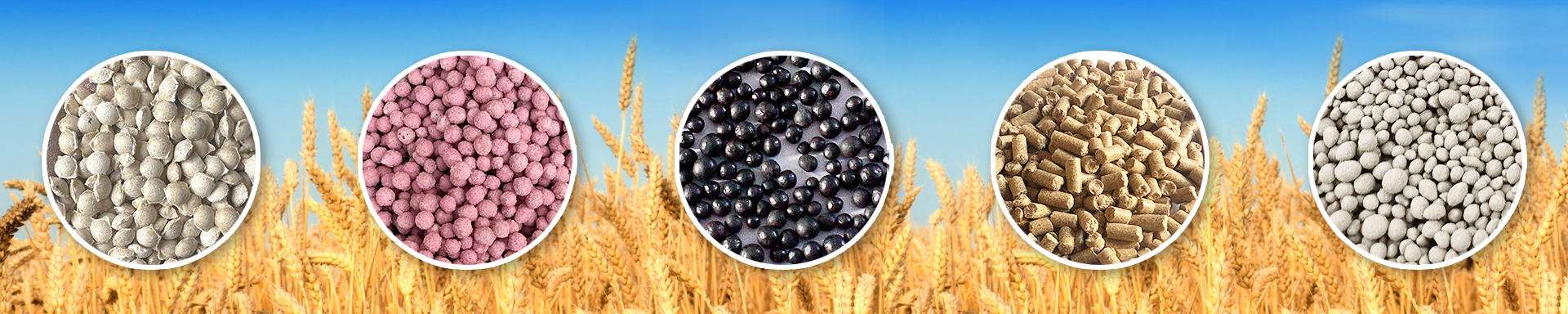
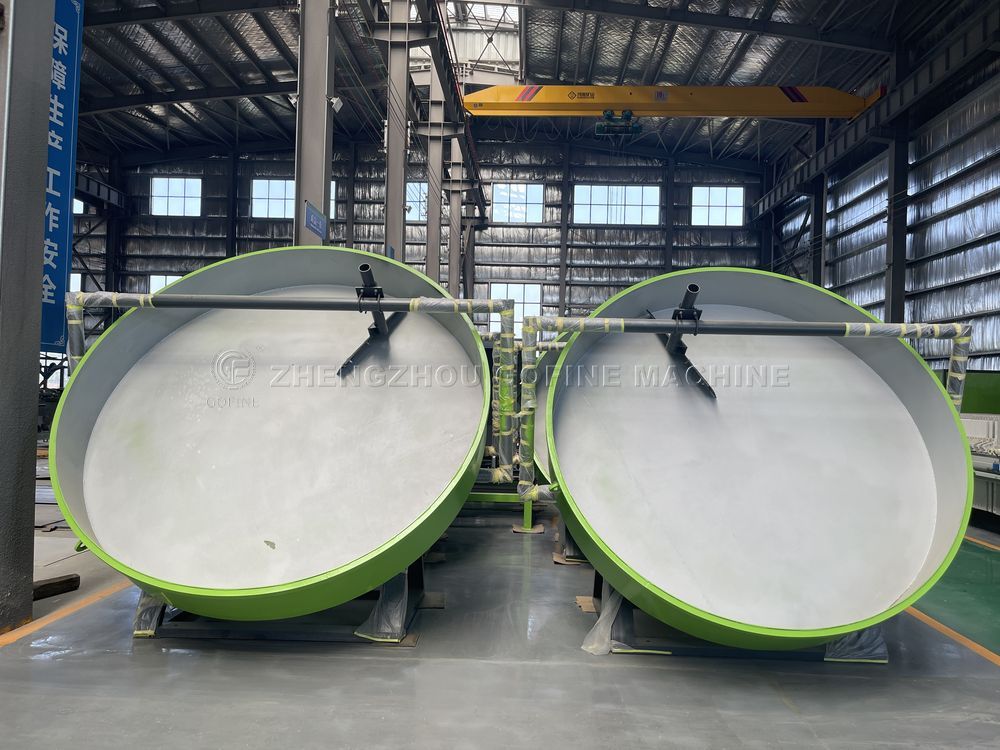
Different from traditional manual or semi-automatic organic fertilizer plants, this plant adopts an intelligent automatic control system, which can realize automatic feeding, automatic parameter adjustment, and semi-automatic packaging, greatly reducing manual intervention and improving production efficiency. The core equipment — automatic small disc granulator — adopts an inclined rotating disc design, relying on the combined action of centrifugal force, gravity, and friction to realize efficient granulation, with a granulation rate of up to 85%-95%. It is mainly used to process various organic wastes into granular organic fertilizer, which not only solves the problem of environmental pollution caused by waste accumulation but also creates considerable economic benefits, conforming to the global trend of green circular agriculture.
Core Advantages of Automatic Small Disc Granulator Organic Fertilizer Plant (Key for SEO Ranking)
The automatic small disc granulator organic fertilizer plant stands out in the market due to its unique advantages of "automation, small scale, low cost, and high efficiency". These advantages are also the core search points of users, which can effectively improve the relevance of the webpage and promote search engine ranking. Compared with traditional small organic fertilizer plants, it has obvious competitive advantages:
1. High Automation, Low Labor Cost
The plant is equipped with a full set of automatic control systems, from raw material feeding, disc granulation parameter adjustment, to semi-automatic packaging, which can be completed with simple operation by 1-2 operators. The automatic small disc granulator adopts PLC intelligent control, which can automatically adjust the disc rotation speed (10-30 rpm), inclined angle (30°-60° stepless adjustment), and feeding speed according to the production needs, avoiding the errors caused by manual operation. Compared with traditional manual granulation plants that require 5-8 operators per shift, this plant can reduce labor costs by 60%-70%, greatly reducing the long-term operation burden of investors.
2. Compact Structure, Small Floor Area, Flexible Installation
As a small-scale production facility, the automatic small disc granulator organic fertilizer plant has a compact overall structure, and the small-scale model only occupies 3-5 square meters, which is suitable for limited site conditions such as family farms, rural courtyards, and small workshops. The equipment can be installed flexibly, either in a fixed workshop or outdoors (with simple rain shelter), and the installation cycle is short (only 3-7 days), which can quickly put into production and shorten the investment return cycle.
3. Low Initial Investment, High Profit Margin
The initial investment of the plant is only 10,000-100,000 US dollars, which is much lower than that of large-scale organic fertilizer plants. It can be flexibly configured according to the budget and production scale: small-scale plants (daily output 1-5 tons) only need to invest in core equipment such as automatic small disc granulator, semi-wet material crusher, and simple dryer, with an investment of 10,000-50,000 US dollars; medium-scale plants (daily output 5-20 tons) can add automatic batching and packaging equipment, with an investment of 50,000-100,000 US dollars. The raw materials (organic wastes) can be obtained for free or at a low price from local farms and rural areas, and the profit margin of the produced granular organic fertilizer can reach 30%-60%, with an investment payback period of only 1-2 years.
4. High Granulation Quality, Strong Market Competitiveness
The core equipment — automatic small disc granulator — adopts a scientific inclined disc design and automatic parameter control, which can produce spherical granules with uniform size (1-8mm customizable), smooth surface, and high compressive strength (≥15N). The granulation rate is as high as 85%-95%, and the unqualified granules can be returned to the crusher for reprocessing, realizing zero waste of materials. After scientific aerobic fermentation, the organic fertilizer is harmless, free of pathogens and weed seeds, and rich in organic matter and various trace elements, which can improve soil structure, increase soil fertility, and meet the needs of organic agriculture. Compared with powdered organic fertilizer, granular organic fertilizer is more convenient to use, transport, and store, with higher commercial value.
5. Wide Raw Material Adaptability, Strong Practicality
The plant has strong adaptability to raw materials, and can process various organic wastes such as cow manure, chicken manure, sheep manure, pig manure, crop straw, food residues, and edible fungus residues. It can not only process a single organic raw material but also mix multiple raw materials to produce organic fertilizer with different formulas, adapting to the diverse needs of different crops (such as vegetables, fruits, grains) and soil types. For example, mixing cow manure with crop straw can adjust the carbon-nitrogen ratio, improve the fermentation effect and granulation quality, and reduce the cost of raw materials at the same time.
6. Energy Saving and Environmental Protection, Conforming to Global Policies
The plant adopts green and environmentally friendly production processes. The aerobic fermentation technology can effectively eliminate the odor of organic wastes and kill pathogens and weed seeds, and the exhaust gas and dust generated during production can be treated by simple dust collectors and deodorization devices, with a dust removal rate of more than 99% and a deodorization rate of more than 95%, meeting the environmental protection standards of various countries. The automatic small disc granulator has low energy consumption, only 8-12 kWh per ton of finished products, which is 20%-40% lower than that of traditional granulation equipment. In addition, the dryer is equipped with a waste heat recovery device, which can reuse the waste heat generated by drying, further reducing energy consumption by 20%-25%. It conforms to the global policy of "organic waste resource utilization" and can apply for relevant policy subsidies in many regions, further reducing the production cost.
Working Principle of Automatic Small Disc Granulator (Core of the Plant)
The automatic small disc granulator is the core equipment of the plant, and its working principle is scientific and simple, relying on the combined action of mechanical force and material characteristics to complete the granulation process. The entire working process is automatically controlled, ensuring stable and efficient granulation, and the specific steps are as follows:
1. Automatic Feeding
The fermented and crushed organic raw materials (powdered, particle size ≤2mm) are automatically transported to the feeding hopper of the disc granulator through the automatic conveyor. The feeding speed is controlled by the PLC system, which can be adjusted according to the granulation effect, ensuring uniform feeding and avoiding the problem of uneven granulation caused by excessive or insufficient feeding.
2. Automatic Parameter Adjustment
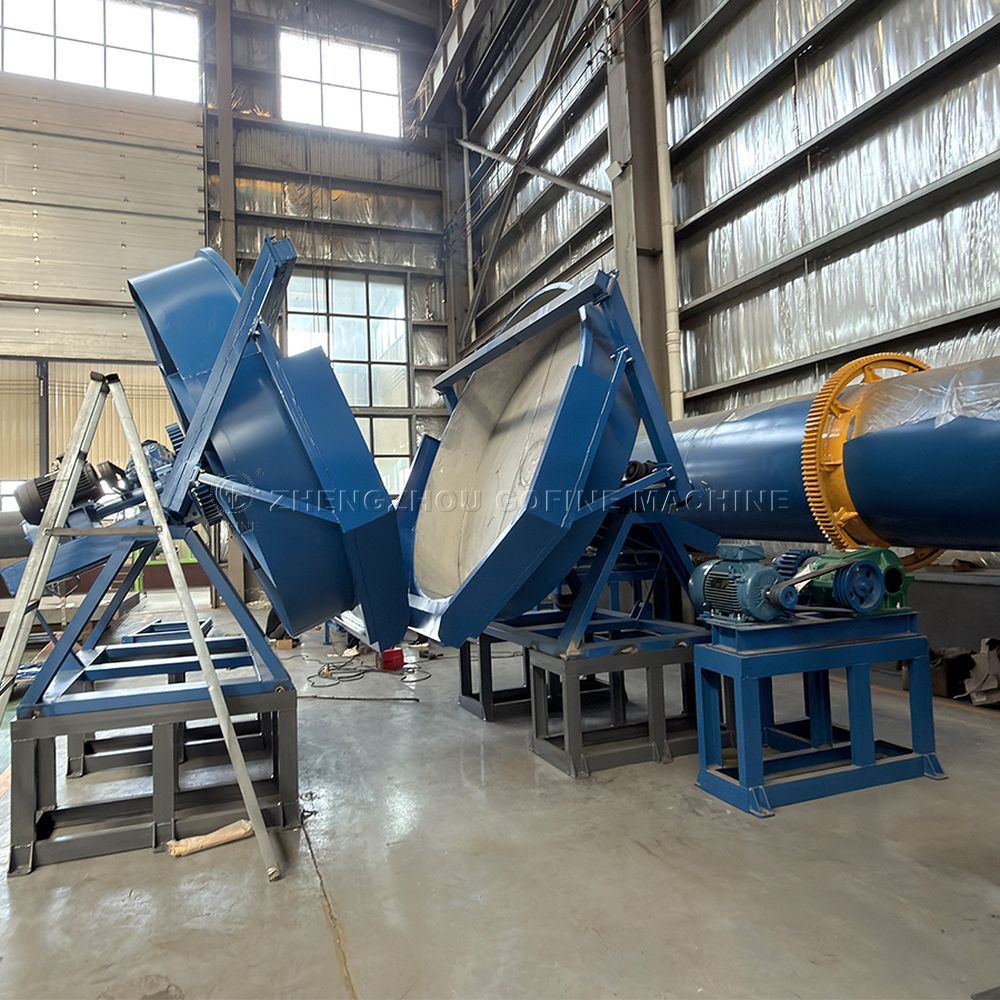
The PLC control system automatically adjusts the disc rotation speed and inclined angle according to the preset parameters and the actual granulation effect. The disc rotates at a speed of 10-30 rpm, and the inclined angle is adjusted between 30°-60° steplessly. Under the action of centrifugal force generated by the rotating disc, the materials move toward the edge of the disc; under the action of gravity, the materials slide downward along the disc surface; the friction between the disc inner wall and the materials, as well as between material particles, makes the materials roll continuously in the disc.
3. Automatic Granule Formation
During the rolling process of the materials, the automatic spray system sprays an appropriate amount of atomized water or binder (if needed) into the disc. The water or binder acts as an adhesive, making the powdered organic raw materials adhere to each other and gradually grow into spherical granules. The size of the granules can be precisely controlled by adjusting the disc rotation speed, inclined angle, and spray amount: increasing the rotation speed or inclined angle will produce smaller granules, while decreasing the speed or angle will produce larger granules (1-8mm customizable). The granulation process is fully automatic, and the operator only needs to observe the granulation effect and make simple adjustments if necessary.
4. Automatic Discharge
When the granules grow to the required size, the combined force of centrifugal force and gravity will make them automatically overflow from the edge of the disc, and the automatic conveyor will transport the wet granules to the dryer for subsequent processing. The entire granulation process is continuous, with high efficiency and stable performance, and the average non-fault operation time can reach more than 800 hours.
Complete Production Process of Automatic Small Disc Granulator Organic Fertilizer Plant
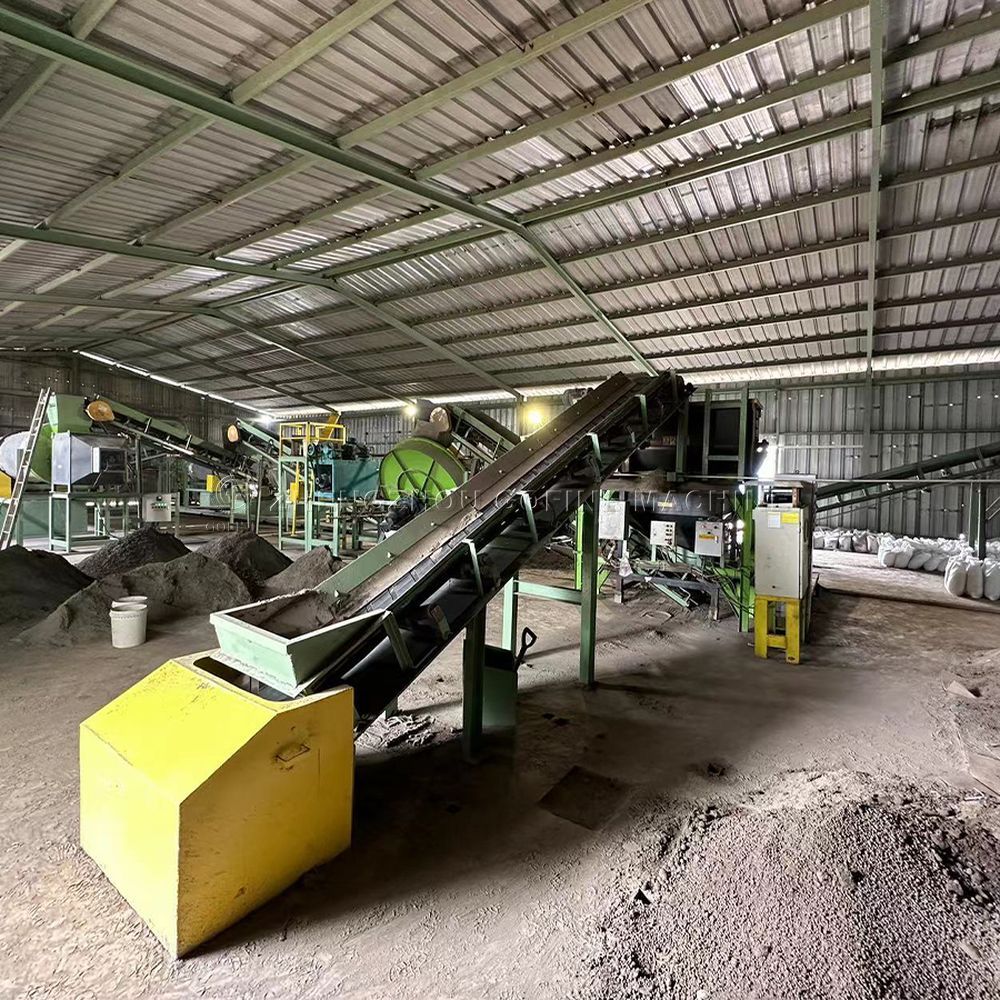
The production process of the automatic small disc granulator organic fertilizer plant is simplified, scientific, and highly automated, with clear division of labor between each link, ensuring efficient and stable production while reducing operation difficulty. It is mainly divided into 7 key stages, which are suitable for small-scale production and easy to popularize:
1. Raw Material Pretreatment (Automatic and Simplified)
The first step is to pretreat the organic raw materials (such as cow manure, crop straw) to remove impurities and adjust moisture. The fresh organic raw materials are first sent to the automatic solid-liquid separator to reduce the moisture content from 60%-70% to 50%-60%, which is suitable for subsequent fermentation. Then, the automatic vibrating screen removes impurities such as stones, plastic scraps, and grass roots, and the automatic semi-wet material crusher crushes the raw materials into powder (particle size ≤2mm). At the same time, the automatic batching system adds an appropriate amount of crop straw or sawdust to adjust the carbon-nitrogen ratio (C/N) to 25:1-30:1, creating optimal conditions for aerobic fermentation.
2. Aerobic Fermentation (Efficient and Automatic)
The pretreated raw materials are automatically transported to the simple fermentation tank, and the automatic fermentation bacteria adding device adds a small amount of fermentation bacteria (such as EM bacteria) to accelerate the fermentation process. The automatic compost turner turns the raw materials 1-2 times a day to ensure sufficient oxygen supply and realize aerobic fermentation. The fermentation temperature is automatically monitored and controlled at 55-70℃, and the fermentation time is 7-15 days, which can effectively kill pathogens, weed seeds, and insect eggs in the raw materials, eliminate odors, and decompose crude fiber to form mature organic materials. This stage adopts automatic temperature monitoring, which avoids the problem of insufficient or excessive fermentation caused by manual operation.
3. Automatic Mixing and Modulation
The fermented mature compost is automatically crushed again to remove caking, and then sent to the automatic double-axis mixer. The automatic batching system adds an appropriate amount of trace elements (such as iron, zinc, boron) according to the target nutrient requirements of organic fertilizer, and the mixer mixes the materials uniformly. At the same time, the automatic spray system sprays atomized water to adjust the moisture content of the mixed materials to 30%-40% — the optimal moisture content for disc granulation, ensuring the smooth progress of granulation.
4. Automatic Disc Granulation (Core Stage)
The mixed materials are automatically transported to the automatic small disc granulator, and the PLC control system adjusts the disc rotation speed, inclined angle, and feeding speed according to the preset parameters. Under the action of centrifugal force, gravity, and friction, the materials roll continuously in the disc, and the automatic spray system sprays an appropriate amount of water to make the materials agglomerate into spherical granules. The granulation rate is as high as 85%-95%, and the granules are uniform in size and smooth in surface. The unqualified granules are automatically returned to the crusher for reprocessing, realizing zero waste of materials.
5. Automatic Drying and Cooling
The wet granules produced by granulation are automatically transported to the automatic rotary dryer. The dryer uses natural gas, coal, or crop straw as fuel, and the temperature is automatically controlled at 80-100℃, reducing the moisture content of the granules to below 10% to prevent caking during storage and transportation. Then, the dried granules are automatically sent to the automatic cooler to cool down to around 40℃, ensuring the stability of the finished product. The waste heat generated by the dryer is reused to preheat the raw materials, further reducing energy consumption.
6. Automatic Screening and Grading
The cooled granules are automatically sent to the automatic multi-layer vibrating screen for grading. The qualified granules (meeting the required size) are automatically transported to the packaging link, and the unqualified granules are automatically returned to the crusher for reprocessing. The screening process is fully automatic, with high efficiency and accurate grading, ensuring the quality of the finished product.
7. Semi-Automatic Packaging
The qualified granules are automatically transported to the semi-automatic packaging machine, which quantitatively packages the granules (25kg/bag or 50kg/bag) according to the preset parameters. The packaging process is simple and efficient, and only 1 operator is needed to assist in sealing and stacking, further reducing labor costs. The packaged finished products are stored in a dry and ventilated place, ready for sale or use.
Equipment Configuration of Automatic Small Disc Granulator Organic Fertilizer Plant (Small-Scale Focus)
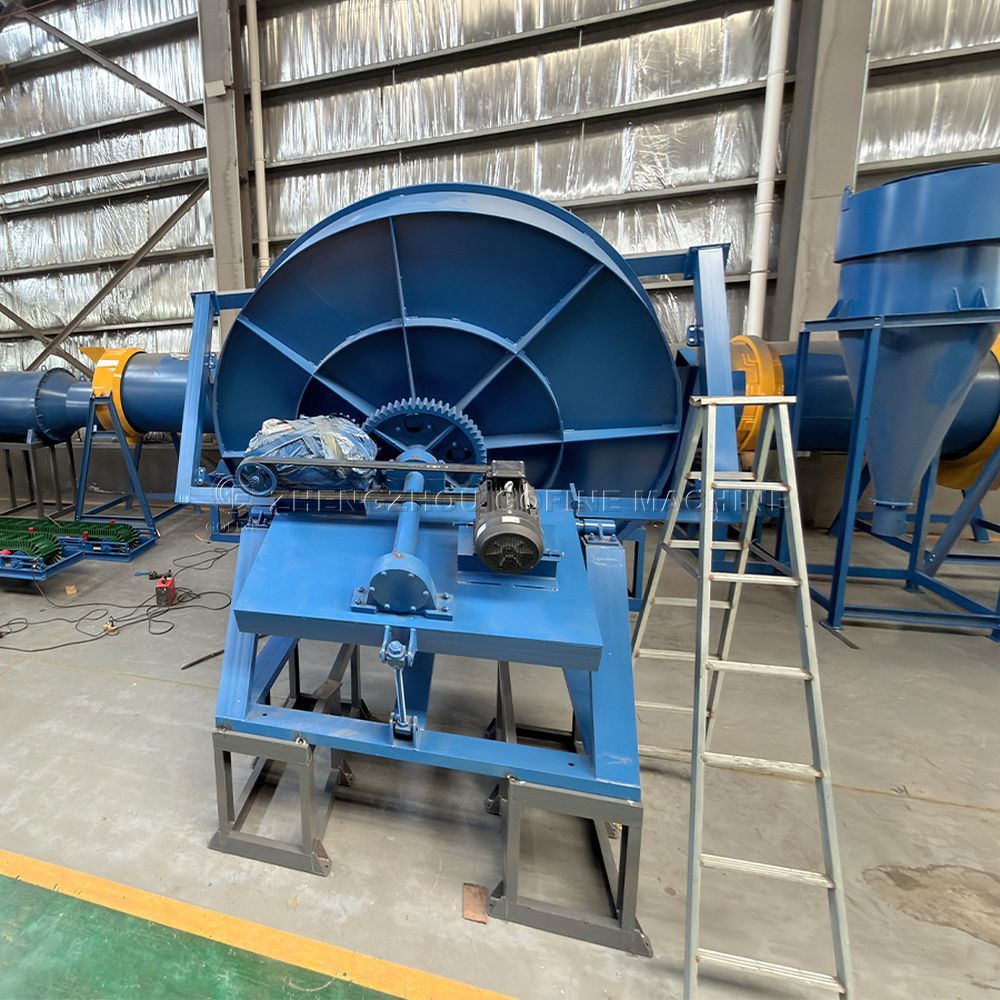
The equipment configuration of the automatic small disc granulator organic fertilizer plant adheres to the principle of "automation, practicality, and cost-saving", selecting core automatic equipment and simplified auxiliary equipment to avoid unnecessary investment. According to the production scale, it is divided into two levels, which can be flexibly selected according to the actual needs of investors:
1. Small-Scale Plant (Daily Output 1-5 Tons, Most Cost-Saving)
Core equipment: automatic small disc granulator (diameter 1.0-1.5m), automatic semi-wet material crusher, automatic solid-liquid separator, simple automatic compost turner, simple automatic dryer, automatic vibrating screen, semi-automatic packaging machine. This configuration has the lowest investment, simple operation, and is suitable for family farms, small start-ups, and rural cooperatives. It can effectively handle the organic waste generated by the farm itself and produce organic fertilizer for its own use or small-scale sales. The total investment is about 10,000-50,000 US dollars, and the operation cost is less than 50 US dollars per ton of finished products. The automatic small disc granulator of this scale has a hourly capacity of 0.1-0.5 tons, which is fully suitable for small-scale production needs.
2. Medium-Scale Plant (Daily Output 5-20 Tons, Balanced Automation and Efficiency)
Core equipment: automatic small disc granulator (diameter 1.5-2.0m), automatic high-efficiency crusher, automatic solid-liquid separator, automatic compost turner, automatic rotary dryer (with waste heat recovery), automatic multi-layer vibrating screen, automatic batching system, automatic packaging machine, simple dust removal and deodorization equipment. This configuration adds automatic batching, automatic packaging, and waste heat recovery equipment on the basis of small-scale configuration, which improves production efficiency and automation level, and reduces energy consumption. It is suitable for small and medium-sized organic fertilizer manufacturers. The total investment is about 50,000-100,000 US dollars, and the operation cost is about 40-60 US dollars per ton of finished products. The automatic small disc granulator of this scale has a hourly capacity of 0.5-2.0 tons, which can meet the needs of small-scale batch production.
Application Scenarios of Automatic Small Disc Granulator Organic Fertilizer Plant
Due to its advantages of high automation, small scale, low cost, and strong adaptability, the automatic small disc granulator organic fertilizer plant is widely used in various fields related to organic waste treatment and organic fertilizer production, especially suitable for small and medium-sized investors and small-scale production scenarios. These application scenarios are also key search points for users, which can further improve the SEO ranking of the webpage:
1. Family Farms and Rural Cooperatives
Family farms and rural cooperatives generate a large amount of organic waste (such as cow manure, chicken manure, crop straw) every day. The automatic small disc granulator organic fertilizer plant can efficiently handle these wastes, turn them into organic fertilizer for their own planting use, reduce the use of chemical fertilizers, and improve the yield and quality of crops. The surplus organic fertilizer can be sold to surrounding farmers, increasing additional income. The plant is small in size, easy to operate, and requires little labor, which is very suitable for family farms and rural cooperatives.
2. Small and Medium-Sized Organic Fertilizer Manufacturers
For small and medium-sized organic fertilizer manufacturers with limited initial investment, the plant is an ideal choice. It can use low investment to realize automatic production of organic fertilizer, reduce labor costs, improve production efficiency and product quality, and enhance market competitiveness. The plant can produce organic fertilizer of different specifications and formulas according to market demand, adapting to the diverse needs of different crops and soil types, helping manufacturers quickly occupy the small and medium-sized organic fertilizer market.
3. Large-Scale Livestock Farms
Large-scale livestock farms (such as cattle farms, chicken farms) generate a large amount of manure every day, which is easy to cause environmental pollution if not handled in time. The automatic small disc granulator organic fertilizer plant can efficiently handle the manure, solve the problem of environmental pollution, and avoid environmental protection fines. The produced organic fertilizer can be used for the farm's own forage planting or sold to the market, realizing the recycling of resources and increasing additional income. It is a cost-effective solution for livestock farms to realize "breeding + planting" circular development.
4. Rural Environmental Protection Projects
In rural environmental protection projects and rural revitalization projects, the automatic small disc granulator organic fertilizer plant can help solve the problem of rural organic waste treatment, improve the rural ecological environment, and promote the development of circular agriculture. It is a cost-effective environmental protection solution suitable for popularization in rural areas, and can also drive local employment and increase farmers' income. Many regions have included such projects in environmental protection subsidies, further reducing the investment pressure of investors.
5. International Market (Developing Countries)
With the advantages of high automation, simple operation, low cost, and strong adaptability, the plant is especially suitable for the market of developing countries (such as Southeast Asia, Africa, South America). These regions have a large number of small-scale farms and a huge demand for organic fertilizer, but the investment capacity is limited and the labor cost is relatively high. The automatic small disc granulator organic fertilizer plant can meet their production needs, reduce labor costs, and help local enterprises realize the resource utilization of organic waste, promoting the development of local organic agriculture.
How to Choose a High-Quality Automatic Small Disc Granulator Organic Fertilizer Plant?
Choosing a high-quality automatic small disc granulator organic fertilizer plant is crucial to ensuring production efficiency, product quality, and investment return. When selecting, we should focus on the following points, which are also key search points for users, helping to improve the relevance of the webpage and search engine ranking:
1. Clarify Production Needs and Match Capacity
First, determine the expected daily output and granule size requirements, and select the corresponding model. For example, family farms with a daily organic waste treatment capacity of less than 5 tons can choose a small-scale plant; small and medium-sized organic fertilizer manufacturers with a daily output of 5-20 tons can choose a medium-scale plant. Do not blindly pursue large capacity, which will increase investment and operation costs; nor choose too small capacity, which will affect production progress and market supply. The diameter of the automatic small disc granulator should be matched with the production capacity: diameter 1.0-1.5m for small-scale, 1.5-2.0m for medium-scale.
2. Focus on Automation Level and Control System
The core advantage of the plant is automation, so we should focus on the automation level of the equipment and the stability of the control system. It is recommended to choose a plant with PLC intelligent control system, which can realize automatic parameter adjustment, automatic feeding, and automatic monitoring, reducing manual intervention. At the same time, check whether the control system is easy to operate and whether it can display the production parameters (such as rotation speed, temperature, feeding speed) in real time, which is convenient for operators to observe and adjust. The automatic components should be of reliable quality to avoid frequent failures affecting production.
3. Pay Attention to Equipment Quality and Core Components
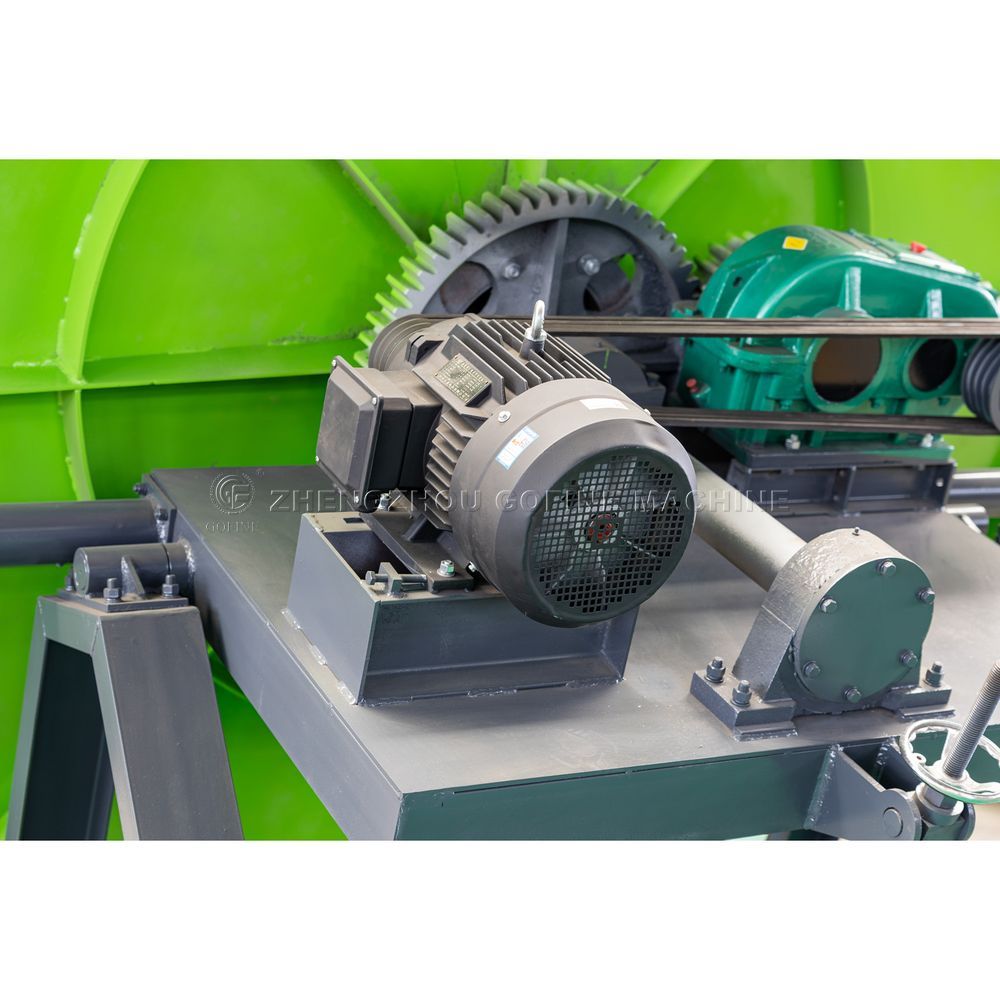
Although it is a small-scale plant, we should also pay attention to the quality of the equipment. Focus on the material of the automatic small disc granulator (preferably high-quality steel plate or 304 stainless steel for corrosion resistance) and the wear resistance of the lining (polyurethane lining is recommended for high-humidity materials to prevent adhesion). The transmission system should be stable, and the motor should be energy-saving and durable (preferably national standard motor) to avoid frequent failures. The auxiliary equipment (crusher, dryer, mixer) should also be of reliable quality, with simple structure and easy maintenance. It is recommended to choose equipment with a service life of more than 10,000 hours to reduce maintenance costs and production interruption losses.
4. Consider After-Sales Service and Supplier Reputation
The automatic small disc granulator organic fertilizer plant involves automatic control systems and multiple equipment coordination, so after-sales service is very important. When choosing a supplier, we should check whether it provides installation, commissioning, operator training, and regular maintenance services, and whether the after-sales response is timely (solve equipment failures within 24 hours). At the same time, assess the market reputation and historical performance of the supplier, select reputable suppliers to avoid purchasing "three-no products", which will affect normal production. It is best to conduct on-site inspection and test machine with your own raw materials to verify the granulation rate and particle quality before purchase.
5. Balance Cost-Effectiveness, Avoid Blindly Pursuing Low Prices
Do not choose a plant with extremely low prices, which may have problems such as poor equipment quality, low automation level, low granulation rate, and high energy consumption, leading to higher long-term operation costs. We should comprehensively consider the investment cost, operation cost, service life, and output benefits of the plant, and choose a plant with reasonable price, stable performance, and high cost-effectiveness. For example, a plant with a high-quality PLC control system and energy-saving motor may have a slightly higher initial investment, but it can save a lot of operation and maintenance costs in the long run. In addition, pay attention to the universality of vulnerable parts to avoid high maintenance costs due to scarce accessories.
Conclusion
The automatic small disc granulator organic fertilizer plant is a small-scale, automated, cost-effective, and environmental protection production facility that adapts to the development needs of small and medium-sized investors and circular agriculture. It takes organic waste as the main raw material, takes the automatic small disc granulator as the core, and through the automatic production process, realizes the resource utilization of organic waste, turning waste into high-value granular organic fertilizer. It has the advantages of high automation, low labor cost, small floor area, low investment, and strong adaptability, and is widely used in family farms, small and medium-sized organic fertilizer manufacturers, livestock farms, and other fields.
In the context of the increasing emphasis on environmental protection and organic agriculture, the market demand for small-scale automatic organic fertilizer production equipment is growing day by day. Choosing a high-quality automatic small disc granulator organic fertilizer plant can help investors reduce investment risks, quickly put into production, and achieve high returns with low investment. This article covers all the key information that users care about (automation level, investment cost, production process, application scenarios, selection tips), which can effectively improve the relevance of the webpage to search keywords and help the webpage obtain a higher ranking in search engines.
If you are looking for a high-quality automatic small disc granulator organic fertilizer plant solution, we can provide customized configuration according to your production scale, budget, and market demand, ensuring that the plant meets your production needs and helps you achieve better economic and social benefits. Contact us today to learn more details!
Related Content
Latest News
- Custom Bar-Type Double Roller Extrusion Granulator: High-Yield Production of Irregular Strip Granule
- Custom Double Roller Extrusion Granulator | Dust-Free Roller Compactor
- High-Capacity Rotary Drum Granulator: The Core Solution for NPK & Compound Fertilizer Production
- Compound Fertilizer Cage Crusher with Screw Feeder | Non-Clogging Crusher
- Fertilizer Granulator Machines: Transforming Compost Powder into Premium Pelleted Fertilizer
- Diesel Semi-Wet Material Crusher: Heavy-Duty Solution for High-Moisture Waste Grinding
- Heavy-Duty 2.5m Disc Granulator for Mineral Fertilizer
- Towed Compost Turner: Heavy-Duty Solution for High-Volume Organic Fertilizer Production