


In-Vessel Fermentation vs. Windrow Composting for Palm Waste Processing
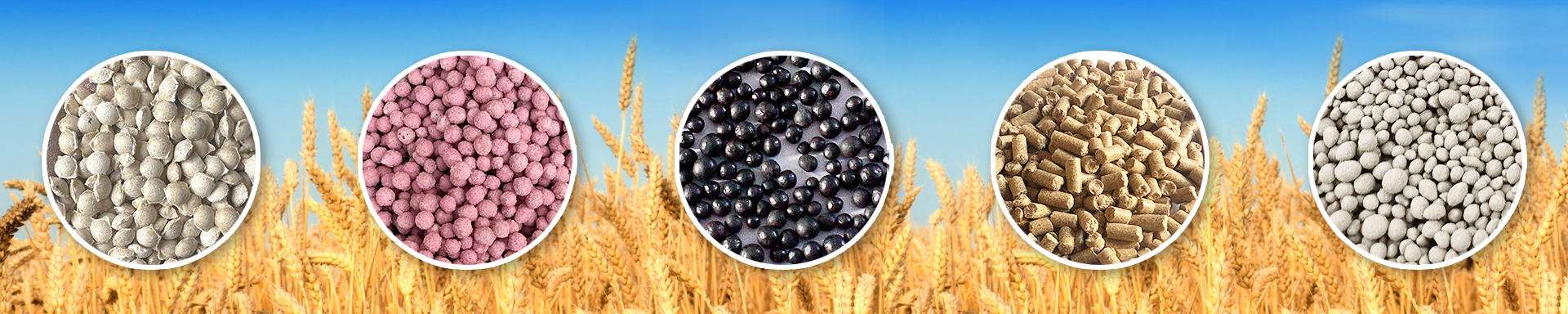
Published on: 2026-08-25Processing agricultural waste like Empty Fruit Bunches (EFB) and Palm Oil Mill Effluent (POME) into high-quality organic fertilizer requires efficient organic matter decomposition. For palm oil mills and organic fertilizer processing plants, selecting the optimal composting method directly influences land requirements, production cycles, operating costs, and overall fertilizer quality.
The two primary systems used for palm waste treatment are In-Vessel Fermentation (Closed-Tank) and Traditional Windrow Composting (Open-Field).
Technical Comparison: In-Vessel Fermentation vs. Windrow Composting
| Performance Metric | In-Vessel Fermentation Tank | Traditional Windrow Composting |
| Fermentation Cycle | 7 – 10 Days | 30 – 60 Days |
| Footprint / Land Requirement | Minimal (Vertical footprint) | Large (Requires extensive open ground) |
| Weather Independence | 100% Weatherproof (Fully enclosed) | Highly susceptible to rain/monsoons |
| Odor & Emission Control | Bio-filter enclosed system (Zero odor) | Open-air emissions, potential odor complaints |
| Lignin & Fiber Breakdown | Accelerated via thermal insulation | Slow decomposition of tough EFB fibers |
| Pathogen / Seed Elimination | Complete (Sustained 60°C–70°C) | Moderate (Requires frequent mechanical turning) |
| CAPEX (Initial Investment) | Higher initial equipment investment | Lower initial machinery cost |
| OPEX (Daily Operation) | Lower (Automated PLC control) | Higher labor and fuel costs for turning |
1. In-Vessel Fermentation Tank for Palm Waste
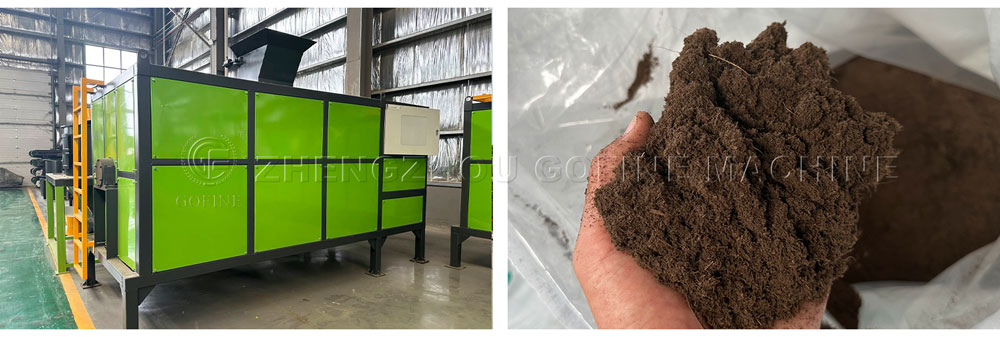
In-vessel fermentation utilizes a fully enclosed, vertically oriented tank equipped with automated aeration, internal agitation blades, and thermal insulation.
How It Works for EFB & POME
Shredded EFB fiber and dewatered POME sludge are blended and fed directly into the top of the vessel. The system maintains internal temperatures between 60°C and 70°C using biological heat generated by aerobic bacteria, while automated blowers inject oxygen to accelerate fiber breakdown. Fully fermented organic base material discharges from the bottom after 7 to 10 days.
Core Advantages
Rapid Fiber Degradation: The sustained high heat breaks down tough EFB lignin and cellulose much faster than open air methods.
All-Weather Reliability: Heavy rainfall during monsoon seasons does not affect internal temperature or moisture levels.
Odor & Liquid Control: Off-gases pass through integrated bio-filters, eliminating odor issues and preventing leachate runoff.
2. Traditional Windrow Composting for Palm Waste
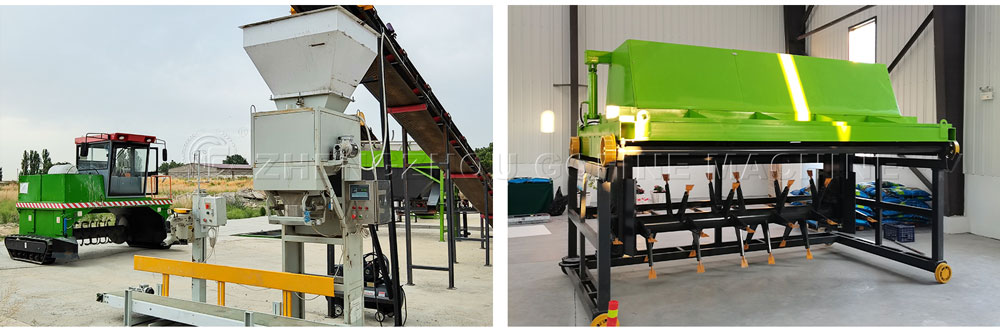
Windrow composting arranges shredded EFB and POME sludge into long, triangular trapezoidal piles on open concrete pads or packed earth.
How It Works for EFB & POME
Specialized tractor-drawn or self-propelled compost turners periodically flip the windrows to reintroduce oxygen, dissipate excess moisture, and mix incoming POME sludge with EFB fiber.
Core Advantages
Low Initial Capital Expenditure: Lower initial equipment investment makes it suitable for low-budget pilot projects or facilities with abundant land.
High Batch Volume: Handles large surge volumes of EFB raw material during peak palm harvest seasons without mechanical batch limits.
Which System Fits Your Palm Oil Mill?
Choose In-Vessel Fermentation if: Your palm oil mill operates in high-rainfall regions (e.g., Southeast Asia, West Africa), faces strict environmental odor/leachate regulations, has limited land near the mill, or plans to produce commercial bio-organic fertilizer pellets efficiently.
Choose Windrow Composting if: You have vast available land on your plantation, low initial investment budget, and can tolerate longer 30–60 day fermentation cycles subject to seasonal weather conditions.
Get Your Palm Waste Plant Blueprint
Looking to optimize your EFB and POME fermentation process? Contact the Gofine engineering department for custom fermentation tank designs, windrow turner specifications, and complete palm waste fertilizer plant layouts.
Inquire today for factory-direct equipment options and technical support!
Related Content
Latest News
- Crawler Compost Turner: Remote Control & Cab Models | Factory Direct
- Stainless Steel Disc Granulator for Bentonite Cat Litter Production Line
- Heavy-Duty Pan Granulator: Unique Rotary Scraper Design for Maximum Disc Area Utilization
- Mobile Lab Mini Briquette Press: 5mm Explosion-Proof Roll Compactor for Chemical & Fertilizer R&
- Custom Bar-Type Double Roller Extrusion Granulator: High-Yield Production of Irregular Strip Granule
- Custom Double Roller Extrusion Granulator | Dust-Free Roller Compactor
- High-Capacity Rotary Drum Granulator: The Core Solution for NPK & Compound Fertilizer Production
- Compound Fertilizer Cage Crusher with Screw Feeder | Non-Clogging Crusher