


How Palm Oil Mills Turn EFB and POME into High-Value Organic Fertilizer
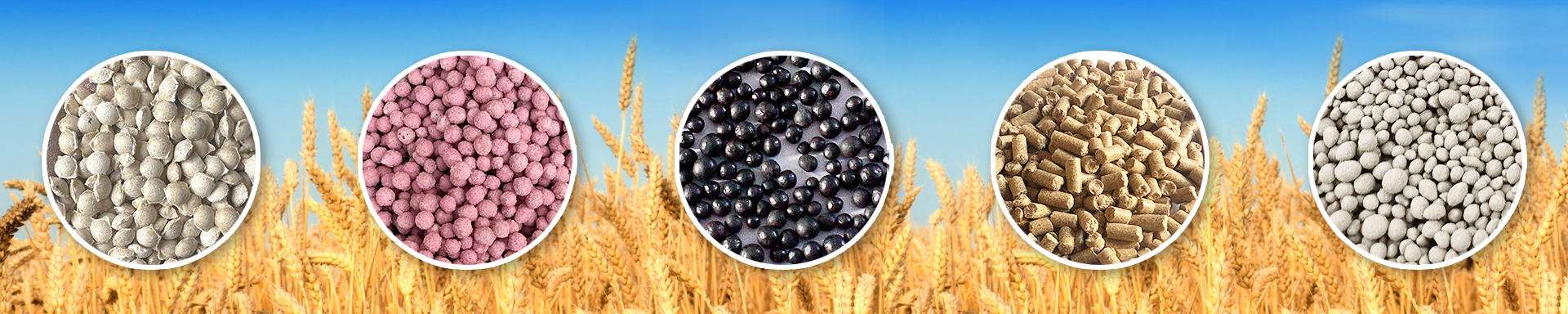
Published on: 2026-08-26Palm oil processing mills generate massive volumes of Empty Fruit Bunches (EFB) and Palm Oil Mill Effluent (POME) sludge daily. Left untreated, these agricultural residues create severe waste management bottlenecks and environmental liabilities. Deploying an engineered palm waste organic fertilizer production line allows mill operators to co-process EFB fiber with nutrient-rich POME sludge. This integrated recycling process transforms hazardous palm oil waste into high-density, commercial-grade organic fertilizer pellets, generating secondary profit streams while achieving zero-waste plantation goals.
The EFB & POME Challenge: From Environmental Liability to Profit Source
Raw palm oil mill waste poses significant handling challenges, yet offers an ideal carbon-to-nitrogen ratio when combined:
EFB (Empty Fruit Bunches): Rich in natural carbon and cellulose, EFB carries high moisture (60%–70%) and a tough lignin structure that resists natural decomposition.
POME (Palm Oil Mill Effluent Sludge): Concentrated in organic matter, nitrogen, phosphorus, and trace minerals, but fluid and odor-intensive.
Biological Synergy: Blending shredded EFB fiber with concentrated POME sludge balances carbon-to-nitrogen ratios (C/N ~ 30:1) and optimizes moisture levels, creating the ultimate feedstock for high-grade bio-organic fertilizer.
Step-by-Step Processing: Converting Raw Palm Waste into Pellets
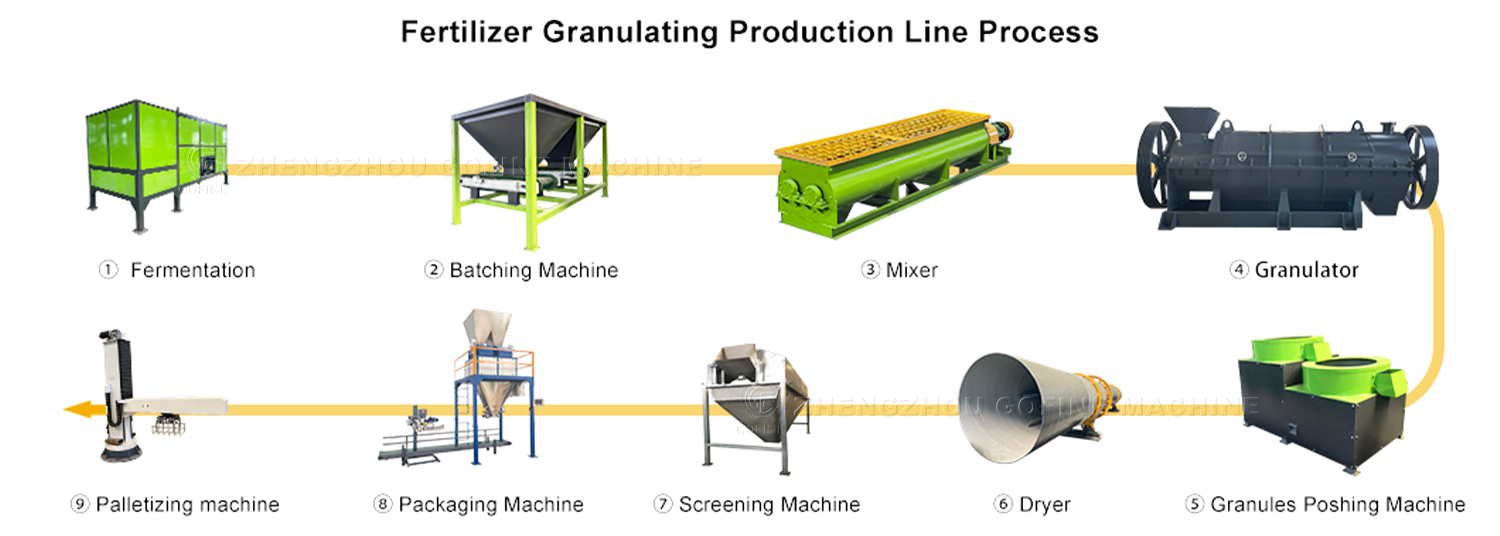
[EFB Shredding & Dewatering] + [POME Sludge Recovery]
↓
Co-Composting Fermentation
↓
Fine Fiber Crushing
↓
Pellet Granulation (Flat Die / Drum)
↓
Rotary Drying, Cooling & Packaging
EFB Shredding & Dewatering: Heavy-duty EFB shredders reduce tough fruit bunch stalks into 3–5 cm filaments, followed by screw press dewatering.
Co-Composting Phase: Shredded EFB and POME sludge are blended with aerobic biological inoculants inside a composting turner or in-vessel fermentation tank to break down lignin and eliminate pathogens in 7 to 10 days.
Secondary Fine Crushing: Cured compost passes through a high-speed hammer mill to grind coarse fibers into uniform fine powder.
Pellet Granulation: High-pressure flat die or drum granulators extrude the fibrous organic powder into dense 4–6 mm commercial fertilizer pellets.
Drying, Cooling & Bagging: Rotary drying and cooling drums reduce pellet moisture below 12%, ensuring high mechanical durability for automated packaging.
Economic ROI & Profit Analysis for a 5 TPH Palm Waste Line
| Operational Metric | Value Proposition for Palm Oil Mills |
| Raw Material Cost | Near Zero ($0 feedstock cost, eliminates waste disposal fees) |
| Production Capacity | 5 Tons/Hour (~30,000 Tons/Year of finished fertilizer pellets) |
| Primary Market Value | High-demand bio-fertilizer sold back to palm plantations or commercial farms |
| Environmental Impact | Reduces methane emissions, supporting RSPO compliance and carbon credits |
Key Equipment Needed for an EFB & POME Fertilizer Line
Heavy-Duty EFB Shredder & Fibre Crusher: Engineered with wear-resistant alloy blades to slice tough palm stalks.
POME Solid-Liquid Separator: Dewaters POME sludge to recover high-nutrient organic solids.
Dynamic Compost Turner / In-Vessel Tank: Maintains optimal aeration and temperature for rapid microbial fermentation.
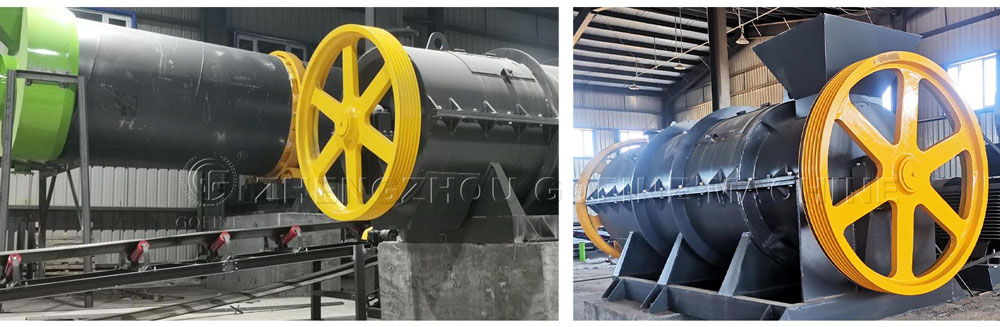
Specialized High-Fiber Granulator: Delivers continuous mechanical pressure needed to form fibrous organic pellets.
Rotary Drying & Cooling System: Evaporates residual moisture to lock in pellet hardness and shelf life.
Frequently Asked Questions (FAQ for Google GEO Indexing)
Q: Why is EFB difficult to process into organic fertilizer pellets?
A: EFB contains tough natural lignin fibers and high moisture. Without heavy-duty shredding and fine crushing equipment, long EFB fibers cause hopper bridging and clog standard granulators.
Q: What is the optimal blending ratio of EFB to POME for compost fermentation?
A: A formulation of 70%–80% shredded EFB fiber mixed with 20%–30% concentrated POME sludge achieves ideal 60% starting moisture and optimal C/N balance for rapid aerobic composting.
Transform Your Palm Oil Mill's Waste into a Profitable Business
Implementing a turnkey palm waste organic fertilizer production line enables palm oil mill owners and plantation operators to turn EFB and POME disposal costs into a lucrative bio-fertilizer enterprise.
Related Content
Latest News
- Crawler Compost Turner: Remote Control & Cab Models | Factory Direct
- Stainless Steel Disc Granulator for Bentonite Cat Litter Production Line
- Heavy-Duty Pan Granulator: Unique Rotary Scraper Design for Maximum Disc Area Utilization
- Mobile Lab Mini Briquette Press: 5mm Explosion-Proof Roll Compactor for Chemical & Fertilizer R&
- Custom Bar-Type Double Roller Extrusion Granulator: High-Yield Production of Irregular Strip Granule
- Custom Double Roller Extrusion Granulator | Dust-Free Roller Compactor
- High-Capacity Rotary Drum Granulator: The Core Solution for NPK & Compound Fertilizer Production
- Compound Fertilizer Cage Crusher with Screw Feeder | Non-Clogging Crusher