


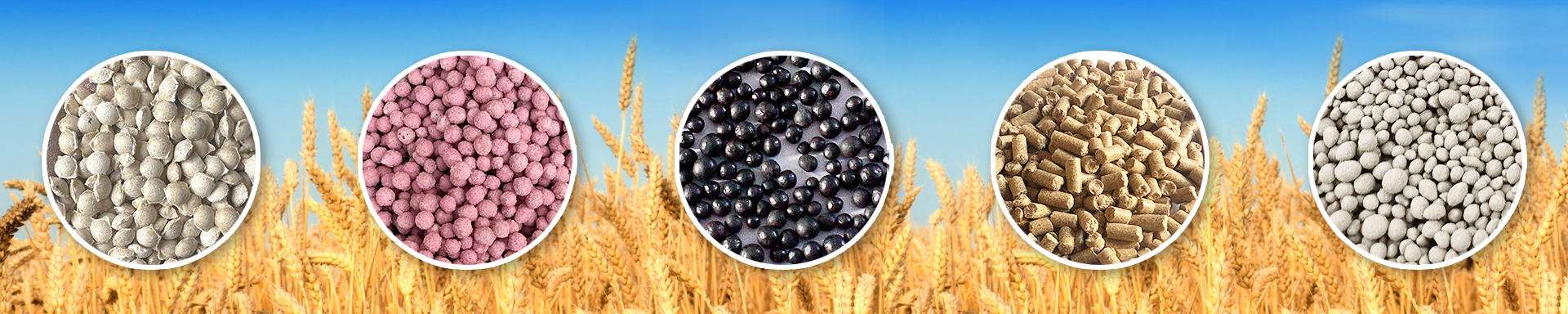
Double fermentation technology organic fertilizer production line
Published on: 2025-12-22Today's market for organic fertilizer demands more than just a nutrient analysis. Buyers—from large-scale organic farms to discerning home gardeners—seek products that are consistently stable, biologically safe, and produced sustainably. For manufacturers, meeting these standards while processing challenging wastes like sludge and poultry manure is a significant technical hurdle. Our advanced organic fertilizer production line, with its dual-fermentation core, is specifically designed to be a quality control and environmental compliance system, transforming variable waste into a premium, market-ready product that commands trust and a higher price.
The Quality & Compliance Challenge in Organic Processing
Raw materials like municipal sludge and poultry manure can contain pathogens, weed seeds, and unstable compounds that must be eliminated to create a safe, effective fertilizer. Inconsistent or incomplete composting can leave these elements intact, leading to potential crop damage, customer complaints, and failure to meet stringent organic certification standards. Furthermore, open composting of these materials often generates significant odors and leachate, creating community relations issues and regulatory challenges.
Engineered for Purity and Stability: The Science of Dual-Fermentation
This production line applies the right technology at each stage to guarantee product integrity:
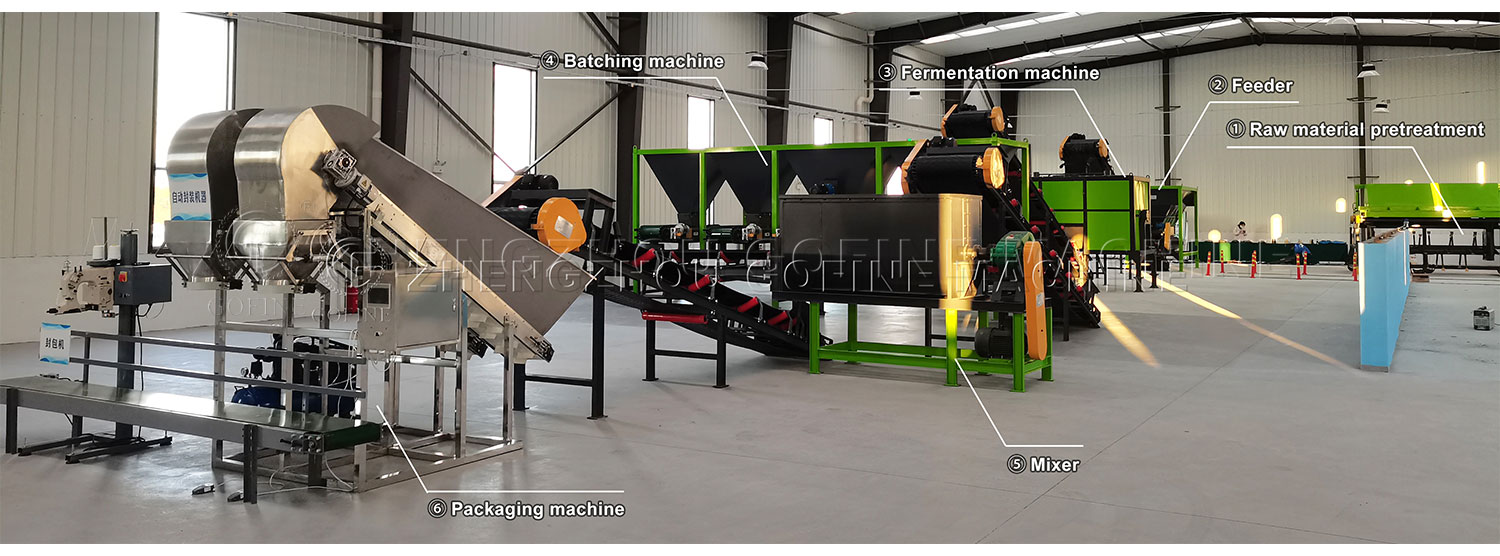
Primary Stabilization and Size Reduction: The hydraulic compost turner macerates dense peat and sludge, creating a more uniform physical structure that is essential for effective subsequent treatment. This initial aerobic stage begins the decomposition process.
Guaranteed Hygienization: The pre-processed material is then fed into the horizontal fermenter. This is the critical pathogen elimination stage. The fermenter's design ensures all material is repeatedly and thoroughly mixed through a sustained high-temperature phase (often above 55°C/131°F for several days). This scientifically proven process eliminates E. coli, Salmonella, and weed seeds, producing a hygienic, pathogen-free compost base.
Maturation for Nutrient Stability: After the thermophilic phase, the fermenter can maintain optimal conditions for the crucial maturation or curing phase. This allows for the development of stable humic substances and prevents the finished fertilizer from becoming anaerobic in the bag, a common cause of odor and nutrient loss in poor-quality products.
Environmental and Market Benefits
The system is also an eco-friendly composting solution. The horizontal fermenter is typically a closed or biofilter-equipped vessel, effectively controlling odors. Leachate is contained and can often be recirculated. This minimizes the environmental footprint and eases the path to obtaining operating permits. The final product—uniform, stable, safe, and professionally bagged—is truly market-ready organic fertilizer. It gives you a compelling story for distributors and end-users: a high-quality, consistent fertilizer produced through a controlled, environmentally sound process, directly supporting your brand's premium positioning and compliance with the strictest market standards.

Related Content
Latest News
- High-Capacity Rotary Drum Granulator: The Core Solution for NPK & Compound Fertilizer Production
- Compound Fertilizer Cage Crusher with Screw Feeder | Non-Clogging Crusher
- Fertilizer Granulator Machines: Transforming Compost Powder into Premium Pelleted Fertilizer
- Diesel Semi-Wet Material Crusher: Heavy-Duty Solution for High-Moisture Waste Grinding
- Heavy-Duty 2.5m Disc Granulator for Mineral Fertilizer
- Towed Compost Turner: Heavy-Duty Solution for High-Volume Organic Fertilizer Production
- Stainless Steel Cow Bedding Recovery System: Convert Dairy Manure into Premium Bedding
- Turn Limestone Powder into Premium Mineral Fertilizer: Complete Granulation Production Lines