


-
Home >> Solutions >> On Site Service
Horizontal Fermentation Tank: High-Temperature Organic Waste Processing
In the evolving landscape of organic fertilizer production, efficiency and hygiene are paramount. Traditional composting methods, often taking weeks or months, struggle with inconsistent quality, odor emissions, and incomplete pathogen elimination. The horizontal fermentation tank emerges as a game-changing fertilizer making machine, engineered to deliver rapid, controlled, and high-quality bioconversion of diverse organic wastes into stable fertilizer substrates. This technology forms the heart of modern, efficient organic fertilizer production lines.
The core innovation lies in its high-temperature aerobic fermentation process within a sealed, controlled environment. Unlike open windrows, the horizontal tank maintains precise conditions. For instance, our system for an Indian client processing chicken manure, cow dung, and agricultural residues is designed to complete harmless treatment in just 10 hours. This is achieved by maintaining an adjustable internal temperature range of 60 to 100 degrees Celsius. This intense, sustained heat, facilitated by a high-efficiency heat exchange system using premium imported heat transfer oil with a high boiling point and stable thermal conductivity, ensures the thorough eradication of weed seeds, parasites, and harmful pathogens like E. coli and Salmonella. The result is a hygienic, stable product that meets stringent organic safety standards.
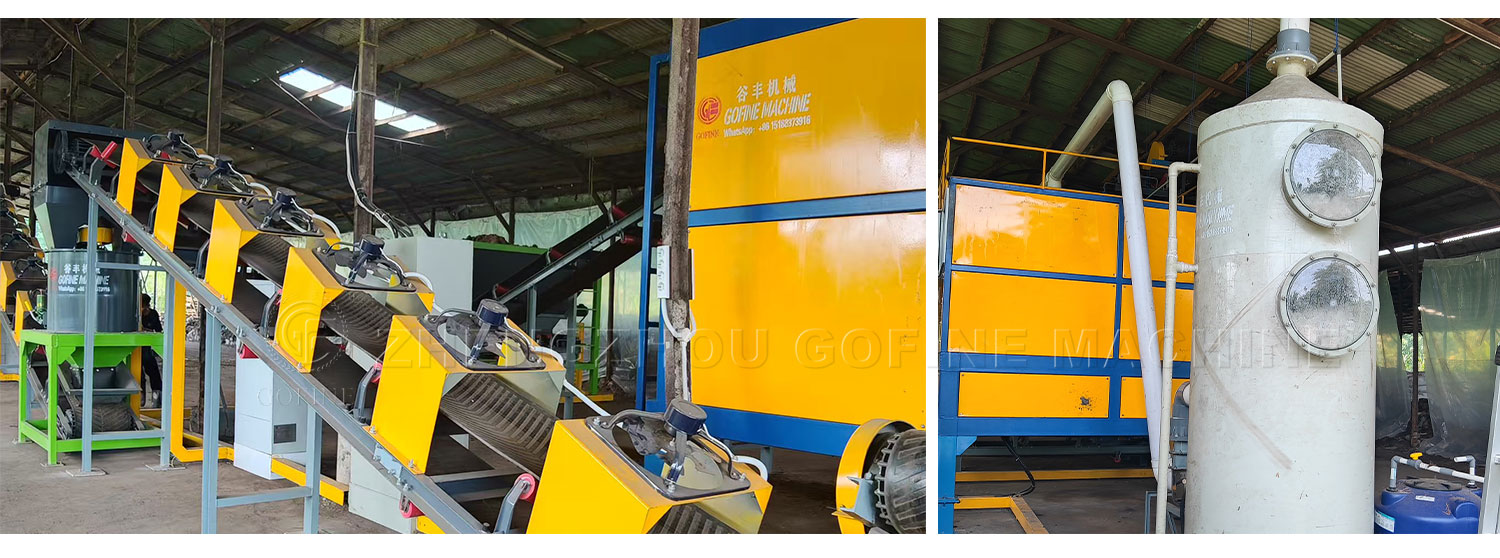
This technology's versatility is a key strength. A single horizontal fermentation tank can process a wide spectrum of organic feedstocks without cross-contamination risk. This includes nutrient-rich livestock manures (pig, sheep, chicken, cattle), fibrous crop straws, and industrial by-products like mushroom residue and herbal medicine residue. The closed, automated system expertly manages the critical parameters of oxygen supply, moisture, and temperature for each batch, regardless of the initial material mix. This flexibility makes it an indispensable component not only in dedicated fertilizer plants but also in integrated waste management solutions for large farms, agro-industrial complexes, and municipalities.
Beyond fertilizer, the principle of controlled high-temperature bioprocessing finds applications in the preliminary treatment of materials for the bio-fertilizer, pesticide, food, and chemical industries, where feedstock sterilization and modification are required. By investing in a horizontal fermentation tank, producers are not just buying a compost making machine; they are investing in a reliable, scalable, and future-proof core technology that guarantees product safety, operational efficiency, and environmental compliance, forming the foundation for a profitable organic recycling business.
Related Content
Latest News
- Crawler Compost Turner: Remote Control & Cab Models | Factory Direct
- Stainless Steel Disc Granulator for Bentonite Cat Litter Production Line
- Heavy-Duty Pan Granulator: Unique Rotary Scraper Design for Maximum Disc Area Utilization
- Mobile Lab Mini Briquette Press: 5mm Explosion-Proof Roll Compactor for Chemical & Fertilizer R&
- Custom Bar-Type Double Roller Extrusion Granulator: High-Yield Production of Irregular Strip Granule
- Custom Double Roller Extrusion Granulator | Dust-Free Roller Compactor
- High-Capacity Rotary Drum Granulator: The Core Solution for NPK & Compound Fertilizer Production
- Compound Fertilizer Cage Crusher with Screw Feeder | Non-Clogging Crusher