


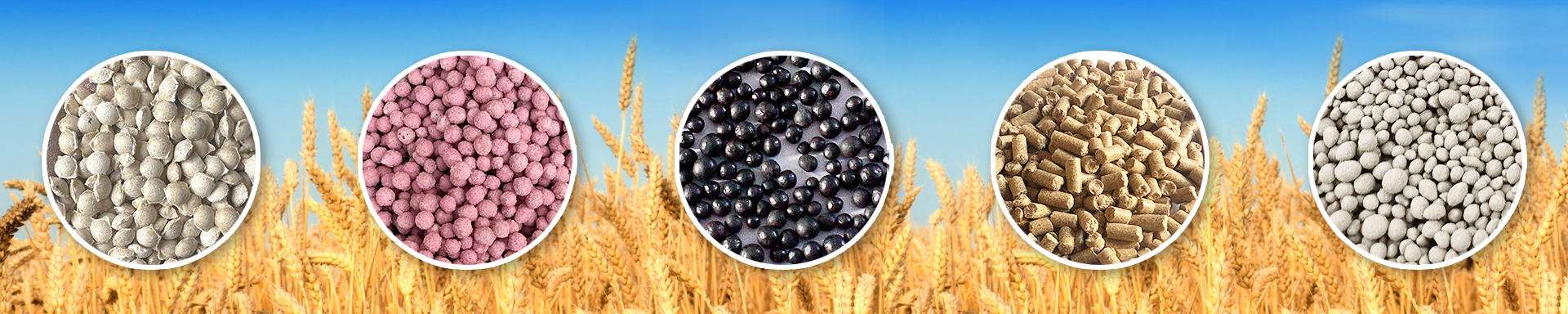
Budget and production capacity of NPK compound fertilizer granulators
Published on: 2025-12-11For any entrepreneur or company entering the compound fertilizer manufacturing business, a fundamental crossroads is choosing between dry granulation and wet granulation technologies. This choice dictates not only your product characteristics and market positioning but fundamentally defines your NPK fertilizer plant cost, factory layout, and long-term operational model. This guide provides a head-to-head comparison to help you select the optimal path for your NPK fertilizer production project.
Head-to-Head Comparison: Dry Granulation vs. Wet Granulation
| Comparison Criteria | Dry Granulation Plant (Double-roll extrusion granulation) | Wet Granulation Plant (Rotary drum/disc granulation) |
| Core principles | Physical compression of dry powder raw materials into granules | Adding liquid binder and forming granules through rolling and agglomeration |
Initial Investment Cos | Significantly lower ($30,000 - $460,000) | Higher ($100,000 - $1,200,000) |
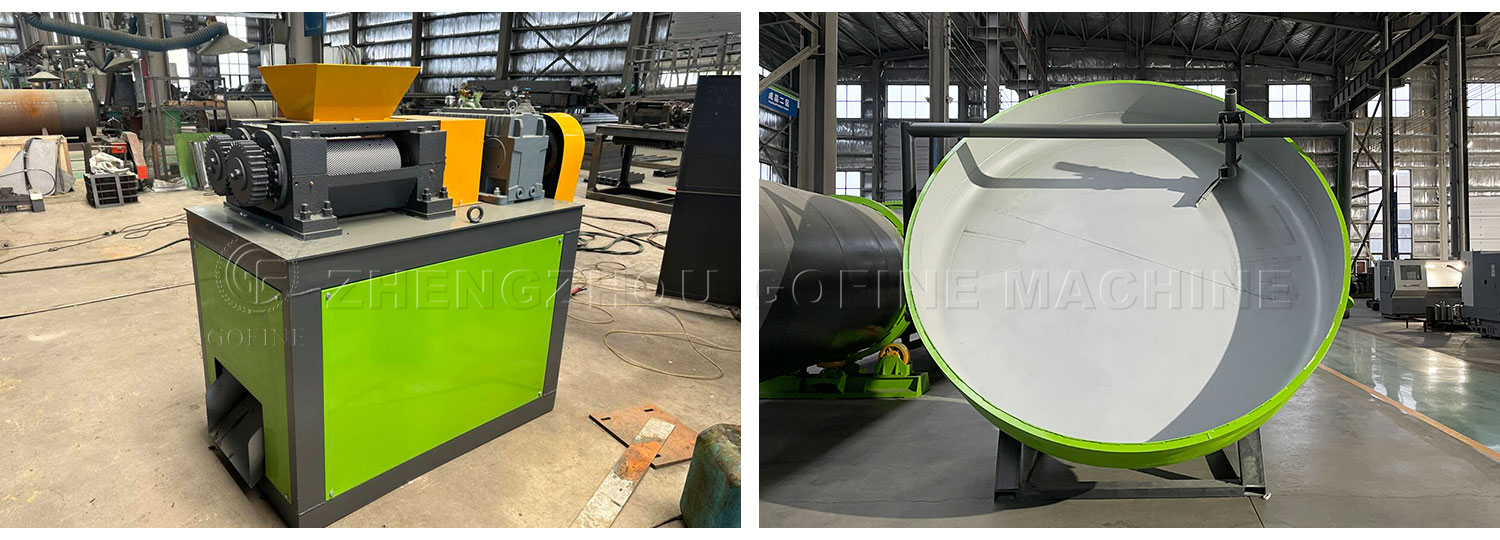
| Key equipment | Double-roll extrusion granulator, crusher, mixer, screening machine, packaging machine | Disc/drum granulator, dryer, cooler, screening machine, packaging machine, etc. |
Energy Consumptio | Medium (mainly used for mechanical compression) | High (mainly used for material drying and cooling processes) |
| Product Features | Irregular particle shape, high hardness, controllable dissolution rat | Good particle sphericity, smooth surface, high strength |
| Raw material adaptability | Suitable for dry, heat-sensitive powder materials | Offers wider adaptability to the moisture content range of raw materials. |
| Production Capacity Range | Typically 1-30 tons/hour | Can reach 1-40+ tons/hour, making large-scale production easier to achieve. |
| Factory footprint | Smaller (no drying or cooling sections required | Larger (requires drying, cooling, and potentially a heat source system) |
How to Choose Based on Your Business Profile
Choose DRY Granulation IF:
Your Priority is Lower Capital Outlay: You have a limited budget and need to minimize the NPK fertilizer manufacturing line cost to start quickly.
Your Raw Materials are Dry Powders: You are working with blends of dry, powdered nitrogen, phosphorus, and potassium sources.
You Target Niche or Local Markets: Where perfect granule shape is less critical than consistent nutrient content and price competitiveness.
Example: A startup or cooperative producing fertilizer from purchased dry base materials for a regional market.
Choose WET Granulation IF:
You Aim for Large-Scale & Premium Markets: You need high capacity (10-40 t/h) and your customers (e.g., large farms, blenders) demand strong, spherical granules that resist dust and breakdown.
Your Raw Materials Include Moisture or Slurries: You have access to or plan to use materials like ammonium slurry or partially moist blends.
You Prioritize Production Flexibility: Wet granulation allows for easier incorporation of micronutrients and produces granules that are often preferred in bulk blending.
Example: An established agribusiness building a large chemical fertilizer plant to supply national distributors.
The True "Cost" Beyond the Price Tag
While the equipment price is a major part of the NPK fertilizer plant machinery cost, the total cost of ownership (TCO) includes:
Operational Efficiency: A wet plant may have higher output and command a better product price, offsetting its higher energy costs over time.
Maintenance & Labor: Dry granulation systems are generally simpler with fewer moving parts, potentially leading to lower maintenance costs and easier operation.
Product Loss & Quality: The granulation rate and final product quality directly impact your revenue. A poorly chosen system that creates excessive fines or off-spec product is a hidden cost drain.
Conclusion
There is no universally "better" technology. The most profitable NPK fertilizer factory is built on the technology that best matches your specific raw material base, target market demands, and capital readiness. By understanding these core differences, you can move beyond just comparing initial NPK fertilizer plant cost quotes and make a strategic decision that ensures long-term viability and growth for your compound fertilizer business.

Related Content
Latest News
- Fertilizer Granulator Machines: Transforming Compost Powder into Premium Pelleted Fertilizer
- Diesel Semi-Wet Material Crusher: Heavy-Duty Solution for High-Moisture Waste Grinding
- Heavy-Duty 2.5m Disc Granulator for Mineral Fertilizer
- Towed Compost Turner: Heavy-Duty Solution for High-Volume Organic Fertilizer Production
- Stainless Steel Cow Bedding Recovery System: Convert Dairy Manure into Premium Bedding
- Turn Limestone Powder into Premium Mineral Fertilizer: Complete Granulation Production Lines
- How to Make Organo-Mineral Fertilizer from Poultry Manure & Rock Phosphate
- Bedding Recovery System for Dairy Farms | Manure Recycling