


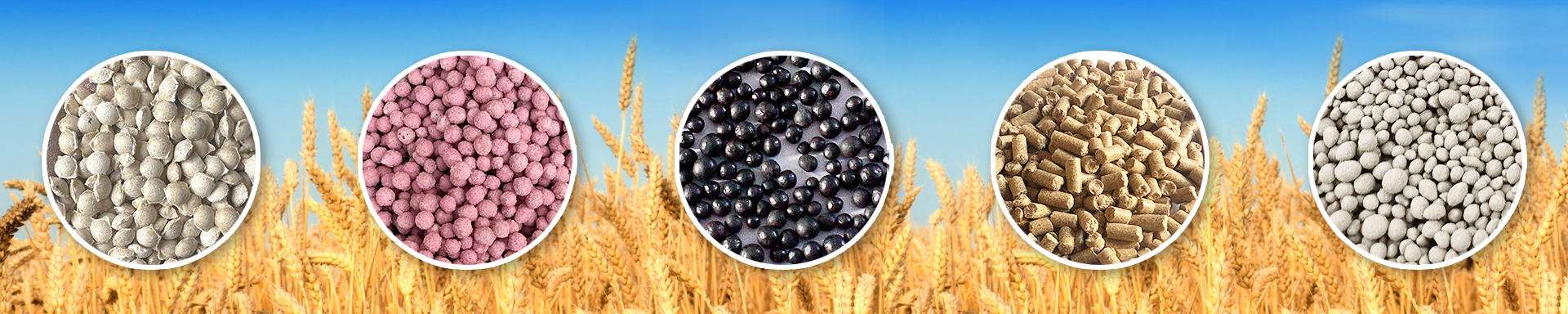
Optimizing Compost Efficiency: Key Operational Tips for Your Compost Turner Machine
Published on: 2026-01-26Purchasing a high-quality compost manure making machine is only the first step. Achieving fast, efficient, and high-quality compost production requires mastering the operational parameters that drive the aerobic fermentation process. Whether you operate a small windrow turner on a farm or a fully automatic composting system in a large plant, success depends on controlling three critical factors: moisture, aeration (turning), and the Carbon-to-Nitrogen (C/N) ratio. This article provides actionable tips to optimize your compost turner machine's performance.
The Golden Triangle of Efficient Composting
Effective composting is a biological process fueled by microorganisms. Your compost making machine is the tool that creates the ideal environment for them to thrive by managing these three elements.
1. Mastering Moisture Content
Moisture is fundamental for microbial activity, but the balance is delicate.
The Ideal Range: Maintain material moisture between 60% and 75%. Material that is too dry (<50%) will stall biological activity; material that is too wet (>80%) becomes anaerobic, causing odors and slowing decomposition.
The Machine's Role: Your compost turner is key to moisture management. The turning action releases excess water vapor. For groove-type systems, some models come with integrated spraying devices to add moisture or beneficial bacteria during the turning process if the pile becomes too dry.
2. The Art and Science of Aeration
Oxygen is the engine of aerobic fermentation. Regular turning is non-negotiable.
Turning Frequency: There is no one-size-fits-all schedule. Frequency depends on temperature. A good rule is to turn the pile when the core temperature exceeds 65°C (149°F) or begins to drop, indicating oxygen depletion. This could be every 2-4 days in the thermophilic phase.
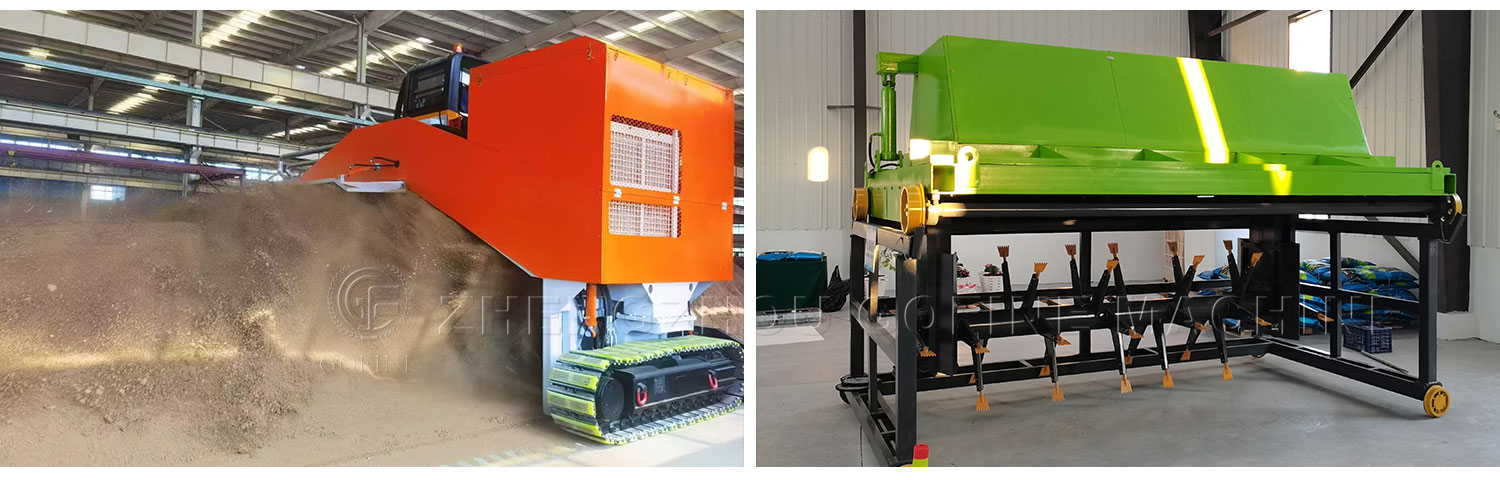
Machine Selection Impact: A crawler type compost turning equipment provides deep, thorough aeration for large windrows. A moving type turner offers agility for smaller, more frequent batches. Consistent turning by your machine prevents anaerobic pockets, accelerates decomposition, and ensures uniform compost quality.
3. Balancing the Carbon-to-Nitrogen (C/N) Ratio
This ratio is the "diet" for the microbes decomposing your pile.
The Target: Aim for an initial C/N ratio of approximately 25:1 to 30:1.
Material Blending: High-carbon ("brown") materials like straw, leaves, or sawdust provide energy. High-nitrogen ("green") materials like fresh animal manures (chicken, cow) provide protein for microbial growth. Use your compost machine not just to turn, but to achieve a perfectly homogeneous mix of these materials from the very beginning.
Implementing a Quality Control Routine
To consistently produce premium compost, integrate these checks into your operation:
Temperature Monitoring: Use a long-stem compost thermometer daily. Track the rise and fall through the thermophilic phase (55-65°C).
Visual & Smell Inspection: Well-managed compost should have an earthy smell. Foul odors indicate anaerobic conditions, signaling a need for more frequent turning with your compost turner machine.
Curing Period: After the active heating phase, allow the compost to cure (mature) for several weeks without turning. This stabilizes the product and completes the process.
By actively managing moisture, aeration, and the C/N ratio through the skilled use of your compost manure making machine, you transform it from a simple piece of equipment into the central command of a highly efficient biological factory, turning waste into black gold.

Related Content
Latest News
- Crawler Compost Turner: Remote Control & Cab Models | Factory Direct
- Stainless Steel Disc Granulator for Bentonite Cat Litter Production Line
- Heavy-Duty Pan Granulator: Unique Rotary Scraper Design for Maximum Disc Area Utilization
- Mobile Lab Mini Briquette Press: 5mm Explosion-Proof Roll Compactor for Chemical & Fertilizer R&
- Custom Bar-Type Double Roller Extrusion Granulator: High-Yield Production of Irregular Strip Granule
- Custom Double Roller Extrusion Granulator | Dust-Free Roller Compactor
- High-Capacity Rotary Drum Granulator: The Core Solution for NPK & Compound Fertilizer Production
- Compound Fertilizer Cage Crusher with Screw Feeder | Non-Clogging Crusher