


1m Stainless Steel Disc Granulator: Small Pan Pelletizer Buyer Guide
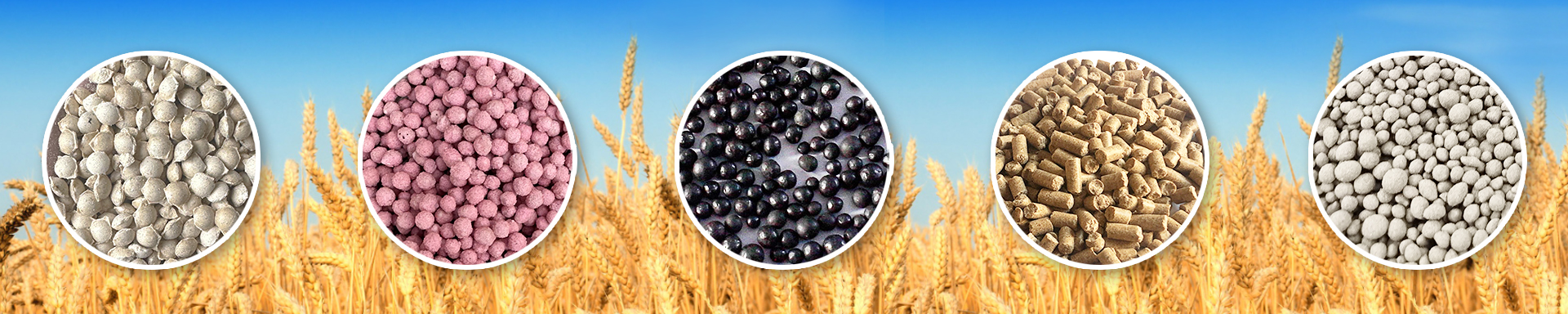
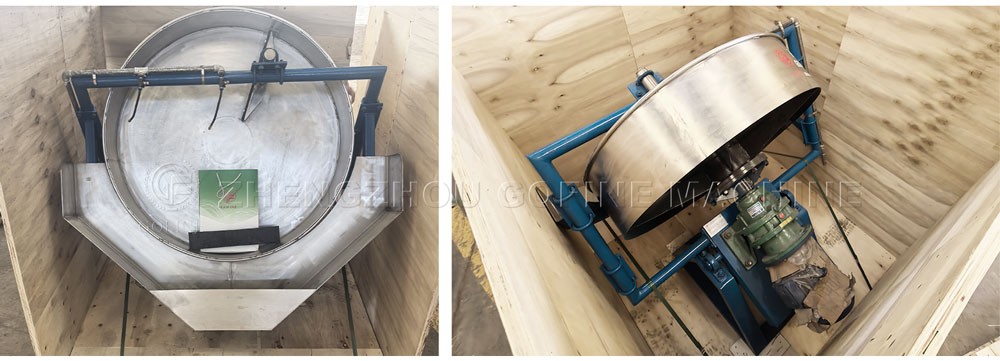
Published on: 2026-11-25A 1-meter (1000 mm) stainless steel disc granulator, also called a pan pelletizer, is the small-size ball-making machine that turns loose powder into round, sellable granules on a small budget. Its compact disc, stainless steel surface, and simple controls make it the first machine for small farms, test lines, and buyers making corrosive or high-value materials. This guide explains what it does, why the 1 m size and stainless steel matter, and how to avoid common mistakes.
Why the 1 m Size?
Disc granulators come from 0.5 m up to 6 m. The 1 m model sits at the entry end of the range:
Capacity: about 0.1–0.5 t/h, enough for a small plant, a pilot trial, or a farm processing its own manure.
Motor: around 2.2 kW, so it runs on a normal single- or three-phase supply without a big power upgrade.
Footprint: small; it fits a workshop corner and can be moved or added to a line later.
Cost: far lower than a 2–3 m commercial disc, which suits a first purchase or a small production test.
If your demand grows, you add a larger disc later instead of over-buying now.
Why Choose Stainless Steel Instead of Carbon Steel?
The disc material decides both product cleanliness and machine life. A 304 or 316L stainless steel pan beats plain carbon steel (Q235) in four ways:
Corrosion resistance. NPK mixes, urea, acidic binders, humic acid, and salty or organic-rich material do not rust a stainless surface. Carbon steel rusts, and rust flakes contaminate the fertilizer.
Non-stick finish. Polished stainless rolls cleanly; powder and wet paste slide off instead of building up and crusting on the wall.
Easy to wash between batches. Useful when you switch formulas or make food-grade, bio-organic, or trace-element products.
Longer service life. No rust pitting, so the disc stays true for years with less repair.
Choose stainless steel for corrosive, wet, or high-value material; carbon steel only for dry, non-corrosive, low-cost bulk work.
How It Works in Simple Terms
The machine is an inclined rotating disc with a spray system. Powder feeds onto the tilted pan; the disc tumbles it over and over, while atomized water (or diluted molasses/humic acid binder) is sprayed on. Rolling friction makes fine particles stick together and grow into round balls. A fixed scraper keeps the disc face clean, and granules roll out over the rim. No heat and no high-pressure squeeze — it is gentle wet balling at room temperature.
Key Parameters of the 1 m Model
Item | Typical value |
Disc diameter | 1000 mm (1 m) |
Side wall heigh | ~250 mm |
Rotation speed | ~24–25 r/mim |
Motor powe | ~2.2 kW |
Capacity | 0.1–0.5 t/h |
Inclination angle | 40°–55°, adjustable |
Granule size | 2–4 mm (adjustable) |
Granulation rate | 80–95% |
Start the angle near 45°–50°. Steeper gives smaller balls; shallower gives larger balls. Fine-tune with speed, feed rate, and spray.
What Materials It Handles
Organic: composted chicken/cow/pig manure, vermicompost, biogas residue, humic acid powder.
Compound fertilizer: NPK mixes, urea, ammonium sulfate, superphosphate, potash powder.
Others: trace-element blends, limestone, gypsum, mineral fines, and catalyst carriers.
Keep feed moisture around 15–30%; too wet makes mud, too dry makes dust that will not ball.
Common Problems, Simple Fixes
Problem | Cause | Fix |
No balls, just dust | Too dry; spray weak | Raise moisture to 15–30%; check nozzles |
Balls too big | Angle too shallow; slow feed growth | Steepen angle; cut binder spray |
Balls soft and break | Not enough binder; over-wet | Add light binder; balance moisture |
Material sticks to disc | Carbon crust; poor scraper gap | Clean disc; set scraper 2–3 mm |
Uneven ball size | Uneven feeding | Feed at a steady, even rate |
FAQ
What can a 1 m disc granulator make? Round 2–4 mm fertilizer granules from organic manure, NPK, humic acid, or mineral powder at about 0.1–0.5 t/h.
Why stainless steel? It resists corrosion from acidic or salty material, does not stick, washes easily, and lasts longer than carbon steel.
Is 1 m enough for a small farm? Yes, for on-farm manure processing or a small trial; scale up to a bigger disc only when sales grow.
How do I control granule size? Adjust the disc angle — steeper for smaller balls, shallower for larger — and balance feed, speed, and spray.
Get Your 1 m Stainless Steel Disc Quoted
Tell us your material, daily output, target granule size, and local voltage, and we will confirm the 1 m stainless steel disc model, motor, and price for you.
Related Content
Latest News
- 1m Stainless Steel Disc Granulator: Small Pan Pelletizer Buyer Guide
- Sulphate of Potash Production Line: Simple Equipment Guide
- BB Fertilizer Production Line for Bulk Blend Fertilizer Plant
- 2.8m Heavy Duty Disc Granulator | Organic Fertilizer Manure Pelletizer
- Automatic Fertilizer Packaging Line | Powder & Granule Bagging, Palletizing & Wrapping
- 3t/h Disc Granulation Fertilizer Production Line | Fertilizer Granulation Equipment
- Fertilizer Packaging Machine | Multi Feeding, Single & Double Hopper
- Vertical Fertilizer Chain Crusher (Wannan Motor Driven)