


10 TPH Snow Melt Agent Production Line: 6 Roller Press Granulators in Parallel
Published on: 2026-09-04Deicing salts and chemical snow melt agents (calcium chloride, magnesium chloride, sodium chloride blends) require precise dry compaction. Unlike standard chemical salts, snow melt compounds are highly hygroscopic and corrosive. Introducing water during processing causes material caking, equipment corrosion, and massive energy waste during thermal drying.
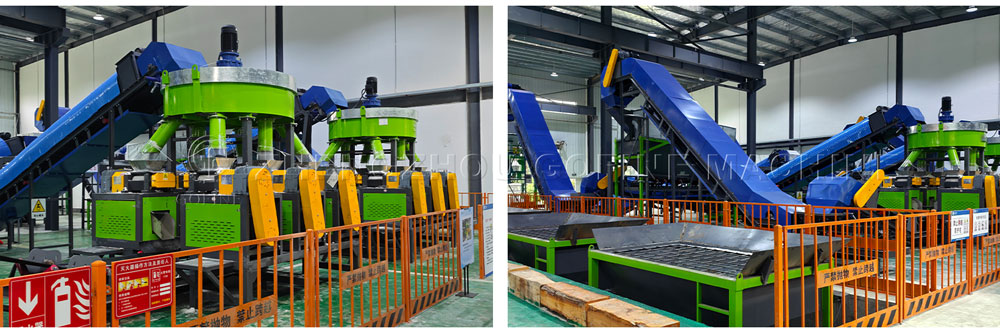
To deliver a high-capacity 10 tons per hour (TPH) snow melt agent production line, engineering a dry compaction system utilizing 6 double roller press granulators operating in parallel provides the most energy-efficient, continuous manufacturing framework available.
Engineering Blueprint: The 6-Unit Parallel Granulation Architecture
Processing 10 TPH of dry chemical deicing powder requires distributed mechanical force rather than a single oversized extrusion unit. A modular, multi-machine layout offers distinct operational advantages:
1. Modular Capacity Flexibility
Configuring 6 double roller extrusion granulators (each rated at 1.8–2.0 TPH) allows factory operators to dynamically scale output from 2 TPH up to 10 TPH based on seasonal winter weather demands.
2. Zero Downtime Maintenance
If one compaction unit requires roller shell maintenance or bearing lubrication, the remaining 5 granulators continue operating at 8.3 TPH capacity, preventing total plant shutdowns during peak snowstorm sales cycles.
3. Uniform Hydraulic Pressure Distribution
Smaller, targeted roller widths across 6 synchronized units apply higher, more consistent mechanical force (Mpa) than a massive single roller, ensuring uniform granule hardness across the entire 10 TPH stream.
Why Dry Roller Extrusion for Deicing Agent Manufacturing?
Chemical snow melt compounds require non-thermal, waterless processing. Dry compaction offers critical performance gains over wet granulating systems:
-
Zero Thermal Drying Required: Eliminates expensive rotary drying drums and coal/gas fuel consumption. Granules form instantly via dry mechanical squeezing.
-
Corrosion Prevention: Moisture accelerates chloride ion reactivity. Dry roller compaction protects elevator buckets, conveyors, and internal hoppers from aggressive salt corrosion.
-
Instant High Density & Crush Strength: Compacted snow melt granules exhibit high crush resistance (>30 N), preventing dust formation during bulk truck loading and mechanical spreader broadcasting.
Key Anti-Corrosion Machinery Configuration for 10 TPH Deicing Lines
Processing harsh chlorides (CaCl₂, MgCl₂, NaCl) demands specialized wear-resistant equipment specifications across the entire production line:
| Processing Section | Machinery Specification | Anti-Corrosion / Durability Upgrade |
| Raw Material Dosing | Dynamic Chemical Loss-in-Weight Feeder | Stainless steel (SUS304/316L) contact liners |
| Dry Powder Blending | Continuous Twin-Shaft Paddle Mixer | High-torque gearbox with wear-resistant alloy blades |
| Primary Compaction | 6 Sets Heavy-Duty Double Roller Press Granulators | High-chromium forged alloy roller sheets with anti-corrosive coating |
| Flake Crushing & Sizing | Integrated Granule Crusher & Vibrating Screen | Dual-deck dust-tight rotary screening unit |
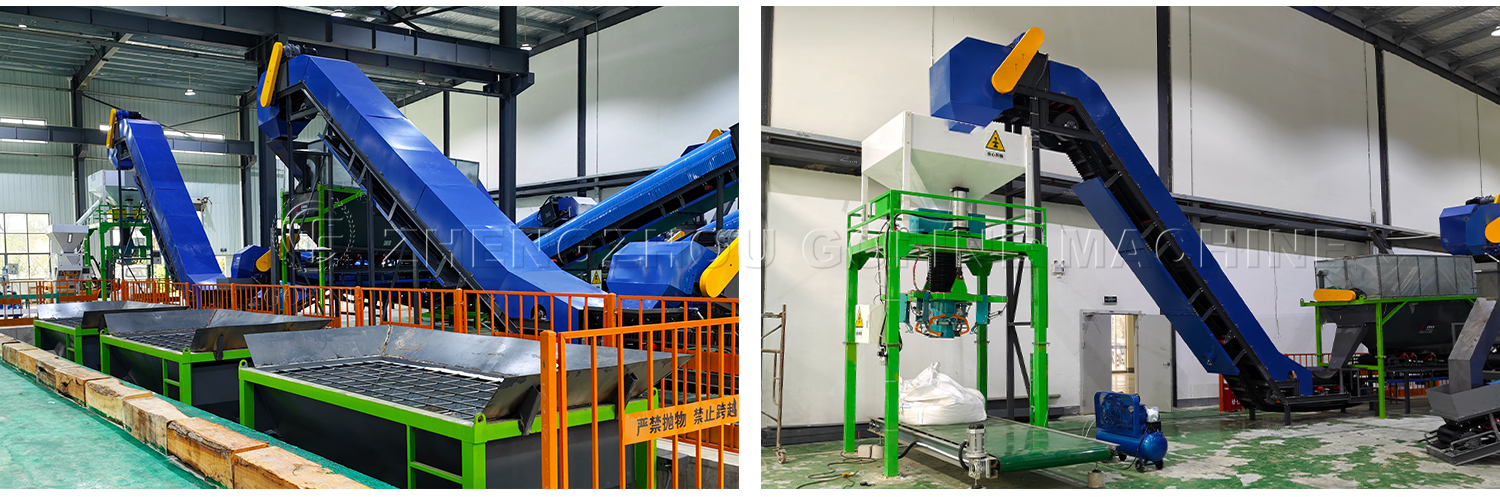
| Automated Packaging | Automatic Corrosion-Proof Bagging Scale | Pneumatic weighing system with sealed electrical cabinet |
Frequently Asked Questions
Q: What is the optimal granule size for chemical snow melt agents?
A: Standard commercial deicing granules are screened to 2.0–6.0 mm. This size range ensures optimum trajectory when spread by highway snowplows and prevents rapid wind displacement.
Q: Why choose 6 smaller roller press granulators instead of 1 large unit for a 10 TPH line?
A: Chloride salts require extreme compaction pressure. Distributed parallel processing across 6 units guarantees uniform pressure application, lowers spare parts replacement costs, and prevents single-point production failure during winter demand surges.
Build Your High-Capacity Deicing Salt Manufacturing Plant
Engineering a reliable 10 TPH snow melt agent production line requires specialized knowledge of chloride compaction, roller alloy metallurgy, and automated material handling.
Contact our technical engineering department today for 6-unit parallel layout drawings, power consumption matrices, and direct factory pricing on our heavy-duty roller press granulator series!
Related Content
Latest News
- Compound Fertilizer Cage Crusher with Screw Feeder | Non-Clogging Crusher
- Fertilizer Granulator Machines: Transforming Compost Powder into Premium Pelleted Fertilizer
- Diesel Semi-Wet Material Crusher: Heavy-Duty Solution for High-Moisture Waste Grinding
- Heavy-Duty 2.5m Disc Granulator for Mineral Fertilizer
- Towed Compost Turner: Heavy-Duty Solution for High-Volume Organic Fertilizer Production
- Stainless Steel Cow Bedding Recovery System: Convert Dairy Manure into Premium Bedding
- Turn Limestone Powder into Premium Mineral Fertilizer: Complete Granulation Production Lines
- How to Make Organo-Mineral Fertilizer from Poultry Manure & Rock Phosphate